
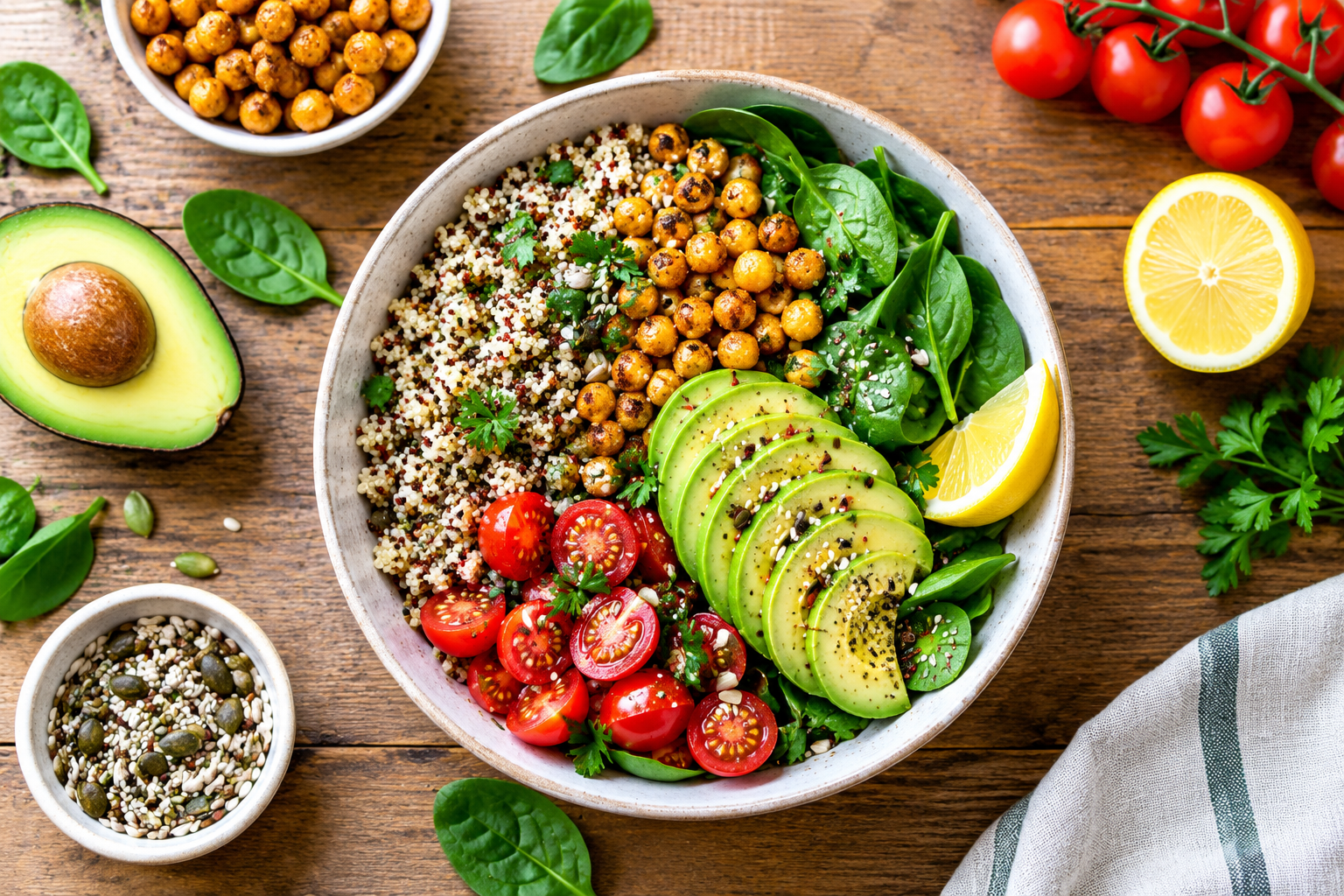
Try a 14-day or 30-day vegan challenge with confidence. Get meal plans, shopping lists, nutrition tips, recipes, and answers to every beginner question
If you have ever wondered what would happen if you ate only plants for a couple of weeks, you are in the right place. A vegan challenge is one of the simplest, lowest-risk ways to find out how a plant-based lifestyle feels in your own body, your own kitchen, and your own life. There is no lifelong vow, no perfection test, and no pressure to label yourself. There is just a clear start date, a clear end date, and a chance to learn something new about food.
The big question most people ask before they begin is this: should I try a 14-day vegan challenge or a 30-day vegan challenge? Both are popular. Both work. And the right one for you depends on your goals, your schedule, your current eating habits, and how much support you have around you. This guide will help you make that decision, then walk you through every step of the process: preparation, nutrition, shopping, day-by-day meal plans, recipes, social situations, troubleshooting, tracking, and what to do when the challenge ends.
Whether you are curious about the health benefits of a vegan diet, hoping to lose weight, wanting to reduce your environmental footprint, motivated by animal welfare, or just looking to add more vegetables to your plate, this guide is designed to give you a realistic, evidence-informed, and genuinely enjoyable path forward.
Important note: This article is for general education and is not medical advice. If you are pregnant, breastfeeding, managing a medical condition, taking prescription medication, have a history of disordered eating, or are planning to feed a child a vegan diet, please speak with a physician or registered dietitian before you begin.
Table of Contents
- What Is a Vegan Challenge?
- 14-Day vs. 30-Day Vegan Challenge: Which Should You Choose?
- Potential Benefits of a Vegan Challenge
- Possible Risks and Who Should Talk to a Professional First
- How to Prepare for Your Vegan Challenge (The Pre-Challenge Week)
- Vegan Nutrition Essentials: What Your Body Needs
- How to Build a Balanced Vegan Plate
- The Ultimate Vegan Challenge Pantry and Shopping List
- The 14-Day Vegan Challenge Meal Plan
- The 30-Day Vegan Challenge Meal Plan (Days 15–30)
- 15 Easy Vegan Recipes for Your Challenge
- Essential Kitchen Tools and Techniques for Vegan Beginners
- Eating Out, Travel, Holidays, and Social Situations
- Cravings, Energy Dips, Digestion, and Other Common Struggles
- Vegan Challenge for Weight Loss, Athletes, and Tight Budgets
- Common Vegan Challenge Mistakes (and How to Avoid Them)
- Vegan Diet Myths, Debunked
- How to Track Your Progress and Measure Results
- What to Do After Your Vegan Challenge Ends
- The Ethical and Environmental Side of Going Vegan
- Doing the Vegan Challenge with Family, Partners, or Roommates
- Hidden Animal Ingredients: A Quick Reference Cheat Sheet
- 25 Quick Vegan Meals in 15 Minutes or Less
- Vegan Challenge Variations: Find the Format That Fits Your Life
- Week-by-Week Shopping Guide for the 30-Day Vegan Challenge
- 30 Daily Motivation and Micro-Habit Tips for Your Vegan Challenge
- Vegan Challenge Checklist: Before, During, and After
- Frequently Asked Questions About the Vegan Challenge
- Final Thoughts: Your First Step Starts Today
What Is a Vegan Challenge?
A vegan challenge is a time-limited commitment to eating a fully plant-based diet. For the length of the challenge, you avoid all animal-derived foods, which means no meat, poultry, fish, or seafood; no dairy products such as milk, cheese, butter, yogurt, and cream; no eggs; and no honey or other animal-derived ingredients such as gelatin, casein, whey, and certain food colorings like carmine.
Instead, your meals are built around foods that come from plants: vegetables, fruits, legumes such as beans, lentils, and chickpeas, whole grains, nuts, seeds, soy foods such as tofu and tempeh, herbs, spices, and plant-based alternatives like oat milk or vegan cheese.
Vegan vs. Vegetarian vs. Plant-Based: What Is the Difference?
These terms get used interchangeably, but they are not identical, and understanding the differences will help you set the right rules for your challenge.
Vegetarian diets exclude meat, poultry, and fish, but many vegetarians still eat dairy and eggs. There are several sub-types, including lacto-vegetarian (dairy but no eggs), ovo-vegetarian (eggs but no dairy), and lacto-ovo vegetarian (both).
Vegan diets exclude all animal products. Strictly speaking, veganism is also a philosophy and lifestyle that seeks to avoid animal exploitation in clothing, cosmetics, and other areas, not just food. During a food-focused vegan challenge, however, most participants concentrate on what they eat.
Plant-based is a broader and more flexible term. Some people use it as a synonym for vegan. Others use it to describe a diet that is centered on plants but may still include small amounts of animal products. A “whole-food plant-based” diet, for example, emphasizes minimally processed plant foods and often limits added oils, refined sugar, and heavily processed vegan products.
For your challenge, decide in advance which definition you are following. The clearest and most beginner-friendly rule is simple: no animal products at all for the full duration of the challenge. Deciding this before you start removes daily decision fatigue and makes it far easier to stay on track.
Why Are Vegan Challenges So Popular?
Vegan challenges have surged in popularity for several reasons. First, they lower the barrier to entry. Committing to “forever” feels overwhelming, but committing to two weeks or a month feels doable. Second, they give you a clear frame to experiment. You are not asking, “Should I become vegan?” You are asking, “What will I learn in 14 days?” Third, structured challenges usually come with community support, recipes, and accountability, which improve your odds of success. And finally, the growing range of vegan groceries, restaurant options, and online resources has made plant-based eating more convenient than at any point in history.
What a Vegan Challenge Is Not
It is worth clearing up a few myths right away.
A vegan challenge is not a crash diet. You should not be starving yourself, eliminating entire food groups without replacement, or chasing extreme weight loss. Done well, a vegan challenge should leave you well fed, satisfied, and energized.
A vegan challenge is not automatically healthy. French fries, soda, and many cookies are technically vegan. If your challenge consists of refined carbohydrates and packaged snacks, you may feel worse rather than better. The quality of your plant-based food matters enormously.
A vegan challenge is not a test of willpower. It is a skills-building exercise. Success has more to do with planning, preparation, and having enough delicious food available than with gritting your teeth.
14-Day vs30-Day Vegan Challenge: Which Should You Choose?
This is the decision that shapes everything else, so it deserves a careful look. Neither option is “better” in an absolute sense. Each has distinct strengths, and the right choice depends on who you are and what you want from the experience.
The 14-Day Vegan Challenge: A Focused Sprint
A 14-day vegan challenge, sometimes called a two-week vegan challenge, is the ideal starting point for most beginners. It is long enough to establish new habits, try a wide variety of meals, and notice how your body responds, yet short enough that it feels manageable even if you are busy or nervous.
Pros of the 14-day challenge:
- Lower psychological barrier, which makes it easier to say yes and to follow through.
- Enough time to cycle through two full weeks of meals, so you can repeat your favorites and discover what you enjoy.
- Easier to plan around work travel, holidays, or social events.
- Less risk of feeling overwhelmed by cooking, shopping, and label-reading.
- A good “test drive” before deciding whether to extend to 30 days or longer.
Cons of the 14-day challenge:
- Some effects, such as changes in taste preferences, digestive adaptation to higher fiber, and habit formation, may still be developing when the challenge ends.
- You may finish just as you are hitting your stride.
- Short-term changes in body weight or energy may reflect water and food volume shifts as much as long-term fat loss.
Best for: first-timers, people with busy schedules, anyone who feels anxious about a big change, families trying it together, and people who want a short reset before a holiday or event.
The 30-Day Vegan Challenge: A Deeper Immersion
A 30-day vegan challenge, often called a one-month vegan challenge, gives you more time to adapt. Research on habit formation suggests that new behaviors often take several weeks, and sometimes months, to become automatic, and the exact timeline varies widely from person to person. A month gives you space to move beyond the awkward learning curve into a routine that feels natural.
Pros of the 30-day challenge:
- More time for your digestive system and gut microbiome to adjust to higher fiber intake.
- A better chance for new recipes, shopping habits, and routines to become second nature.
- Enough time to notice trends in energy, sleep, digestion, mood, and fitness performance.
- More opportunities to handle real-life scenarios, such as dinner invitations, workplace lunches, and weekend travel.
- A stronger sense of accomplishment.
Cons of the 30-day challenge:
- Higher chance of hitting a “motivation wall” in the middle weeks.
- Greater need for careful nutrition planning, especially for vitamin B12, iron, iodine, vitamin D, and omega-3 fats.
- Requires more meal variety to avoid boredom.
- More likely to overlap with a social event, business trip, or holiday.
Best for: people who already eat plenty of plants, those with strong motivation, anyone wanting to build lasting habits, and people who want a more meaningful test of how a vegan diet feels over time.
Side-by-Side Comparison
| Feature | 14-Day Vegan Challenge | 30-Day Vegan Challenge |
|---|---|---|
| Difficulty for beginners | Easier | Moderate |
| Time to build habits | Early stage | More established |
| Nutrition planning needed | Basic | More detailed |
| Best for | First-timers and busy people | Committed or motivated people |
| Risk of burnout | Low | Moderate |
| Chance to notice lifestyle changes | Some | More |
| Flexibility around events | High | Lower |
| Sense of achievement | Good | Excellent |
A Smart Hybrid Approach: Start with 14, Extend to 30
If you are still undecided, use the “14 plus 16” strategy. Commit to 14 days. On day 12 or 13, check in with yourself. Are you feeling good? Are you enjoying the food? Is it manageable? If yes, simply keep going to day 30. If not, finish at day 14 and reflect on what you learned. This approach gives you a guaranteed win and an easy runway to extend, without the pressure of a long-term commitment from day one.
Quick Decision Guide
Ask yourself these five questions:
- Have I eaten mostly plant-based meals before? If yes, consider 30 days. If no, start with 14.
- Do I have a major event, trip, or stressful period in the next month? If yes, choose 14 days.
- Do I cook at home regularly? If yes, 30 days is realistic. If not, 14 days lets you build skills gradually.
- What is my main goal? If it is curiosity or trying something new, 14 days is enough. If it is habit change or a deeper health experiment, 30 days is better.
- Do I have support? Doing the challenge with a partner, friend, or online community boosts your odds of success for either length.
Whichever you choose, the rest of this guide covers both. The 14-day plan appears in full, and the 30-day plan continues from day 15 to day 30 with fresh ideas so you never feel stuck in a rut.
Potential Benefits of a Vegan Challenge
People try vegan challenges for many reasons, and the outcomes vary widely. Below is an honest look at what research suggests about well-planned plant-based diets, along with realistic expectations for a two-week or one-month timeframe. It is important to remember that individual results differ, and that most large studies observe people over years, not weeks.
1. Higher Fiber Intake and Digestive Changes
Fiber is found only in plant foods. Most adults in many countries fall short of the recommended daily amounts, which are commonly cited at about 25 grams per day for women and 38 grams per day for men. A varied vegan diet built on whole grains, legumes, fruits, vegetables, nuts, and seeds can easily reach or exceed those targets.
More fiber is generally linked to better bowel regularity, improved satiety, and support for a healthy gut microbiome. During the first several days, some people experience gas or bloating as their gut bacteria adjust. This usually eases as your body adapts, which is why we recommend increasing legumes and cruciferous vegetables gradually and drinking plenty of water.
2. Heart Health Markers
Large observational studies and reviews have associated well-planned vegetarian and vegan dietary patterns with lower average LDL cholesterol and lower blood pressure compared with typical Western diets. Plant-based diets tend to be lower in saturated fat, contain no dietary cholesterol, and are rich in fiber, potassium, magnesium, and beneficial plant compounds.
Some small clinical trials have shown measurable changes in cholesterol and blood pressure within just a few weeks of dietary change, though results vary and depend heavily on what people eat in place of animal foods. If you have high blood pressure, high cholesterol, or take medication for either, speak with your doctor before changing your diet, because your medication needs may change.
3. Weight Management
Many people who switch to a whole-food plant-based diet naturally eat fewer calories without counting them, thanks to the high water and fiber content of plant foods, which promotes fullness. Several studies and meta-analyses have found that people following vegetarian and vegan diets tend to have lower average body mass index than non-vegetarians, and that vegan diets can lead to modest weight loss in clinical trials.
That said, weight outcomes depend on the overall quality and quantity of food. A vegan diet heavy in refined snacks, sweetened drinks, and oversized portions will not necessarily produce weight loss. In a short challenge, any early scale changes may include water weight, so focus on how you feel and on habits rather than the number alone.
4. Blood Sugar Support
Diets rich in whole grains, legumes, vegetables, and fruit tend to have a lower glycemic impact than those heavy in refined carbohydrates. Some research suggests that plant-based diets are associated with improved insulin sensitivity and a lower risk of developing type 2 diabetes. If you manage diabetes or take glucose-lowering medication, work closely with your healthcare provider, because changing your diet can change your medication requirements.
5. More Vegetables, Fruits, and Phytonutrients
Many people discover that a vegan challenge forces them to eat more colorful produce than ever before. Vegetables and fruits supply vitamins, minerals, and thousands of phytonutrients, such as flavonoids, carotenoids, and polyphenols, that are being studied for their roles in long-term health. Simply expanding your variety is one of the most reliably beneficial changes you can make.
6. Increased Kitchen Confidence and Food Curiosity
One benefit that rarely makes headlines but matters enormously is skill-building. A vegan challenge pushes you to try new ingredients, learn new cooking techniques, read labels, and experiment with global cuisines. Many people finish their challenge as more confident, creative home cooks, and that skill stays with them regardless of whether they stay vegan.
7. Environmental Impact
Research on food systems generally finds that plant-based foods have a lower greenhouse gas footprint, use less land, and require less water per calorie and per gram of protein than most animal-based foods, with beef and lamb typically showing the highest impacts. Even a temporary challenge reduces your personal food-related footprint during that time, and it may inspire longer-lasting changes such as “Meatless Mondays” or a mostly plant-based routine.
8. Alignment with Personal Values
For many participants, the strongest motivator is ethical. Concern for animal welfare, or a desire to align daily habits with personal values, can make a challenge feel meaningful rather than restrictive. Research on motivation suggests that people driven by personal values often find it easier to stick with behavior changes than those driven solely by external pressure.
What Results Can You Realistically Expect in 14 or 30 Days?
Here is a grounded, non-hype summary:
- Days 1–3: You may feel curious, a little hungry, or unsure what to eat. This is the learning curve.
- Days 4–7: Digestion may adjust. Some people notice more energy; others notice temporary bloating or cravings.
- Days 8–14: Meals begin to feel more routine. Many people report improved digestion and steady energy, though experiences vary.
- Days 15–30: Habits solidify, cooking becomes faster, and you can better evaluate how the diet suits your body, lifestyle, and preferences.
Remember that these are general patterns, not guarantees. If you ever feel unwell, dizzy, unusually fatigued, or notice any concerning symptoms, pause and consult a healthcare professional.
Possible Risks and Who Should Talk to a Professional First
A responsible guide is honest about risks. The good news is that major professional organizations, including the Academy of Nutrition and Dietetics, have stated that appropriately planned vegetarian and vegan diets can be nutritionally adequate and suitable for all stages of life. The key phrase is “appropriately planned.” Poorly planned vegan diets can lead to nutrient shortfalls.
Nutrients That Need Attention
Even during a short challenge, it is smart to understand which nutrients are most at risk on a vegan diet:
- Vitamin B12: Not reliably found in unfortified plant foods. Supplements or fortified foods are essential for anyone eating vegan beyond a short period, and are wise even during a challenge.
- Iron: Plant iron (non-heme) is absorbed less efficiently than iron from meat, though pairing it with vitamin C helps.
- Zinc: Phytates in grains and legumes can reduce absorption; soaking, sprouting, and fermenting can help.
- Iodine: Found mainly in iodized salt, seaweed (in variable amounts), and dairy or fish in non-vegan diets.
- Calcium: Available from fortified plant milks, tofu set with calcium, certain leafy greens, and fortified foods.
- Vitamin D: Depends on sun exposure and supplementation for many people, whatever their diet.
- Omega-3 fatty acids (EPA and DHA): The plant form (ALA) converts to EPA and DHA inefficiently; algae-based supplements are an option.
- Protein and total calories: Easy to meet when planned, but under-eating is a common beginner mistake.
We cover each of these in detail in the nutrition section below.
Who Should Speak with a Doctor or Registered Dietitian First?
Please check in with a qualified professional before starting if any of the following apply:
- You are pregnant, trying to conceive, or breastfeeding.
- You are planning a vegan diet for an infant, child, or teenager.
- You have a chronic condition such as diabetes, kidney disease, thyroid disease, or an autoimmune disorder.
- You take prescription medications, especially blood thinners, blood pressure medication, or diabetes medication.
- You have a history of eating disorders or disordered eating. Restrictive dietary rules can be triggering for some people.
- You have known anemia, low iron stores, or other nutrient deficiencies.
- You have digestive conditions such as irritable bowel syndrome, inflammatory bowel disease, or celiac disease, because sudden high-fiber changes may need a tailored approach.
- You are an older adult with a reduced appetite or higher protein needs.
Warning Signs to Watch
Stop and seek medical advice if you experience persistent dizziness, fainting, heart palpitations, severe fatigue, numbness or tingling, unusual hair loss, a rapid or unexplained drop in weight, or any symptom that worries you. Most people who plan carefully will not encounter these, but it is always better to check.
The Bottom Line on Safety
For most healthy adults, a well-planned 14-day or 30-day vegan challenge is considered low risk, provided you eat enough total food, include a reliable source of vitamin B12, and pay attention to the key nutrients above. Planning is your protection.
How to Prepare for Your Vegan Challenge (The Pre-Challenge Week)
The single biggest predictor of vegan challenge success is not willpower. It is preparation. People who spend even a few hours getting ready are dramatically more likely to enjoy the process and finish strong. Use the week before your start date to work through the steps below.
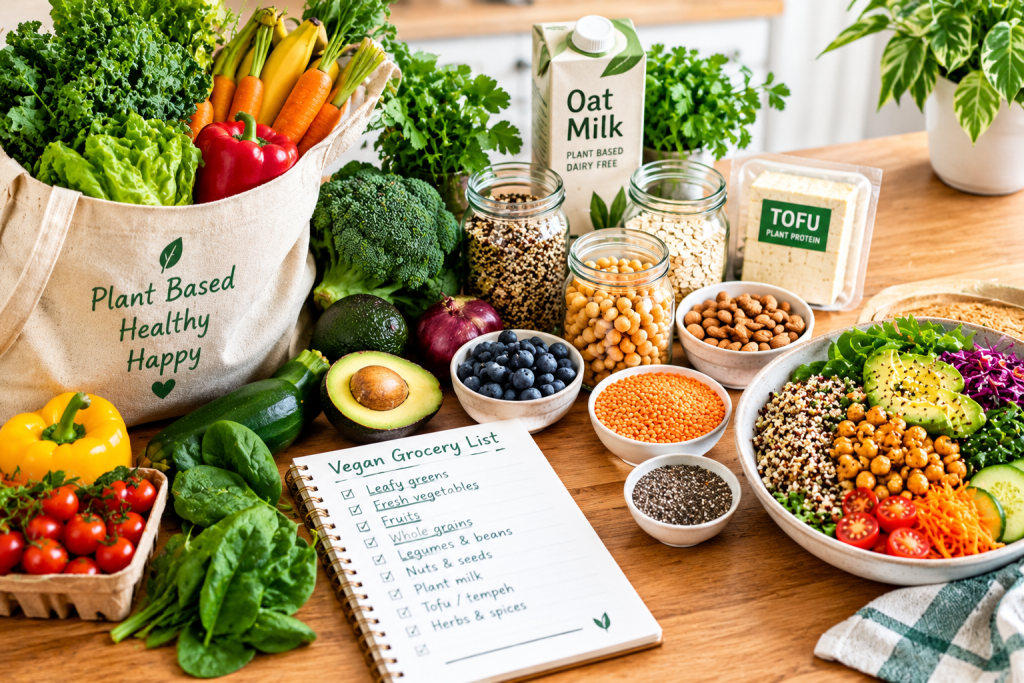
Step 1: Define Your “Why”
Take five minutes to write down why you want to do this challenge. Be specific. “To feel better” is a start, but “to see whether eating more plants improves my digestion and afternoon energy” is much stronger. Your “why” becomes your anchor on the days when a pizza commercial or a colleague’s birthday cake tests your resolve.
Common motivations include:
- Curiosity about health and energy.
- Weight management or improved eating habits.
- Concern for animals.
- Environmental values.
- Wanting to cook more at home.
- Supporting a friend, partner, or family member.
- Trying a new challenge to break out of a food rut.
Write your “why” on a sticky note and put it on your fridge or set it as your phone wallpaper.
Step 2: Choose Your Length and Start Date
Choose 14 or 30 days, then pick a start date. Avoid starting during a week that includes a wedding, major holiday, business trip, or big deadline. A calm Monday or a low-key weekend is ideal. Mark the end date on your calendar so the finish line is visible.
Step 3: Take a Baseline
Before you change anything, capture a snapshot. This makes the results of your challenge far more meaningful and turns your experience into real data instead of vague impressions. Consider recording:
- Energy levels morning, afternoon, and evening on a 1 to 10 scale.
- Digestion: regularity, bloating, comfort.
- Sleep quality: hours and how rested you feel.
- Mood and stress.
- Cravings and hunger patterns.
- Body measurements if you want them, such as weight or waist circumference. These are optional, and you can skip them if numbers are stressful for you.
- Workout performance if you are active.
- Any lab results you already have from a recent doctor visit, such as cholesterol, blood glucose, or iron levels. If you and your healthcare provider agree it is appropriate, you may consider follow-up testing after your challenge.
A simple notebook, a spreadsheet, or a digital wellness tracker will do the job. Consistent tracking is what turns “I think I feel better” into “here is what actually changed.”
Step 4: Do a Kitchen Audit
Open your fridge, freezer, and pantry. Read labels. Identify anything that contains animal products, including hidden ones. Common surprises include:
- Gelatin in gummy candies, marshmallows, and some yogurts.
- Whey and casein in protein bars, bread, and crackers.
- Honey in granola, sauces, and some breads.
- Fish sauce and anchovies in Caesar dressing, Worcestershire sauce, and some curry pastes.
- Lard or tallow in some tortillas, pie crusts, and refried beans.
- Egg in some pastas, mayonnaise, and baked goods.
- Carmine or cochineal in some red-colored foods and drinks.
- Milk derivatives in “non-dairy” creamers, chocolate, and baked goods.
Decide what you will do with non-vegan items. You can donate unopened items, share them with family, or pack them away for after the challenge. Out of sight really does help.
Step 5: Learn to Read Labels
Get comfortable scanning ingredient lists for these keywords: milk, whey, casein, lactose, butter, cream, egg, albumin, gelatin, honey, beeswax, lard, tallow, anchovy, fish, and “natural flavors” (which can occasionally be animal-derived, though often plant-derived). Look for “Certified Vegan” or similar labels, but remember that lack of a label does not always mean a product is non-vegan. Ingredient lists are your best source of truth.
Step 6: Plan Your Meals Before You Shop
Use the meal plans in this guide, or build your own using a simple template: one hearty breakfast, one easy lunch that can be prepared in bulk, one flexible dinner, and one or two snacks per day. Plan to repeat meals, because repetition reduces decision fatigue. Many successful challengers cook a big batch of grains and beans on Sunday and mix and match all week.
Step 7: Stock Up on Essentials
Use the shopping list later in this guide. Be sure to buy more than you think you need in the first week. Hunger without options is the number one reason people give up.
Step 8: Line Up Your Supplements
At minimum, buy a vitamin B12 supplement before you begin. Consider a vitamin D supplement if you get limited sun, and discuss other supplements with your healthcare provider. More on this in the nutrition section.
Step 9: Tell People
Let your household, close friends, and coworkers know what you are doing. Explain that you are not asking them to change, but that you would appreciate support. You might even invite someone to join you. Accountability partners double your odds of sticking with a goal.
Step 10: Prepare a “Panic Plan”
Every challenger has a moment of weakness. Prepare for it in advance. Keep a stash of vegan emergency snacks such as nuts, fruit, popcorn, hummus, and dark chocolate that is dairy-free. Save three vegan-friendly restaurants near your home and workplace in your phone. Have a go-to quick meal, such as instant oats with fruit, a bean and rice bowl, or peanut butter toast, that you can make in ten minutes.
Step 11: Set Up Your Support System
Join an online community, find a vegan challenge group, or simply text a friend each day. Sharing meals, photos, and struggles makes the process more fun and more sustainable.
Step 12: Decide How You Will Handle Slip-Ups
Perfection is not the goal. Decide ahead of time what you will do if you accidentally eat something non-vegan, such as a hidden ingredient in a restaurant dish. A healthy mindset is: “That was an honest mistake. I learned something. I keep going.” Beating yourself up leads to quitting. Curiosity leads to progress.
Vegan Nutrition Essentials: What Your Body Needs
A vegan challenge works best when you understand the “why” behind each nutrient. This section is the heart of your preparation. You do not need to memorize numbers, but you should know which foods and supplements cover which nutrients. The daily amounts below reflect commonly cited adult recommendations from health authorities; your individual needs may differ based on age, sex, body size, activity level, pregnancy, and health status, so treat them as general guidance and check with a professional for personalized advice.
Protein: Easier Than You Think
Protein is the most common worry among people starting a vegan challenge, and it is usually the easiest to solve. The general recommended dietary allowance for healthy adults is about 0.8 grams of protein per kilogram of body weight per day. That is roughly 55 to 65 grams for many adults. People who are very active, older adults, or those aiming to build muscle often aim higher, in the range of about 1.2 to 2.0 grams per kilogram.
Plant proteins are found in a wide range of foods. Because different plant foods contain different amino acid profiles, eating a variety across the day, including legumes, grains, nuts, seeds, and soy, easily covers your essential amino acids. You do not need to combine specific foods at each meal, a myth that persisted for decades.
Top vegan protein sources (approximate amounts per typical serving):
| Food | Serving | Approx. Protein |
|---|---|---|
| Tempeh | 100 g (3.5 oz) | 18–20 g |
| Seitan (wheat gluten) | 100 g (3.5 oz) | 20–25 g |
| Firm tofu | 100 g (3.5 oz) | 8–15 g, depending on type |
| Lentils, cooked | 1 cup (about 200 g) | 17–18 g |
| Chickpeas, cooked | 1 cup (about 165 g) | 14–15 g |
| Black beans, cooked | 1 cup (about 170 g) | 15 g |
| Edamame, shelled | 1 cup (about 155 g) | 17–18 g |
| Green peas, cooked | 1 cup | 8–9 g |
| Quinoa, cooked | 1 cup (about 185 g) | 8 g |
| Oats, dry | 1/2 cup (40 g) | 5 g |
| Peanut butter | 2 tablespoons | 7–8 g |
| Almonds | 1/4 cup (about 35 g) | 7–8 g |
| Pumpkin seeds | 1/4 cup (about 30 g) | 8–9 g |
| Hemp seeds | 3 tablespoons | 9–10 g |
| Soy milk, unsweetened | 1 cup | 7–9 g |
| Whole wheat bread | 1 slice | 3–5 g |
| Nutritional yeast | 2 tablespoons | 5–8 g |
Values are approximate and vary by brand and preparation.
How to hit your protein target: Aim to include a serious protein source at each meal, such as tofu scramble at breakfast, a lentil soup at lunch, and a tempeh or chickpea-based dinner. Add a protein-rich snack, such as roasted edamame, a smoothie with soy milk and peanut butter, or a handful of nuts. Most people find that when they eat enough total calories from whole plant foods, protein largely takes care of itself.
A sample high-protein vegan day (about 80 to 100 grams):
- Breakfast: Tofu scramble with spinach and whole grain toast (about 25 g).
- Lunch: Lentil and vegetable soup with a side of quinoa salad (about 25 g).
- Snack: Soy yogurt with hemp seeds and berries (about 12 g).
- Dinner: Tempeh stir-fry with brown rice and broccoli (about 30 g).
Vitamin B12: The Non-Negotiable
If there is one nutrient to take seriously during a vegan challenge, it is vitamin B12. This vitamin is made by microorganisms, not by plants or animals themselves, and animal products are the primary natural food source for most people. Unfortified plant foods do not provide reliable amounts.
B12 supports nerve function, red blood cell formation, and DNA synthesis. Body stores can last for a while, often months to years, which is why deficiency does not appear overnight, but that is exactly why people forget about it until problems appear. During a 14-day or 30-day challenge, stores will likely cover you, but building the habit is wise, and it is essential if you continue vegan eating beyond the challenge.
Common recommendations for vegans (confirm with your healthcare provider):
- A daily supplement providing at least 10 micrograms, or
- A weekly supplement providing around 2,000 micrograms, or
- Regular intake of B12-fortified foods that adds up to a similar level.
Fortified foods that often contain B12 include some plant milks, breakfast cereals, nutritional yeast (check the label for “fortified”), and certain meat alternatives. Because the amount varies widely, many people prefer a straightforward supplement. Look for cyanocobalamin or methylcobalamin; both are widely used, and cyanocobalamin has the longest track record of research.
Iron: Absorption Is Everything
Iron carries oxygen in your blood and supports energy and cognitive function. Plants provide non-heme iron, which is absorbed less efficiently than heme iron from meat. For that reason, recommended intakes for vegetarians and vegans are sometimes set higher than for meat-eaters. For general reference, adult men and postmenopausal women need about 8 milligrams per day, while premenopausal women need about 18 milligrams per day, with an even higher amount during pregnancy.
Plant sources of iron:
- Lentils, chickpeas, kidney beans, and black beans
- Tofu and tempeh
- Pumpkin seeds, sesame seeds, and hemp seeds
- Quinoa, oats, and fortified cereals
- Spinach, Swiss chard, and kale (though spinach’s iron is less well absorbed due to oxalates)
- Blackstrap molasses (a small amount goes a long way)
- Dried apricots, raisins, and prunes
How to boost absorption:
- Pair iron-rich foods with vitamin C. Add lemon juice to lentil soup, bell peppers to tofu scramble, or orange slices alongside a bean salad. Vitamin C can substantially increase non-heme iron absorption.
- Separate coffee and tea from iron-rich meals. Tannins and polyphenols in coffee and tea can reduce iron absorption. Try to have them between meals, or at least an hour before or after.
- Soak, sprout, or ferment legumes and grains. These techniques reduce phytates that bind iron and zinc.
- Cook in cast iron. Cooking acidic foods, like tomato sauce, in cast iron cookware can add small amounts of iron to food.
Do not start iron supplements on your own without medical guidance. Too much iron can be harmful, and some people are prone to iron overload. If you think your iron may be low, ask your doctor for a blood test.
Zinc: A Quiet Essential
Zinc supports immune function, wound healing, and taste perception. Adults generally need about 8 to 11 milligrams per day. Because phytates in whole grains and legumes can reduce zinc absorption, some experts suggest that vegans may need up to 50 percent more than the standard recommendation.
Vegan zinc sources: pumpkin seeds, hemp seeds, cashews, chickpeas, lentils, tofu, tempeh, oats, and fortified cereals. Soaking beans, using sourdough bread, and eating fermented soy foods can improve absorption.
Calcium: Beyond Milk
Adults typically need about 1,000 milligrams of calcium per day, with higher needs for women over 50 and men over 70. Plants can absolutely supply calcium, but you need to be intentional.
Vegan calcium sources:
- Calcium-fortified plant milks (often about 300 mg per cup; check the label)
- Tofu made with calcium sulfate (often 200 to 400 mg per half cup, check the label)
- Kale, bok choy, collard greens, broccoli, and turnip greens, which have good absorbability
- Fortified orange juice
- Almonds, tahini, and sesame seeds
- White beans and chickpeas
- Dried figs
- Calcium-fortified cereals and some breads
Spinach is high in calcium on paper but also high in oxalates, which bind calcium and make it poorly absorbed. Do not rely on spinach for calcium.
Vitamin D: Sunshine and Supplements
Vitamin D supports bone health, immune function, and mood. Very few foods contain significant amounts naturally, and vegan sources are limited to UV-exposed mushrooms and fortified foods, such as some plant milks and cereals. Your body also makes vitamin D when your skin is exposed to sunlight, but the amount depends on latitude, season, skin tone, age, sunscreen use, and time outdoors.
The general adult recommendation is about 600 IU (15 micrograms) daily, and 800 IU for adults over 70, though many healthcare providers recommend different amounts depending on blood levels. Vegan vitamin D3 made from lichen is available for those who avoid lanolin-derived D3, and D2 is a plant-derived option. If you have never had your vitamin D checked, it may be worth asking your doctor, especially if you live in a region with limited winter sunlight or spend most of your time indoors.
Omega-3 Fatty Acids: ALA, EPA, and DHA
Omega-3 fats support brain, eye, and heart health. Plants provide ALA (alpha-linolenic acid), found in flaxseed, chia seeds, hemp seeds, walnuts, and canola oil. Your body can convert some ALA into EPA and DHA, the long-chain forms typically found in fish, but the conversion rate is low, often estimated at a small percentage.
Practical steps:
- Eat a daily serving of ALA-rich foods: for example, one tablespoon of ground flaxseed or chia seeds, or a small handful of walnuts.
- Consider an algae-based DHA/EPA supplement. Algae is where fish get their omega-3s in the first place, and algae oil is a vegan source. Many products provide around 250 to 500 milligrams of combined EPA and DHA per day, but ask your healthcare provider about the right amount for you.
- Grind flaxseeds before eating them. Whole flaxseeds often pass through the digestive tract undigested.
Iodine: The Overlooked Mineral
Iodine is essential for thyroid hormone production. Adults need about 150 micrograms per day, with more needed during pregnancy and breastfeeding. In many countries, iodized salt is a major source. Dairy and fish also contribute in non-vegan diets, which means vegans can be at risk of low iodine if they avoid iodized salt and do not eat seaweed.
Ways to get iodine:
- Use iodized salt in moderation. Check the label, because specialty salts like sea salt, Himalayan salt, and kosher salt are often not iodized.
- Eat small amounts of seaweed, but be careful. Iodine content varies enormously among seaweed types. Kelp can contain very high amounts, sometimes far above safe upper limits, and excess iodine can also harm the thyroid.
- Consider a supplement that provides about 100 to 150 micrograms if your diet does not include an iodine source, and talk to your provider if you have a thyroid condition.
Selenium, Choline, and Other Nutrients to Know
Selenium: Needed for antioxidant defenses and thyroid function. Just one or two Brazil nuts per day can supply the recommended 55 micrograms, but selenium content in Brazil nuts varies, and too much is harmful, so do not eat them in large quantities.
Choline: Important for brain and liver health. Eggs are a major source in typical diets. On a vegan diet, choline comes from soy foods, quinoa, broccoli, Brussels sprouts, peanuts, and other legumes. It is worth including these regularly.
Magnesium and potassium: Usually abundant on a whole-food vegan diet through leafy greens, nuts, seeds, legumes, whole grains, potatoes, bananas, and avocados.
Calories: Do Not Under-Eat
Plant foods tend to be less calorie-dense than animal foods and richer in fiber and water. That is helpful for fullness, but it also means that new vegans can accidentally eat too little. Signs you may be under-eating include constant hunger, low energy, irritability, poor sleep, and difficulty concentrating.
To keep energy up:
- Include energy-dense foods such as nuts, nut butter, seeds, avocado, olive oil, dried fruit, and whole grains.
- Eat regular meals and snacks; do not wait until you are ravenous.
- Do not restrict fat to extremely low levels unless directed by a medical professional.
- Include starchy carbohydrates such as potatoes, sweet potatoes, rice, oats, and bread, which are perfectly at home in a healthy vegan diet.
A Simple Supplement Checklist for Your Challenge
This is a general framework to discuss with your healthcare provider, not a prescription.
| Nutrient | Why it matters | Common approach |
|---|---|---|
| Vitamin B12 | Nerves, blood cells, DNA | Supplement or reliably fortified foods |
| Vitamin D | Bones, immunity | Sun exposure and/or supplement based on your levels |
| Omega-3 (DHA/EPA) | Brain, heart, eyes | Algae-based supplement, plus ALA foods |
| Iodine | Thyroid function | Iodized salt or supplement; be careful with seaweed |
| Iron | Oxygen transport | Food-first with vitamin C; test before supplementing |
| Calcium | Bones and muscles | Fortified foods, tofu, greens |
| Zinc | Immunity, healing | Legumes, seeds, nuts; soak and ferment |
How to Build a Balanced Vegan Plate
Instead of counting every gram, use a simple visual template. It works whether you are on day 2 or day 28.
The 4-Part Vegan Plate Method
- Half the plate: vegetables and fruit. Aim for color and variety: leafy greens, cruciferous vegetables like broccoli and cauliflower, orange and red vegetables like carrots and peppers, and fruits.
- A quarter of the plate: protein-rich foods. Beans, lentils, tofu, tempeh, seitan, edamame, or a protein-rich grain like quinoa.
- A quarter of the plate: whole grains or starchy vegetables. Brown rice, oats, whole wheat pasta, barley, farro, potatoes, or sweet potatoes.
- A healthy fat and flavor booster. A drizzle of olive oil, a spoonful of tahini, a slice of avocado, nuts or seeds, plus herbs, spices, lemon, or a flavorful sauce.
On the side, add a serving of calcium-fortified plant milk or a calcium-rich food each day, and remember your B12 source.
Breakfast Formulas
- Oatmeal formula: rolled oats + fortified soy or oat milk + a fruit + nut butter + ground flax or chia.
- Smoothie formula: leafy greens + banana or frozen fruit + soy milk or fortified plant milk + a scoop of nut butter or plant protein + seeds.
- Savory formula: tofu scramble + sautéed vegetables + whole grain toast + avocado.
- Toast formula: whole grain bread + nut butter or hummus + sliced fruit or vegetables + seeds.
Lunch Formulas
- Buddha bowl: grain + roasted vegetables + legumes + leafy greens + sauce + seeds.
- Soup and sandwich: lentil, split pea, or vegetable soup + hummus and veggie sandwich on whole grain bread.
- Wrap formula: whole wheat tortilla + bean or falafel filling + shredded vegetables + tahini or hummus sauce.
- Big salad formula: greens + beans or tofu + grain + colorful veggies + nuts or seeds + a flavorful dressing.
Dinner Formulas
- Stir-fry: tofu or tempeh + a rainbow of vegetables + garlic, ginger, and a sauce + rice or noodles.
- Curry: chickpeas or lentils + tomatoes or coconut milk + spices + rice or flatbread.
- Pasta: whole grain or legume pasta + tomato or cashew-based sauce + vegetables + white beans or lentil “meat.”
- Tacos and burritos: black beans or lentils + rice + salsa + guacamole + cabbage slaw.
- Sheet-pan meal: roasted vegetables + chickpeas or tofu + a grain + a drizzle of sauce.
Snack Ideas
- Fresh fruit with peanut or almond butter
- Hummus with carrots, cucumbers, or whole grain crackers
- Roasted chickpeas
- A small handful of mixed nuts
- Air-popped popcorn with nutritional yeast
- Energy bites made with dates, oats, and nut butter
- Edamame with sea salt
- Soy yogurt with fruit and seeds
- Whole grain toast with avocado
- Dark chocolate, checked to confirm it does not contain milk
The Ultimate Vegan Challenge Pantry and Shopping List
Setting yourself up with a stocked kitchen is half the battle. Below is a comprehensive list organized by category. You do not need to buy everything at once; choose items that appeal to you, and expand as you go. Buying in bulk and using frozen and canned staples keeps costs manageable.
Whole Grains and Starches
- Rolled oats (old-fashioned and/or quick oats)
- Brown rice, basmati rice, or jasmine rice
- Quinoa
- Whole wheat pasta or legume-based pasta
- Whole grain bread or sprouted bread (check that it is egg- and dairy-free)
- Whole wheat tortillas or corn tortillas
- Barley, farro, or bulgur
- Potatoes and sweet potatoes
- Whole grain crackers or rice cakes
- Couscous or millet (optional)
Legumes and Plant Proteins
- Canned or dried lentils (red, green, brown)
- Canned or dried chickpeas
- Black beans, kidney beans, cannellini beans, pinto beans
- Firm and extra-firm tofu; silken tofu for sauces and desserts
- Tempeh
- Seitan or vital wheat gluten (if you like it)
- Edamame (frozen)
- Plant-based burgers or sausages (occasionally, for convenience)
- Hummus
Fresh Vegetables
- Leafy greens: spinach, kale, arugula, romaine, Swiss chard
- Cruciferous vegetables: broccoli, cauliflower, cabbage, Brussels sprouts
- Carrots, celery, cucumber, bell peppers
- Tomatoes and cherry tomatoes
- Onions, garlic, ginger
- Zucchini, eggplant, mushrooms
- Sweet corn, green beans, asparagus (seasonal)
- Avocados
- Fresh herbs: cilantro, parsley, basil, mint
Frozen Vegetables and Fruit
- Mixed vegetables, broccoli, spinach, cauliflower rice
- Frozen berries, mango, banana, and pineapple for smoothies
- Frozen peas and edamame
Frozen produce is picked at peak ripeness, is often just as nutritious as fresh, keeps for months, and reduces food waste.
Fresh Fruit
- Bananas, apples, oranges, berries, grapes, pears
- Lemons and limes (for flavor and vitamin C)
- Seasonal fruit of your choice
Nuts, Seeds, and Nut Butters
- Almonds, walnuts, cashews, pistachios
- Peanut butter, almond butter
- Chia seeds, ground flaxseed, hemp seeds
- Pumpkin seeds, sunflower seeds, sesame seeds
- Tahini
Plant-Based Milks and Dairy Alternatives
- Fortified soy milk (highest in protein among common plant milks)
- Fortified oat, almond, or pea milk
- Unsweetened soy or coconut yogurt
- Vegan butter or olive oil
- Vegan cheese (optional; some are highly processed)
- Nutritional yeast (fortified, if possible)
Canned and Jarred Goods
- Diced tomatoes, tomato paste, passata
- Coconut milk (full-fat and light)
- Vegetable broth or bouillon (check for animal ingredients)
- Salsa, marinara sauce (check for cheese or meat)
- Olives, capers, artichokes, roasted red peppers
- Pickles and sauerkraut
Oils, Condiments, and Flavor Boosters
- Extra-virgin olive oil, avocado oil, or a neutral cooking oil
- Soy sauce, tamari, or coconut aminos
- Rice vinegar, apple cider vinegar, balsamic vinegar
- Maple syrup or agave (many vegans avoid honey)
- Dijon mustard, vegan mayo
- Miso paste (refrigerated)
- Sriracha or other hot sauce (check labels)
- Curry paste (check for shrimp paste)
- Tahini and peanut butter for sauces
Spices and Seasonings
- Iodized salt, black pepper
- Cumin, coriander, turmeric, paprika, smoked paprika, chili powder
- Garlic powder, onion powder
- Oregano, thyme, rosemary, basil
- Cinnamon, nutmeg, ginger
- Curry powder, garam masala
- Red pepper flakes
- Nutritional yeast and kala namak (black salt, for an “eggy” flavor in tofu scramble)
Sweets and Treats
- Dark chocolate (70 percent or higher, dairy-free)
- Dates and dried fruit
- Cacao powder, vanilla extract
- Baking essentials: whole wheat flour, baking powder, baking soda
Supplements to Have Ready
- Vitamin B12
- Vitamin D (if recommended for you)
- Algae-based omega-3 (optional)
- Any other supplement suggested by your healthcare provider
How to Save Money on a Vegan Challenge
Many people assume that vegan eating is expensive, but a diet based on beans, lentils, rice, oats, frozen vegetables, and seasonal produce is often among the most budget-friendly. Here are practical tips:
- Buy dried beans and lentils in bulk. They cost pennies per serving.
- Choose frozen fruits and vegetables. They are affordable, nutritious, and last longer.
- Shop seasonally and locally. Farmers’ markets sometimes offer end-of-day bargains.
- Use store brands for staples such as canned beans, tomatoes, pasta, and oats.
- Limit expensive specialty products such as vegan meats and cheeses, which can cost more than the whole foods they replace.
- Cook large batches of soup, chili, curry, and grains, and freeze portions.
- Grow herbs on a windowsill: basil, mint, and cilantro are easy to keep.
- Plan your meals to avoid impulse purchases and food waste.
- Visit ethnic grocery stores. Indian, Asian, Middle Eastern, and Latin American markets often sell spices, legumes, rice, and vegetables at far lower prices.
Your First Grocery Trip Checklist (Beginner Version)
If the list above feels overwhelming, start with this minimal set for a 14-day challenge for one person:
- 2 lbs (about 1 kg) rolled oats
- 2 lbs brown rice and 1 lb quinoa
- 6 to 8 cans of beans and chickpeas, plus 2 lbs of dried red lentils
- 3 to 4 blocks of tofu and 2 packages of tempeh
- 2 large bags of frozen mixed vegetables and 1 bag of frozen berries
- A rotating selection of fresh produce: greens, carrots, peppers, onions, garlic, bananas, apples
- 2 jars of nut butter, plus a small bag each of chia seeds and ground flaxseed
- Fortified soy or oat milk
- Whole wheat pasta and whole grain bread
- Canned tomatoes, coconut milk, vegetable broth
- Basic spices, soy sauce, olive oil, nutritional yeast
- Vitamin B12 supplement
Adjust quantities to your household size and appetite.
The 14-Day Vegan Challenge Meal Plan
This two-week plan is built for beginners. It uses affordable ingredients, repeats certain components to save time, and gradually introduces new foods so your digestive system can adapt. Recipes marked with an asterisk (*) are included in the recipe section later in this guide.
How to use this plan:
- Portions are up to you. Eat until comfortably satisfied, and add more grains, healthy fats, or snacks if you are still hungry.
- Swap any meal with another from the plan if it suits your schedule.
- Cook once, eat twice. Many dinners are designed to provide lunch the next day.
- Take your vitamin B12 supplement every day (or on the schedule your healthcare provider recommends).
- Drink water throughout the day, particularly as your fiber intake rises.
Week One: Building Your Foundation
The goal of week one is simplicity. Focus on familiar flavors, keep the cooking easy, and get comfortable reading labels and shopping. You do not need to be creative yet.
Day 1: A Gentle Start
- Breakfast: Overnight Oats with Chia and Berries* made with fortified soy milk. Prepare it the night before.
- Lunch: Hummus and vegetable wrap with a big handful of greens, shredded carrots, cucumber, and a side of fruit.
- Dinner: Black Bean and Sweet Potato Tacos* with avocado and lime.
- Snack: Apple slices with peanut butter.
- Today’s focus: Take your baseline notes, start your B12 habit, and celebrate finishing day one. Do not worry about being perfect, and do not skip meals. Eating enough is your first job.
Day 2: Warm and Filling
- Breakfast: Peanut butter and banana toast on whole grain bread, plus a glass of fortified soy milk.
- Lunch: Leftover black bean and sweet potato taco filling over brown rice with salsa and spinach.
- Dinner: Creamy Red Lentil Dal* with basmati rice and steamed broccoli.
- Snack: A handful of almonds and a piece of fruit.
- Today’s focus: Notice how you feel after meals. Are you satisfied? Add more legumes, grains, or nuts if you feel hungry an hour later.
Day 3: Batch Cooking Day
- Breakfast: Fluffy Tofu Scramble* with sautéed peppers and whole grain toast.
- Lunch: Leftover red lentil dal with a side salad dressed with lemon and olive oil.
- Dinner: Tempeh Stir-Fry with Ginger-Garlic Sauce* over brown rice.
- Snack: Roasted chickpeas or air-popped popcorn.
- Today’s focus: Cook a big pot of grains, such as brown rice or quinoa, and a tray of roasted vegetables for the next few days. This is the “prep once, eat all week” habit that separates successful challengers from those who struggle.
Day 4: Adapting to Fiber
- Breakfast: Green Power Smoothie* with spinach, banana, soy milk, and peanut butter.
- Lunch: Chickpea “Tuna” Salad Sandwich* on whole grain bread with lettuce and tomato.
- Dinner: Whole wheat pasta with marinara, white beans, and sautéed spinach.
- Snack: Soy yogurt with berries and pumpkin seeds.
- Today’s focus: Some people feel a little gassy around now. Drink water, go for a walk after meals, and chew slowly. Your gut bacteria are adjusting, and this typically settles down.
Day 5: Bowl Day
- Breakfast: Warm oatmeal with cinnamon, sliced banana, walnuts, and a spoonful of ground flaxseed.
- Lunch: Rainbow Buddha Bowl with Tahini Dressing* using your prepped grains and roasted vegetables.
- Dinner: One-Pot Vegan Chili* with a slice of cornbread (made without dairy or eggs) or a side of rice.
- Snack: Carrot sticks with hummus.
- Today’s focus: Try a new vegetable today. Variety builds nutrition, and it keeps meals interesting.
Day 6: Weekend Comfort
- Breakfast: Whole grain pancakes made with soy milk and mashed banana, topped with berries and maple syrup.
- Lunch: Leftover chili over baked potato with avocado.
- Dinner: Coconut Chickpea Curry* with basmati rice and a side of sautéed greens.
- Snack: Chocolate Peanut Butter Energy Bites*.
- Today’s focus: Treat yourself to something delicious. A vegan challenge should never feel like deprivation. Enjoy food that makes you happy.
Day 7: Reflection and Reset
- Breakfast: Tofu scramble burrito with black beans, salsa, and avocado.
- Lunch: Big salad with mixed greens, chickpeas, cucumber, tomatoes, quinoa, pumpkin seeds, and lemon-tahini dressing.
- Dinner: Peanut Noodle Bowl* with edamame, shredded cabbage, and carrots.
- Snack: A piece of fruit and a small handful of cashews.
- Today’s focus: Do your first weekly review. Compare your energy, digestion, mood, and cravings with your baseline. Write down your three favorite meals so far. Refill your groceries for week two.
Week Two: Growing Confidence
Now that you know the basics, week two adds a little more variety, introduces new proteins and flavors, and gets you cooking with more confidence. You may notice your cravings changing as your taste buds adapt.
Day 8: New Flavors
- Breakfast: Overnight oats with peanut butter, banana, and cinnamon.
- Lunch: Lentil soup (use leftover lentils or make a simple batch with carrots, celery, onion, and cumin) with whole grain bread.
- Dinner: Lentil Bolognese* over whole wheat spaghetti with a side salad.
- Snack: Edamame with sea salt.
- Today’s focus: Try adding nutritional yeast to your pasta or popcorn for a cheesy, savory flavor and a B-vitamin boost (if fortified).
Day 9: Global Inspiration
- Breakfast: Smoothie bowl with frozen berries, banana, soy milk, and topped with granola, chia seeds, and coconut flakes.
- Lunch: Falafel wrap with hummus, cucumber-tomato salad, and pickled onions (bake the falafel at home or buy vegan falafel).
- Dinner: Vegetable pad Thai style rice noodles with tofu, bean sprouts, crushed peanuts, and lime.
- Snack: Dates stuffed with almond butter.
- Today’s focus: Explore different cuisines. Indian, Thai, Ethiopian, Mexican, Middle Eastern, and Mediterranean cuisines all offer naturally vegan dishes that are full of flavor.
Day 10: Comfort Food, Vegan Style
- Breakfast: Whole grain toast with mashed avocado, cherry tomatoes, and hemp seeds.
- Lunch: Leftover pad Thai or a big bowl of tomato soup with a chickpea and vegetable side salad.
- Dinner: Vegan shepherd’s pie made with a lentil and mushroom filling topped with mashed potatoes (made with olive oil and plant milk).
- Snack: Soy yogurt parfait with fruit and nuts.
- Today’s focus: Prove to yourself that comfort food does not need meat or dairy. Rich, hearty vegan meals are easy to make.
Day 11: Halfway Through and Feeling Good
- Breakfast: Fluffy tofu scramble with spinach and mushrooms.
- Lunch: Rainbow Buddha Bowl with a different sauce, such as peanut-lime, for variety.
- Dinner: Stuffed bell peppers filled with rice, black beans, corn, and spices, topped with salsa and avocado.
- Snack: Fresh fruit and a small handful of walnuts.
- Today’s focus: Check your energy and mood. Many people notice more stable energy by now, though experiences vary. If you feel tired, consider whether you are eating enough calories and whether your B12 supplement routine is on track.
Day 12: Simple and Satisfying
- Breakfast: Oatmeal with apple, cinnamon, walnuts, and maple syrup.
- Lunch: Chickpea “tuna” sandwich with a side of carrot sticks.
- Dinner: Baked sweet potato stuffed with black beans, corn, avocado, and a drizzle of tahini or cashew crema.
- Snack: Energy bites and a piece of fruit.
- Today’s focus: Notice your cravings. Are they lessening for the foods you thought you would miss? Many people find their taste preferences shift surprisingly quickly.
Day 13: Entertaining Night
- Breakfast: Banana-berry smoothie with soy milk and flaxseed.
- Lunch: Leftover stuffed pepper or a quinoa and roasted vegetable salad with lemon dressing.
- Dinner: Coconut chickpea curry served with naan (check that it is dairy-free) and a cucumber salad. Invite a friend or family member to share it with you.
- Snack: Dark chocolate squares (dairy-free) and strawberries.
- Today’s focus: Share your meals. Serving vegan food to someone else is the best way to prove how delicious it can be.
Day 14: Finish Line
- Breakfast: Your favorite breakfast from the past two weeks.
- Lunch: Your favorite lunch from the past two weeks.
- Dinner: A celebratory vegan dinner, such as a homemade veggie pizza with vegan cheese or cashew cream, a hearty pasta, or your favorite restaurant vegan option.
- Snack: Fresh fruit or a vegan dessert.
- Today’s focus: Complete your final review. Compare your baseline with today. What did you learn? What surprised you? What will you keep? Decide whether to end the challenge, extend it to 30 days, or adopt a “mostly plant-based” lifestyle.
14-Day Challenge Weekly Prep Tips
To make the plan effortless, dedicate one hour on Sunday to these tasks:
- Cook a large pot of brown rice, quinoa, or another grain.
- Cook a pot of beans or lentils (or open canned versions).
- Roast a tray of vegetables, such as sweet potatoes, broccoli, and peppers.
- Make one sauce or dressing, such as a tahini-lemon dressing or a peanut sauce.
- Wash and chop raw vegetables for snacking.
- Portion out nuts and seeds into small containers.
- Prepare overnight oats for the first two or three mornings.
The 30-Day Vegan Challenge Meal Plan (Days 15–30)
If you are going for the full 30 days, follow Days 1 through 14 above, then continue with the plan below. It keeps you engaged with new flavors, more advanced cooking techniques, and several “repeat and remix” days so that you are not cooking something brand new every single night.
Week Three (Days 15–21): Deepening the Habit
By week three, many people have found their groove. The risk now is boredom, so this week introduces bolder flavors, batch-cooked staples, and creative twists on old favorites.
Day 15: Fresh Start for Round Two
- Breakfast: Tofu scramble with turmeric, black salt, spinach, and toast.
- Lunch: Buddha bowl with leftover roasted vegetables, chickpeas, quinoa, and lemon-tahini dressing.
- Dinner: Vegetable and tofu curry with red curry paste (check that it does not contain shrimp), coconut milk, and jasmine rice.
- Snack: Roasted chickpeas.
- Today’s focus: Set a goal for the second half. It could be trying five new recipes, mastering a homemade sauce, or bringing a vegan dish to a social gathering.
Day 16: Ethiopian-Inspired Night
- Breakfast: Oatmeal with pear, cinnamon, walnuts, and a spoonful of almond butter.
- Lunch: Lentil soup with whole grain bread.
- Dinner: Spiced red lentil stew (like a misir wot), collard greens, and a side of injera or rice.
- Snack: Orange slices and pumpkin seeds.
- Today’s focus: Explore a cuisine that is naturally rich in plant proteins. Ethiopian, Indian, Middle Eastern, and West African cuisines have a wealth of vegan-friendly dishes.
Day 17: Meal Prep Efficiency
- Breakfast: Green Power Smoothie with an extra spoonful of flax.
- Lunch: Big grain salad with farro, chickpeas, arugula, cucumber, olives, and lemon vinaigrette.
- Dinner: Lentil Bolognese with zucchini noodles and whole wheat pasta.
- Snack: Hummus and vegetable sticks.
- Today’s focus: Batch-cook two soups or stews and freeze portions for busy weeks. Having emergency meals in the freezer is the best insurance policy against giving up.
Day 18: Weeknight Speed
- Breakfast: Peanut butter banana toast with chia seeds.
- Lunch: Leftover Bolognese over a baked potato.
- Dinner: 20-minute black bean quesadillas with vegan cheese or mashed avocado, served with salsa and a side salad.
- Snack: A small handful of trail mix (nuts, seeds, dried fruit).
- Today’s focus: Keep it easy. Not every meal needs to be a masterpiece. Simple, repeatable meals are the backbone of a sustainable plant-based lifestyle.
Day 19: Sushi and Noodle Night
- Breakfast: Overnight oats with berries and pumpkin seeds.
- Lunch: Cold sesame noodle salad with edamame, cucumber, and shredded carrots.
- Dinner: Homemade vegetable sushi rolls with avocado, cucumber, carrot, and marinated tofu, served with miso soup (check that it does not contain fish-based dashi).
- Snack: Seaweed snacks in moderation (mindful of iodine intake).
- Today’s focus: Learn to spot hidden animal ingredients in Asian sauces and soups, such as fish-based broth. Ask questions and read labels.
Day 20: Weekend Brunch
- Breakfast: Big brunch: tofu scramble, roasted breakfast potatoes, sautéed mushrooms, avocado toast, and fresh fruit.
- Lunch: Light lunch: gazpacho or a chilled cucumber soup with whole grain bread.
- Dinner: Homemade veggie pizza on whole wheat crust with tomato sauce, roasted vegetables, and cashew “ricotta.”
- Snack: Chia pudding with mango.
- Today’s focus: Have fun. Brunch is one of the most fun ways to show friends and family that vegan food is satisfying.
Day 21: Weekly Review and Reset
- Breakfast: Oatmeal with your favorite toppings.
- Lunch: Buddha bowl using leftovers.
- Dinner: One-pot vegan chili or a vegetable soup with crusty bread.
- Snack: Energy bites.
- Today’s focus: Do your third weekly review. Look at your tracking notes. How is your digestion? Energy? Sleep? Cravings? Restock your pantry and freezer for the final stretch.
Week Four (Days 22–30): Making It Yours
In the final stretch, you are no longer following rules; you are building your own personal style of plant-based eating. Use these days to test different meal patterns, try restaurant options, and decide what to carry forward.
Day 22: Mediterranean Day
- Breakfast: Whole grain toast with hummus, cucumber, tomato, and olives.
- Lunch: Falafel bowl with tabbouleh, hummus, and greens.
- Dinner: Baked eggplant with tomato, chickpeas, and herbs over couscous or rice.
- Snack: Figs and almonds.
- Today’s focus: The Mediterranean eating pattern, which is naturally rich in legumes, vegetables, whole grains, olive oil, and nuts, is an excellent template for vegan meals.
Day 23: Mexican Fiesta
- Breakfast: Breakfast burrito with tofu scramble, black beans, salsa, and avocado.
- Lunch: Burrito bowl with rice, beans, roasted corn, peppers, lettuce, salsa, and guacamole.
- Dinner: Vegan enchiladas with black beans and sweet potato, topped with red sauce and cashew crema.
- Snack: Tortilla chips with fresh salsa and guacamole.
- Today’s focus: Naturally vegan Mexican staples, such as beans, rice, corn tortillas, salsa, and guacamole, make it one of the easiest cuisines to enjoy on a challenge. Verify that refried beans are not made with lard.
Day 24: Soups and Comfort
- Breakfast: Warm apple cinnamon oatmeal.
- Lunch: Split pea soup with whole grain bread.
- Dinner: Creamy mushroom and white bean pasta with garlic and thyme.
- Snack: Pear slices with almond butter.
- Today’s focus: Enjoy slow, warming meals. If you are doing the challenge in a cooler season, soups and stews are your best friends.
Day 25: Protein Power Day
- Breakfast: Protein smoothie with soy milk, banana, peanut butter, and hemp seeds.
- Lunch: Tempeh salad sandwich or tempeh bowl with quinoa, greens, and roasted vegetables.
- Dinner: Seitan or tofu steaks with roasted potatoes and green beans.
- Snack: Roasted edamame.
- Today’s focus: Athletes and active people, this is your protein-rich day. Aim to include a concentrated protein source at every meal and a post-workout snack.
Day 26: Restaurant Test Run
- Breakfast: Home-made favorite from earlier in the challenge.
- Lunch: Bring a packed lunch or eat out at a vegan-friendly restaurant.
- Dinner: Eat out at a restaurant, using the tips in the eating-out section below.
- Snack: Fresh fruit or nuts.
- Today’s focus: Practice navigating a restaurant menu. Look for naturally vegan dishes, ask for modifications, and learn to communicate your needs politely.
Day 27: Bake Something
- Breakfast: Banana oat muffins, made with flax “eggs” and plant milk.
- Lunch: Vegetable soup and a hummus sandwich.
- Dinner: Cauliflower and chickpea tikka masala with basmati rice.
- Snack: Banana Oat Cookies*.
- Today’s focus: Try a vegan baking experiment. Flax eggs, applesauce, aquafaba (chickpea liquid), and mashed banana are all effective egg replacements in baking.
Day 28: Potluck Prep
- Breakfast: Tofu scramble with whatever vegetables you have left.
- Lunch: Leftover curry or a grain bowl.
- Dinner: A dish you would bring to a potluck: a large pasta salad, a chickpea salad, or a tray of stuffed peppers.
- Snack: Chocolate peanut butter energy bites.
- Today’s focus: Think about how you will bring plant-based foods into social gatherings after the challenge. A great dish shared is the best advertisement for plant-based eating.
Day 29: Reflect and Plan
- Breakfast: Your best oatmeal or smoothie.
- Lunch: Your best salad or bowl.
- Dinner: Your favorite dinner from the month, either cooked at home or ordered at a restaurant.
- Snack: Anything you have really been enjoying.
- Today’s focus: Write down the top five recipes you want to keep making. Note which ones were quick, cheap, and filling.
Day 30: Celebration Day
- Breakfast: A special vegan brunch: pancakes, tofu scramble, fruit, and coffee or tea of your choice.
- Lunch: A vibrant Buddha bowl made with your favorite ingredients.
- Dinner: Celebrate with a feast: a vegan curry night, homemade pizza, tacos, or a favorite restaurant.
- Snack: A vegan dessert, such as dark chocolate, chia pudding, or a fruit crumble.
- Today’s focus: Do your final review. Compare your baseline with your results. Celebrate, and decide what comes next.
15 Easy Vegan Recipes for Your Challeng
These recipes are designed to be beginner-friendly, budget-conscious, and flexible. Each one uses common ingredients, and most can be prepared in about 30 minutes or made ahead for easy meals during the week. Serving sizes and times are approximate.
1. Overnight Oats with Chia and Berries
Serves: 1 | Prep time: 5 minutes (plus overnight chilling)
Ingredients:
- 1/2 cup (40 g) rolled oats
- 1 tablespoon chia seeds
- 1 tablespoon ground flaxseed
- 3/4 cup fortified soy milk or other fortified plant milk
- 1 teaspoon maple syrup (optional)
- 1/2 teaspoon vanilla extract
- 1/2 cup fresh or frozen berries
- 1 tablespoon nut butter or a few chopped walnuts
Method:
- Combine oats, chia seeds, flaxseed, milk, maple syrup, and vanilla in a jar or container. Stir well.
- Cover and refrigerate for at least 4 hours or overnight.
- In the morning, stir, top with berries and nut butter, and enjoy cold or warmed for a minute in the microwave.
Why it works: This breakfast delivers fiber, plant protein, omega-3 fats from chia and flax, and calcium if you use a fortified milk. It is also the ultimate grab-and-go option for busy mornings.
2. Fluffy Tofu Scramble
Serves: 2 | Prep time: 15 minutes
Ingredients:
- 1 block (14 oz or about 400 g) firm or extra-firm tofu, drained
- 1 tablespoon olive oil
- 1/2 onion, diced
- 1 bell pepper, diced
- 2 handfuls fresh spinach
- 1/2 teaspoon turmeric
- 1/2 teaspoon garlic powder
- 1/4 teaspoon black salt (kala namak) or regular salt, to taste
- 2 tablespoons nutritional yeast
- Black pepper, to taste
Method:
- Heat the oil in a skillet over medium heat. Add the onion and pepper and cook for 4 to 5 minutes until softened.
- Crumble the tofu into the pan with your hands, leaving some larger chunks for texture.
- Add turmeric, garlic powder, and nutritional yeast. Stir and cook for 5 to 7 minutes until the tofu is hot and slightly golden.
- Stir in spinach and cook until just wilted. Season with salt and pepper.
- Serve with whole grain toast, in a burrito, or over roasted potatoes.
Tip: Black salt (kala namak) gives the scramble a distinctly egg-like aroma thanks to its sulfur compounds. Add it at the end for the strongest flavor.
3. Green Power Smoothie
Serves: 1 | Prep time: 5 minutes
Ingredients:
- 1 cup fortified soy milk
- 1 frozen banana
- 1 large handful of fresh spinach
- 1 tablespoon peanut or almond butter
- 1 tablespoon ground flaxseed or hemp seeds
- 1/2 cup frozen mango or pineapple
- Ice, if needed
Method:
- Add the liquid first, then softer ingredients, then frozen ingredients to the blender.
- Blend until smooth, about 60 seconds.
- Adjust thickness with more milk or ice.
Why it works: Spinach blends into smoothies with almost no taste, and the combination of soy milk, nut butter, and seeds delivers a solid dose of protein, healthy fats, and fiber.
4. Creamy Red Lentil Dal
Serves: 4 | Prep time: 10 minutes | Cook time: 25 minutes
Ingredients:
- 1 cup (200 g) red lentils, rinsed
- 1 tablespoon oil
- 1 onion, diced
- 3 cloves garlic, minced
- 1 tablespoon fresh ginger, grated
- 1 tablespoon curry powder (or 2 teaspoons cumin, 1 teaspoon turmeric, 1 teaspoon coriander)
- 1 can (14 oz or about 400 ml) diced tomatoes
- 1 can light coconut milk
- 3 cups vegetable broth or water
- Juice of 1/2 lemon
- Salt to taste
- Fresh cilantro for serving
Method:
- Heat oil in a large pot. Sauté onion for 5 minutes until soft. Add garlic, ginger, and spices, and stir for 1 minute until fragrant.
- Add lentils, tomatoes, coconut milk, and broth. Bring to a boil, then reduce heat and simmer for 20 to 25 minutes, stirring occasionally, until lentils are soft and creamy.
- Stir in lemon juice and season with salt. Serve over rice with cilantro.
Notes: Red lentils do not need soaking and break down into a creamy texture. The lemon juice supports iron absorption. This dal freezes well for up to three months.
5. Chickpea “Tuna” Salad Sandwich
Serves: 2 | Prep time: 10 minutes
Ingredients:
- 1 can (15 oz) chickpeas, drained and rinsed
- 2 tablespoons vegan mayo or tahini
- 1 teaspoon Dijon mustard
- 1 celery stalk, finely diced
- 2 tablespoons finely diced red onion
- 1 tablespoon capers or chopped pickles
- 1 teaspoon lemon juice
- Salt and pepper
- Optional: 1 sheet nori, crumbled, for a seafood-like flavor (use sparingly)
- Whole grain bread, lettuce, and tomato
Method:
- Mash the chickpeas roughly with a fork or potato masher, leaving some texture.
- Mix in mayo, mustard, celery, onion, capers, and lemon juice. Season to taste.
- Serve on bread with lettuce and tomato, or scoop into lettuce cups.
Tip: Make a double batch and keep it in the fridge for up to four days.
6. Rainbow Buddha Bowl with Tahini Dressing
Serves: 2 | Prep time: 15 minutes | Cook time: 25 minutes
Ingredients for the bowl:
- 1 cup cooked quinoa or brown rice
- 1 sweet potato, cubed and roasted
- 1 cup broccoli florets, roasted or steamed
- 1 can chickpeas, drained, rinsed, and roasted with paprika
- 2 cups mixed greens or shredded red cabbage
- 1 carrot, grated
- 1/2 avocado, sliced
- 2 tablespoons pumpkin seeds
Ingredients for the tahini dressing:
- 3 tablespoons tahini
- Juice of 1 lemon
- 1 small clove garlic, minced
- 2 to 4 tablespoons water, to thin
- Salt to taste
Method:
- Preheat the oven to 400°F (200°C). Toss sweet potato and chickpeas with a little oil, salt, and paprika. Roast for 25 minutes, adding broccoli for the last 10 minutes.
- Whisk tahini, lemon juice, garlic, salt, and water until smooth and pourable.
- Assemble bowls with grains, vegetables, chickpeas, greens, avocado, and seeds. Drizzle with dressing.
Why it works: A Buddha bowl is a template rather than a strict recipe. Swap in any grains, vegetables, or proteins you have on hand.
7. Black Bean and Sweet Potato Tacos
Serves: 4 | Prep time: 10 minutes | Cook time: 25 minutes
Ingredients:
- 2 medium sweet potatoes, diced small
- 1 tablespoon olive oil
- 1 teaspoon cumin
- 1 teaspoon smoked paprika
- 1/2 teaspoon chili powder
- 1 can (15 oz) black beans, drained and rinsed
- 8 small corn or whole wheat tortillas
- Toppings: shredded cabbage, sliced avocado, salsa, cilantro, lime wedges, hot sauce
Method:
- Toss sweet potatoes with oil and spices. Roast at 425°F (220°C) for 20 to 25 minutes until tender and caramelized.
- Warm the black beans in a small pot with a pinch of cumin and salt.
- Warm tortillas in a dry pan or in the oven.
- Fill tortillas with beans, sweet potatoes, and toppings. Finish with lime juice.
Notes: Leftover filling makes an excellent burrito bowl the next day.
8. Tempeh Stir-Fry with Ginger-Garlic Sauce
Serves: 3 | Prep time: 15 minutes | Cook time: 15 minutes
Ingredients:
- 1 package (8 oz or about 225 g) tempeh, cubed
- 1 tablespoon sesame or neutral oil
- 3 cups mixed vegetables (broccoli, carrots, snap peas, bell pepper)
- 3 cloves garlic, minced
- 1 tablespoon grated fresh ginger
For the sauce:
- 3 tablespoons soy sauce or tamari
- 1 tablespoon rice vinegar
- 1 tablespoon maple syrup
- 1 teaspoon cornstarch mixed with 2 tablespoons water
- 1 teaspoon sesame oil
Method:
- Whisk together the sauce ingredients in a small bowl.
- Heat oil in a large pan or wok over medium-high heat. Cook tempeh for 5 to 6 minutes, turning until golden. Remove and set aside.
- Add vegetables, garlic, and ginger. Stir-fry for 4 to 5 minutes until crisp-tender.
- Return the tempeh to the pan, pour in the sauce, and cook for 1 to 2 minutes until thickened.
- Serve over brown rice or noodles.
Tip: If tempeh tastes bitter to you, steam it for 10 minutes before cooking. This mellows the flavor.
9. One-Pot Vegan Chili
Serves: 6 | Prep time: 15 minutes | Cook time: 35 minutes
Ingredients:
- 1 tablespoon oil
- 1 onion, diced
- 1 bell pepper, diced
- 3 cloves garlic, minced
- 2 tablespoons chili powder
- 1 tablespoon cumin
- 1 teaspoon smoked paprika
- 1 can (28 oz) crushed tomatoes
- 2 cans (15 oz each) beans, such as kidney and black beans, drained
- 1 cup cooked or canned lentils (optional, for extra protein)
- 1 cup corn kernels
- 2 cups vegetable broth
- Salt, pepper, and a squeeze of lime
Method:
- Sauté onion and pepper in oil for 5 minutes. Add garlic and spices and cook for 1 minute.
- Add tomatoes, beans, lentils, corn, and broth. Bring to a boil, reduce heat, and simmer uncovered for 25 to 30 minutes.
- Season and finish with lime. Serve with rice, cornbread, avocado, or vegan sour cream.
Notes: Chili tastes even better the next day and freezes beautifully.
10. Coconut Chickpea Curry
Serves: 4 | Prep time: 10 minutes | Cook time: 25 minutes
Ingredients:
- 1 tablespoon oil
- 1 onion, diced
- 3 cloves garlic, minced
- 1 tablespoon fresh ginger, grated
- 2 tablespoons curry powder or garam masala
- 1 can (14 oz) full-fat or light coconut milk
- 1 can (14 oz) diced tomatoes
- 2 cans chickpeas, drained
- 2 handfuls spinach
- Salt and lemon juice
Method:
- Sauté onion until soft. Add garlic, ginger, and spices and stir for 1 minute.
- Add coconut milk, tomatoes, and chickpeas. Simmer for 15 to 20 minutes.
- Stir in spinach until wilted. Season with salt and lemon juice.
- Serve over basmati rice or with flatbread.
11. Lentil Bolognese
Serves: 4 to 5 | Prep time: 15 minutes | Cook time: 35 minutes
Ingredients:
- 1 tablespoon olive oil
- 1 onion, 1 carrot, and 1 celery stalk, finely diced
- 3 cloves garlic, minced
- 1 cup brown or green lentils, rinsed
- 1 can (28 oz) crushed tomatoes
- 2 tablespoons tomato paste
- 2 cups vegetable broth
- 1 teaspoon dried oregano and 1 teaspoon dried basil
- 1 tablespoon balsamic vinegar or a splash of soy sauce for depth
- Salt and pepper
Method:
- Sauté onion, carrot, and celery in oil for 8 minutes. Add garlic and tomato paste, and cook for 2 minutes.
- Add lentils, tomatoes, broth, and herbs. Simmer for 30 to 35 minutes until lentils are tender and the sauce is thick.
- Stir in balsamic vinegar. Season to taste and serve over pasta or zucchini noodles, topped with nutritional yeast.
Why it works: Lentils give a hearty, meaty texture and are packed with protein, iron, and fiber. Serve with a citrus-dressed salad to boost iron absorption.
12. Peanut Noodle Bowl
Serves: 2 | Prep time: 15 minutes | Cook time: 10 minutes
Ingredients:
- 6 oz (170 g) rice noodles or whole wheat spaghetti
- 1 cup edamame
- 1 cup shredded red cabbage
- 1 carrot, julienned
- 1 cucumber, sliced
- 2 green onions, sliced
- Crushed peanuts and cilantro for topping
For the peanut sauce:
- 3 tablespoons peanut butter
- 2 tablespoons soy sauce or tamari
- 1 tablespoon rice vinegar
- 1 tablespoon maple syrup
- 1 teaspoon grated ginger
- 1 small garlic clove, minced
- 2 to 4 tablespoons warm water
- Sriracha or chili flakes, to taste
Method:
- Cook noodles according to package directions, adding edamame for the last 2 minutes. Drain and rinse with cold water.
- Whisk the sauce ingredients until smooth.
- Toss noodles, edamame, and vegetables with the sauce. Top with peanuts, green onions, and cilantro.
13. Lemon Garlic White Bean Pasta
Serves: 3 to 4 | Prep time: 10 minutes | Cook time: 15 minutes
Ingredients:
- 8 oz (225 g) whole wheat or chickpea pasta
- 2 tablespoons olive oil
- 4 cloves garlic, thinly sliced
- 1 can cannellini beans, drained
- Zest and juice of 1 lemon
- 3 cups baby spinach or chopped kale
- Red pepper flakes
- 3 tablespoons nutritional yeast
- 1/2 cup reserved pasta water
- Salt, pepper, and fresh parsley
Method:
- Cook pasta and reserve 1/2 cup of the cooking water before draining.
- Warm olive oil over medium heat. Add garlic and pepper flakes and cook for 1 minute. Add beans and cook until warmed through.
- Add pasta, greens, lemon zest and juice, nutritional yeast, and enough pasta water to make a light sauce. Toss until greens wilt.
- Season and top with parsley.
14. Chocolate Peanut Butter Energy Bites
Makes: about 15 bites | Prep time: 10 minutes (plus chilling)
Ingredients:
- 1 cup rolled oats
- 1/2 cup peanut butter
- 1/3 cup maple syrup or 6 to 8 pitted dates, blended
- 2 tablespoons cocoa powder
- 2 tablespoons ground flaxseed
- 1/4 cup dairy-free dark chocolate chips
- Pinch of salt and a splash of vanilla
Method:
- Combine all ingredients in a bowl and stir until a thick dough forms. If too dry, add a teaspoon of plant milk. If too sticky, add more oats.
- Chill for 20 minutes, then roll into balls.
- Store in the fridge for up to a week or in the freezer for up to three months.
15. Banana Oat Cookies
Makes: about 12 cookies | Prep time: 10 minutes | Bake time: 12 to 15 minutes
Ingredients:
- 2 ripe bananas, mashed
- 1 1/2 cups rolled oats
- 1/4 cup peanut butter or almond butter
- 1/4 cup dairy-free dark chocolate chips or raisins
- 1 teaspoon cinnamon
- 1/2 teaspoon vanilla extract
Method:
- Preheat the oven to 350°F (175°C) and line a baking sheet with parchment paper.
- Mix all ingredients until combined. Let the mixture rest for 5 minutes so the oats absorb moisture.
- Scoop tablespoon-sized mounds onto the baking sheet and flatten slightly.
- Bake for 12 to 15 minutes until golden at the edges. Cool on a rack.
Notes: These are soft, lightly sweet cookies that work as a breakfast-on-the-go or snack.
Essential Kitchen Tools and Techniques for Vegan Beginners
You do not need a professional kitchen to succeed on a vegan challenge. A handful of tools and a few core techniques will unlock nearly every recipe in this guide. Learn these once, and they will serve you for life, whether you stay vegan or not.
The Minimal Vegan Kitchen Toolkit
- A sharp chef’s knife and a sturdy cutting board. Vegetables are the star of your diet, and a sharp knife makes prep faster, safer, and more enjoyable.
- A large pot and a medium saucepan. For soups, stews, chili, grains, pasta, and beans.
- A large skillet or wok. For stir-fries, scrambles, and sautés. Non-stick, stainless steel, or cast iron all work.
- Two sheet pans. Roasting vegetables and chickpeas is one of the easiest ways to add flavor and texture.
- A blender. Smoothies, sauces, soups, dressings, and cashew cream all come together in a blender. Even a basic model will do.
- A colander or strainer. For rinsing beans and draining pasta and grains.
- Storage containers and jars. Meal prep depends on good containers. Glass jars are ideal for overnight oats, dressings, and soups.
- Measuring cups and spoons.
- Optional upgrades: a food processor (for hummus, energy bites, and veggie burgers), a rice cooker (for foolproof grains), a pressure cooker or multi-cooker (for fast beans and stews), a tofu press, and an air fryer.
How to Cook Dried Beans and Lentils
Dried beans are cheaper than canned and give you better control over texture and sodium. Canned beans are perfectly nutritious and far more convenient, so use whichever suits your schedule.
- Sort and rinse. Pick out any debris and rinse the beans under cold water.
- Soak (optional but helpful). Soak in plenty of cold water for 6 to 12 hours, or use a quick soak: cover with water, bring to a boil for 2 minutes, turn off the heat, and let sit for 1 hour. Drain and rinse. Soaking can shorten cooking time and may help reduce digestive discomfort.
- Cook. Cover with fresh water by about 2 inches, bring to a boil, then reduce to a gentle simmer. Most beans take 45 to 90 minutes, depending on the type and age. Add salt near the end of cooking or season generously afterward.
- Important safety note on kidney beans. Raw and undercooked red kidney beans contain a natural toxin that can cause severe stomach upset. Always boil them vigorously for at least 10 minutes before simmering until tender, and do not cook them in a slow cooker at low temperature without boiling first.
- Lentils. Most lentils do not need soaking. Red lentils cook in about 15 to 20 minutes and turn creamy, while green and brown lentils take about 20 to 35 minutes and hold their shape.
- Store. Refrigerate cooked beans and lentils in their cooking liquid for up to 4 days, or freeze in portions for up to 3 months.
Grain Cooking Cheat Sheet
| Grain | Water per 1 cup dry | Approximate time |
|---|---|---|
| Brown rice | 2 cups | 40 to 45 minutes |
| White or basmati rice | 1 1/2 cups | 15 to 20 minutes |
| Quinoa (rinsed) | 2 cups | 15 minutes |
| Rolled oats | 2 cups | 5 to 10 minutes |
| Barley (pearl) | 3 cups | 30 to 40 minutes |
| Farro | 2 1/2 cups | 25 to 30 minutes |
| Couscous | 1 1/4 cups (boiling) | 5 minutes, off heat |
Cooked rice and other grains should be cooled quickly and refrigerated within about two hours, and reheated until steaming hot. Rice left at room temperature for long periods can grow bacteria that cause food poisoning.
How to Prepare Tofu So It Tastes Great
Tofu has a reputation for being bland, but that reputation is entirely a preparation problem.
- Choose the right type. Extra-firm or firm tofu is best for stir-fries, baking, and scrambles. Silken tofu is ideal for creamy sauces, dressings, and desserts.
- Press it. Wrap the block in a clean towel, place a heavy pan or a few books on top, and let it press for 15 to 30 minutes. Removing water lets tofu absorb flavor and crisp up.
- Season boldly. Toss with soy sauce, garlic, smoked paprika, or your favorite marinade.
- Cook for texture. Bake at 400°F (200°C) for 25 to 30 minutes, flipping once. Pan-fry in a hot skillet until golden on all sides. Use an air fryer for extra crispiness.
- Coat for crunch. A light dusting of cornstarch before frying or baking gives you a crisp outer layer.
How to Cook Tempeh Well
Tempeh is a fermented soy product with a firm, nutty texture. Some people find it slightly bitter. To fix that, steam or simmer the block in water for 10 minutes before marinating and cooking. Then slice, cube, or crumble it, and pan-fry or bake until golden. Tempeh soaks up marinades beautifully, so try soy sauce, maple syrup, garlic, and a little lime juice.
How to Roast Vegetables Perfectly
- Preheat the oven to 425°F (220°C).
- Cut vegetables into even pieces so they cook uniformly.
- Toss with a small amount of oil, salt, and spices.
- Spread in a single layer with space between pieces. Crowded pans steam instead of roast.
- Roast for 20 to 35 minutes, turning once, until browned at the edges.
Vegan Baking Substitutions
If you decide to bake during your challenge, these swaps replace eggs, butter, and milk:
- Flax egg: 1 tablespoon ground flaxseed mixed with 3 tablespoons water, rested for 5 to 10 minutes. Replaces one egg in muffins, cookies, and pancakes.
- Chia egg: 1 tablespoon chia seeds with 3 tablespoons water, same method.
- Mashed banana or applesauce: About 1/4 cup replaces one egg in dense baked goods such as muffins and quick breads.
- Aquafaba: The liquid from a can of chickpeas. About 3 tablespoons can replace one egg, and it can be whipped into a foam for meringues and mousses.
- Vegan butter or oil: Use in place of butter in most recipes. Solid coconut oil or vegan baking sticks work best where firmness matters.
- Plant milk plus acid: Add 1 tablespoon of lemon juice or vinegar to 1 cup of soy or oat milk to make a “buttermilk” substitute.
How to Make Simple Cashew Cream
Cashew cream is a versatile base for creamy pasta sauces, soups, dips, and desserts.
- Soak 1 cup of raw cashews in hot water for 20 to 30 minutes (or in cold water for several hours). Drain.
- Blend with 1/2 to 3/4 cup of fresh water, a squeeze of lemon juice, and a pinch of salt until completely smooth.
- Thin with more water as needed. Add garlic, nutritional yeast, or herbs for savory versions.
Building Flavor Without Animal Products
Meat and dairy bring salt, fat, and umami to a dish. When you cook without them, you can build the same depth from plants:
- Umami boosters: mushrooms, tomato paste, miso, soy sauce, nutritional yeast, sun-dried tomatoes, caramelized onions, and roasted garlic.
- Smoky flavor: smoked paprika, chipotle, liquid smoke (a few drops), and charred vegetables.
- Richness: tahini, nut butters, coconut milk, olive oil, and avocado.
- Brightness: lemon and lime juice, vinegar, fresh herbs, and pickles.
- Heat and spice: chili flakes, hot sauce, fresh ginger, black pepper, and curry spices.
- Sweetness and depth: roasted vegetables, a touch of maple syrup or date syrup, and balsamic vinegar.
A simple rule: if a dish tastes flat, it usually needs salt, acid, or fat. Add a squeeze of lemon, a pinch of salt, or a drizzle of olive oil, and taste again.
A Five-Minute Sauce Formula
Most great bowls, salads, and noodle dishes are held together by a good sauce. Use this simple formula:
Base (2 to 3 tablespoons) + Acid (1 tablespoon) + Sweet or salty element (1 to 2 teaspoons) + Water to thin + Flavor boosters
- Tahini-lemon: tahini + lemon juice + garlic + water + salt.
- Peanut-lime: peanut butter + lime juice + soy sauce + maple syrup + ginger + water.
- Miso-ginger: miso + rice vinegar + grated ginger + a little sesame oil + water.
- Herby vinaigrette: olive oil + red wine vinegar + Dijon + chopped herbs + salt.
- Avocado-lime crema: ripe avocado + lime juice + garlic + water + salt, blended.
With these tools and techniques in your back pocket, you can improvise delicious meals from whatever is in your kitchen, which is exactly the skill that makes plant-based eating sustainable.
Eating Out, Travel, Holidays, and Social Situations
One of the biggest fears about a vegan challenge is how it will affect your social life. The good news is that with a little strategy, you can enjoy dinners out, weekend trips, and family gatherings with confidence.
How to Order Vegan at Restaurants
- Check the menu online beforehand. Many restaurants now flag vegan or plant-based dishes. If not, look for dishes that are naturally vegan or easy to modify.
- Call ahead for special events. For group dinners, ask whether the kitchen can accommodate a vegan meal.
- Use clear, friendly language. Say, “I eat a fully plant-based diet, which means no meat, fish, dairy, or eggs. What would you recommend?” Kitchens often have good ideas.
- Ask about hidden ingredients. Ask whether soups are made with chicken or beef stock, whether beans contain lard or bacon, and whether sauces or breads contain dairy or egg.
- Build a meal from sides. If nothing on the menu fits, combine sides such as roasted vegetables, a baked potato, rice, beans, and a salad.
- Be gracious. A polite attitude goes a long way, and restaurant staff will be more willing to help.
Cuisines That Are Naturally Vegan-Friendly
- Indian: Chana masala, dal, aloo gobi, baingan bharta, and vegetable curries. Ask for oil instead of ghee and check for cream and paneer.
- Ethiopian: Injera with lentil, split pea, chickpea, and vegetable stews, often served as a vegan platter, especially during fasting days.
- Thai and Vietnamese: Vegetable curries with coconut milk, stir-fries with tofu, fresh spring rolls. Ask about fish sauce and shrimp paste.
- Mexican: Bean burritos, veggie fajitas, guacamole, salsa, and rice. Ask about lard and cheese.
- Mediterranean and Middle Eastern: Hummus, falafel, baba ghanoush, tabbouleh, stuffed grape leaves, lentil soup.
- Italian: Pasta with marinara, pasta primavera, minestrone, bruschetta. Ask about cheese, egg pasta, and butter.
- Japanese: Vegetable sushi rolls, edamame, miso soup (check the dashi base), soba or udon with vegetables.
- Chinese: Steamed vegetables, tofu dishes, and vegetable fried rice. Check for oyster sauce and egg.
Fast Food and Convenience Options
Vegan choices at chain restaurants are expanding. Depending on where you live, you may find plant-based burgers, veggie wraps, bean burritos, salads, and fries. Check the company’s website for allergen and ingredient information. Note that fries and buns can vary by location and country.
Traveling on a Vegan Challenge
- Pack snacks such as nuts, fruit, oat bars, and instant oatmeal.
- Research vegan-friendly restaurants and grocery stores at your destination.
- Use apps and websites that list vegan restaurants.
- Book accommodations with a kitchenette when possible.
- On planes, request a vegan meal when booking, though it can be hit or miss. Bring backup food.
- Learn a few key phrases if you are traveling abroad, such as “no meat, no fish, no dairy, no eggs,” in the local language.
Family Gatherings and Holidays
- Talk to the host early. Offer to bring a dish, ideally a substantial one that can serve as your main meal and that others will want to try.
- Do not lecture. Explain your challenge briefly and positively, and leave it there. People are far more curious when you are relaxed than when you are preaching.
- Eat beforehand if you are unsure. Arrive with a full stomach so you are not stuck if there are limited options.
- Focus on the people. Gatherings are about connection, not just food.
Dealing with Comments and Criticism
You may run into skeptical friends and family with opinions about protein, “not real food,” or what humans “are meant to eat.” Try these approaches:
- Stay calm and curious. “It is just a two-week experiment. I am learning a lot.”
- Share, do not preach. Offer them a bite of what you are eating.
- Set boundaries kindly. “I appreciate your concern, but I am doing well and would rather talk about something else.”
- Do not argue about nutrition. You do not need to win a debate. You are simply testing a way of eating.
Workplace Lunches and Office Snacks
- Meal-prep lunches at the start of the week.
- Keep shelf-stable snacks at your desk.
- If there is a catered lunch, ask the organizer in advance about vegan options.
- Volunteer to organize a team lunch at a restaurant with vegan choices.
Cravings, Energy Dips, Digestion, and Other Common Struggles
Even with excellent planning, most people run into at least a few bumps during a vegan challenge. Knowing what to expect, and how to troubleshoot, keeps small hurdles from becoming reasons to quit.
Cravings for Cheese, Meat, and Sweets
Cravings are normal and usually temporary. They can be driven by habit, emotion, taste memory, blood sugar swings, or simply not eating enough. A few strategies help:
- Eat enough, and eat regularly. Many cravings are really hunger in disguise. Include protein, fiber, and healthy fat at every meal.
- Recreate the flavor, not the food. If you miss cheese, try nutritional yeast, cashew cream, miso, or a good-quality vegan cheese. If you miss savory, meaty flavors, try smoked paprika, soy sauce, mushrooms, tomato paste, and caramelized onions. These build umami, the savory taste that often drives cravings.
- Give yourself a “yes” list. Instead of focusing on what you cannot eat, write down ten vegan foods you are excited about and keep them stocked.
- Wait ten minutes. Many cravings pass if you drink water, go for a walk, or do something absorbing.
- Have a plan for sweets. Keep dates, dark chocolate (dairy-free), fruit, energy bites, and banana oat cookies at hand.
- Look at your sleep and stress. Poor sleep and high stress raise cravings for high-fat, high-sugar foods.
Cheese is often the hardest food for people to give up, and there is a reason: it is rich in fat and salt, and contains casein, whose digestion produces small peptides that some researchers have studied for possible effects on the brain’s reward system. The science is still evolving, so treat this as an interesting idea rather than settled fact. What is clear is that cravings for cheese tend to fade for many people after a few weeks, especially when they have flavorful alternatives.
Gas and Bloating
Plant foods contain fermentable fibers and carbohydrates, including oligosaccharides in beans and lentils. If your previous diet was low in fiber, sudden increases can cause gas, bloating, and changes in bowel movements. It is a sign that your gut microbes are adapting, and it usually improves within one to three weeks.
How to ease the transition:
- Increase fiber gradually. Begin with smaller portions of beans and cruciferous vegetables, and build up.
- Rinse canned beans well. Rinsing removes some of the compounds that cause gas.
- Soak dried beans, discard the soaking water, and cook them thoroughly.
- Start with easier-to-digest legumes such as red lentils, split peas, tofu, and tempeh.
- Drink plenty of water. Fiber works best with adequate fluids.
- Chew well and eat slowly.
- Try herbs and spices traditionally used to help digestion, such as cumin, fennel, ginger, and peppermint.
- Move your body. A short walk after meals supports digestion.
- Consider fermented foods. Sauerkraut, kimchi, miso, tempeh, and unsweetened soy yogurt may help support a healthy gut environment, though responses vary.
If you have persistent pain, severe bloating, or symptoms that concern you, talk to a healthcare professional. Conditions such as IBS may need a different approach.
Low Energy or Fatigue
Feeling tired during the first week is not unusual, and the cause is often simple: not eating enough calories or protein, skipping meals, or dropping sugary or caffeinated foods suddenly. Check these common culprits:
- Not enough calories. Add an extra snack, increase portions of grains, potatoes, or beans, and include healthy fats such as nuts, seeds, avocado, and olive oil.
- Not enough protein. Make sure you have a real protein source at each meal.
- Iron and B12. If you are persistently tired, ask your doctor about checking iron, ferritin, and B12 levels, particularly if you had low levels before or have heavy periods.
- Dehydration. Higher fiber intake requires more water.
- Sleep and stress. Diet is only one piece of the energy puzzle.
- Blood sugar dips. Pair carbohydrates with protein and fat, and avoid relying only on refined carbs and fruit for breakfast.
Hunger That Never Seems to Go Away
If you feel hungry all day, your meals may be too low in calories or lacking in protein and fat. Plant-based meals can be high in volume but low in energy, especially if they consist mostly of salads, fruits, and steamed vegetables. Increase energy density with legumes, whole grains, tofu, nut butters, avocado, and healthy oils. Eat until you are satisfied, not just full.
Constipation or Loose Stools
Changes in bowel habits are common as fiber intake changes. If you experience constipation, increase fluids, add prunes or ground flaxseed, and get gentle exercise. If you experience loose stools, you may be increasing fiber too quickly or eating a lot of raw vegetables, sugar alcohols, or large amounts of beans. Scale back and build up gradually.
Skin Changes
Some people report clearer skin on plant-based diets; others notice temporary breakouts or dryness. Changes in skin during dietary transitions can be related to shifts in hydration, sugar intake, essential fatty acids, or hormones, and the science is not settled. Focus on eating a variety of whole foods, getting enough healthy fats, and staying hydrated, and give it time.
Feeling Cold or Sluggish
If you feel cold, weak, or lightheaded, you may not be eating enough, especially iron, calories, or B12. Review your meals and consider talking to your doctor if it persists.
The Mid-Challenge Motivation Dip
For many people, the hardest days are not at the beginning, when excitement is high, or at the end, when the finish line is visible. The hardest days are in the middle, often somewhere around days 8 to 12 of a 14-day challenge or days 12 to 20 of a 30-day challenge. The novelty fades but the results are not yet obvious.
How to push through:
- Revisit your “why.” Read your note. Remember your reasons.
- Try a new recipe or cuisine. Novelty is a proven motivator.
- Celebrate small wins. Cross off days on your calendar.
- Reach out to your support system. Text a friend, post in your community group, or tell someone how you are doing.
- Give yourself a treat that is vegan. Buy your favorite vegan dessert or try a restaurant you have been curious about.
- Look back at your baseline. You may be surprised by how much has already improved.
- Remind yourself that it is temporary. You have a defined end date, and you can decide what to do at that point.
What If You Slip Up?
You may accidentally eat something with an animal-derived ingredient, or you may give in to a craving. It happens. What matters is what you do next.
- Do not treat one mistake as a total failure. One meal does not erase your progress.
- Learn from it. What triggered it? Were you hungry, unprepared, or in a situation where you lacked options?
- Decide whether to restart the count or carry on. Some people choose to restart at day 1 for a “clean” 14 or 30 days; others simply continue and note the slip. Both are valid choices. The most important thing is that you keep going.
- Adjust your plan. Stock more snacks, research restaurants ahead of time, or have a more reliable backup meal.
Vegan Challenge for Weight Loss, Athletes, and Tight Budget
A vegan challenge is not a one-size-fits-all experience. Your goals and circumstances will shape how you approach it. Here are targeted strategies for three common groups.
The Vegan Challenge for Weight Loss
Many people try a 14-day or 30-day vegan challenge hoping to lose weight. It can be a helpful framework, but it is essential to be realistic and to focus on health, not on rapid results.
What the evidence suggests: Several studies indicate that plant-based diets can support weight loss and lower body mass index over time, likely because whole plant foods are rich in fiber and water, and lower in calorie density. But results depend on the quality of the diet and on the individual. A vegan diet that includes a lot of processed foods, sweets, oil-heavy dishes, and large portions may not lead to weight loss.
Guidelines for a weight-conscious vegan challenge:
- Build meals around whole foods. Vegetables, fruits, legumes, whole grains, tofu, and tempeh should form the bulk of your diet.
- Prioritize protein and fiber. They keep you full and help preserve muscle mass.
- Watch calorie-dense extras. Nuts, oils, nut butters, vegan cheese, and processed vegan snacks are nutritious in moderate amounts but add up quickly. Use them intentionally.
- Limit liquid calories. Sugary drinks, sweetened plant milks, and large amounts of fruit juice add calories without much fullness.
- Do not slash calories drastically. Very low-calorie diets can lead to muscle loss, nutrient deficiencies, fatigue, and rebound overeating. A moderate calorie deficit, if appropriate for you, is safer and more sustainable.
- Include strength training. Resistance exercise supports muscle mass and metabolism.
- Expect early water weight changes. Scale changes in the first week are often driven by water and food volume rather than fat.
- Use non-scale measures. Look at energy, sleep, digestion, clothing fit, and mood.
- Sleep and stress. Poor sleep and chronic stress make weight management harder.
- Avoid all-or-nothing thinking. Health is the goal, not perfection.
A sample day for weight-conscious eating (about 1,600 to 1,900 calories, adjust to your needs):
- Breakfast: Oatmeal with berries, ground flax, and a tablespoon of peanut butter, plus soy milk.
- Snack: An apple and a small handful of almonds.
- Lunch: Big salad with chickpeas, quinoa, mixed vegetables, and lemon-tahini dressing.
- Snack: Hummus with vegetable sticks.
- Dinner: Tofu and vegetable stir-fry over brown rice.
- Evening: A cup of herbal tea and a square or two of dark chocolate.
If you have any medical condition or are considering significant weight loss, work with a healthcare provider or registered dietitian. If you have a history of eating disorders, please do not approach a vegan challenge as a weight-loss tool without professional guidance.
The Vegan Challenge for Athletes and Active People
Plenty of elite athletes and everyday fitness enthusiasts thrive on plant-based diets, but performance-oriented eating requires attention to calories, protein, and recovery.
Key priorities:
- Calories. Athletes have high energy needs, and plant foods can be bulky. Include energy-dense foods such as nut butters, avocado, dried fruit, smoothies, granola, and olive oil, and eat frequent meals.
- Protein. Many sports nutrition recommendations for active people fall in the range of about 1.2 to 2.0 grams per kilogram of body weight per day, and spreading protein across meals and snacks (about 20 to 40 grams per meal) may help with muscle repair. Emphasize soy foods, lentils, beans, seitan, tempeh, and, if desired, a plant protein powder such as pea, soy, or a blend.
- Leucine. Leucine is an amino acid important for muscle protein synthesis. Soy, lentils, pumpkin seeds, and blended plant protein powders can help you meet the target.
- Carbohydrates. Whole grains, oats, potatoes, fruit, and legumes fuel training. Do not fear carbs.
- Iron, zinc, and B12. Athletes, especially women and endurance athletes, may have higher iron needs. Monitor with your healthcare provider.
- Creatine. Vegans typically have lower muscle creatine stores, and some evidence suggests creatine supplementation may benefit vegan athletes. Creatine monohydrate is generally synthesized and vegan-friendly, but talk to your healthcare provider first.
- Omega-3s and vitamin D. Support recovery, heart, and joint health.
- Hydration and electrolytes. Sodium, potassium, and magnesium matter, and vegan diets are naturally rich in potassium and magnesium.
Sample athlete’s day (about 2,800 to 3,200 calories, adjust as needed):
- Breakfast: Big bowl of oats made with soy milk, banana, peanut butter, chia seeds, and berries, plus a glass of fortified orange juice.
- Snack: Smoothie with soy milk, protein powder, banana, spinach, and flaxseed.
- Lunch: Burrito bowl with rice, black beans, tofu, corn, salsa, guacamole, and greens.
- Pre-workout snack: Banana or dates with almond butter.
- Post-workout: Chocolate soy milk or a protein shake with fruit.
- Dinner: Tempeh or seitan with roasted potatoes, broccoli, and a tahini sauce.
- Evening snack: Soy yogurt with granola and berries.
The Vegan Challenge on a Tight Budget
You do not need expensive superfoods to succeed. In fact, some of the most nutritious vegan foods are also the cheapest.
Budget staples:
- Dried beans, lentils, and split peas
- Rice, oats, pasta, and potatoes
- Frozen vegetables and fruit
- Canned tomatoes and canned beans
- Bananas, apples, carrots, cabbage, and onions
- Peanut butter
- Tofu and bulk spices
- Seasonal, local produce
A sample budget day:
- Breakfast: Oatmeal with banana and peanut butter.
- Lunch: Bean and rice burrito with cabbage slaw and salsa.
- Snack: Carrot sticks and an apple.
- Dinner: Lentil and vegetable stew with potatoes and whole grain bread.
Budget-friendly tips:
- Cook in bulk and freeze portions.
- Make sauces and dressings from scratch. Store-bought vegan products are often expensive.
- Skip the pre-made meat alternatives, or treat them as occasional convenience items.
- Buy spices in bulk or from ethnic grocery stores.
- Use every part of your vegetables, such as broccoli stems or carrot tops, in soups and stir-fries.
- Plan around sales and coupons.
- Reduce waste by using overripe bananas in baking or smoothies and freezing leftover ingredients.
Common Vegan Challenge Mistakes (and How to Avoid Them)
Learning from other people’s missteps can save you a lot of frustration. Here are the ten most common mistakes people make during a vegan challenge, and how to avoid them.
Mistake 1: Not Eating Enough
New vegans often replace animal products with salads and vegetables, leaving meals low in calories and protein. Fix: Add beans, grains, tofu, tempeh, nuts, seeds, and healthy fats. Eat regular meals, and do not be afraid of second helpings.
Mistake 2: Relying on Processed Vegan Junk Food
Vegan burgers, nuggets, cookies, and chips are convenient but often high in sodium, refined starch, and oils. Fix: Enjoy processed vegan foods sometimes, but let whole foods form the foundation.
Mistake 3: Forgetting Vitamin B12
This is the most important nutrient for vegans to plan for. Fix: Take a supplement or eat reliably fortified foods every day from day one.
Mistake 4: Skipping Planning and Prep
Trying to figure out meals on the fly, when you are already hungry, is the fastest path to frustration. Fix: Plan your meals weekly, batch-cook staples, and keep backup snacks available.
Mistake 5: Not Reading Labels
Hidden animal ingredients turn up in surprising places. Fix: Scan ingredient lists and learn the common non-vegan ingredients described earlier.
Mistake 6: Going All-In on Raw Salads and Smoothies
Living on fruit smoothies and raw vegetables can leave you cold, hungry, and low on protein and calories. Fix: Balance raw foods with cooked meals, warm soups, whole grains, and hearty legumes.
Mistake 7: Ignoring Iron, Zinc, Calcium, and Iodine
These minerals are more challenging to obtain on plant-based diets. Fix: Include diverse iron- and zinc-rich foods, fortified plant milks, calcium-set tofu, leafy greens, and iodized salt, and consider testing if you have concerns.
Mistake 8: Comparing Yourself to Social Media Influencers
Perfect smoothie bowls and expensive superfoods can make plant-based eating look complicated and costly. Fix: Stick to simple, affordable meals. Your success does not depend on aesthetic perfection.
Mistake 9: Being Too Rigid or Perfectionistic
An all-or-nothing attitude leads to guilt and quitting. Fix: Aim for consistency, not flawlessness. If you slip, learn and continue.
Mistake 10: Doing It Alone
Isolation makes challenges harder. Fix: Find a friend, an online community, or a supportive family member. Share recipes, photos, and questions.
Vegan Diet Myths, Debunked
Before, during, and after your challenge, you will hear plenty of strong opinions about vegan eating. Some are outdated, some are exaggerated, and a few contain a grain of truth. Here is a balanced look at the most common ones.
Myth 1: “You Cannot Get Enough Protein on a Vegan Diet”
Reality: Well-planned vegan diets can meet protein needs for most people, including athletes. Legumes, soy foods, whole grains, nuts, and seeds all contribute. The key is eating enough total calories and including a variety of protein sources. Where some caution is warranted is with very low-calorie diets or diets heavy in refined foods, where protein and other nutrients can fall short.
Myth 2: “You Have to Combine Proteins at Every Meal”
Reality: The old “complementary proteins” rule, which said you must pair rice with beans at the same meal, has been revised. Your body maintains a pool of amino acids, and eating a variety of plant proteins across the day is enough for most people.
Myth 3: “Vegan Diets Are Always Healthier”
Reality: Vegan is a category of ingredients, not a guarantee of quality. Soda, candy, and deep-fried snacks can be vegan. Studies that link plant-based diets with better health outcomes generally focus on diets rich in whole plant foods, such as vegetables, fruits, legumes, whole grains, nuts, and seeds, and low in refined, ultra-processed foods.
Myth 4: “Vegans Always Get Nutrient Deficiencies”
Reality: Vegans are more likely than omnivores to have low intakes of certain nutrients, especially vitamin B12, and sometimes iodine, vitamin D, calcium, zinc, and omega-3s, but this is preventable through planning, fortified foods, and supplements. Meat-eaters can also have nutrient gaps, and many people in general fall short on fiber, potassium, magnesium, and vitamin D.
Myth 5: “Soy Is Dangerous”
Reality: Soy has been studied extensively. For most people, moderate consumption of whole and minimally processed soy foods, such as tofu, tempeh, edamame, and soy milk, is considered safe and can be a nutritious part of a balanced diet. Concerns about phytoestrogens have not been borne out in reviews of the research for typical dietary intake, though people with thyroid conditions or soy allergies should talk to their healthcare provider.
Myth 6: “Plant-Based Diets Are Too Expensive”
Reality: Staples such as rice, beans, lentils, oats, potatoes, and seasonal produce are among the cheapest foods available. Costs rise when a diet relies on specialty products, meat and dairy substitutes, and out-of-season produce.
Myth 7: “You Will Lose Muscle”
Reality: Muscle depends on adequate protein, total calories, and resistance training, not on whether the protein comes from plants or animals. Studies comparing plant and animal protein in trained individuals find similar muscle gains when total protein intake and training are matched, particularly when protein is sufficiently high and includes complete sources like soy.
Myth 8: “Vegan Diets Are Only for Extreme People”
Reality: Millions of people around the world, from many different backgrounds and cultures, eat vegan or mostly plant-based diets for a variety of reasons. Many traditional cuisines are built on plant foods. You do not need to be an extremist to try a vegan challenge.
Myth 9: “Kids, Pregnant People, and Older Adults Cannot Be Vegan”
Reality: Major dietetic organizations say that appropriately planned vegan diets can be suitable for all life stages, but planning and professional guidance are especially important during pregnancy, lactation, infancy, childhood, adolescence, and older age. Supplementation and monitoring are usually needed.
Myth 10: “A Vegan Challenge Is a Detox”
Reality: Your liver, kidneys, lungs, skin, and digestive system already handle the work of removing waste. No food or challenge “detoxes” your body in a medical sense. What a vegan challenge can do is help you eat more whole plant foods and less alcohol, refined sugar, and heavily processed food, if those are changes you make. Be skeptical of any marketing that promises to purge toxins.
How to Track Your Progress and Measure Results
If you do not measure, you will rely on memory and mood, which are unreliable. Tracking turns your challenge into a real experiment and gives you evidence for deciding what to do next. It also keeps motivation high, because you can see small wins that might otherwise go unnoticed.
What to Track
1. Daily habits (30 seconds a day):
- Did you complete the day vegan? (Yes or no)
- Did you take your B12 (and any other recommended supplements)?
- How many servings of vegetables and fruit did you eat?
- How much water did you drink?
- Did you eat a protein source at each meal?
2. Daily symptoms and feelings (rate 1 to 10):
- Energy level in the morning, afternoon, and evening
- Mood and stress
- Digestion and comfort
- Hunger and satisfaction after meals
- Cravings
- Sleep quality
- Skin and general well-being (optional)
3. Weekly measurements (optional):
- Body weight and waist circumference, if these do not trigger negative feelings for you
- Workout performance, such as reps, distance, or pace
- Resting heart rate, if you track it
- Photos of your meals (a great way to remember what you enjoyed)
4. Milestones and notes:
- Favorite meals
- Meals you did not enjoy
- Challenges you faced and how you handled them
- Insights about your habits
A Simple Tracking Template
Copy this into a notebook, spreadsheet, or notes app:
| Day | Vegan? | B12 taken? | Energy (1-10) | Digestion (1-10) | Mood (1-10) | Sleep (hrs) | Favorite meal | Notes |
|---|---|---|---|---|---|---|---|---|
| 1 | ||||||||
| 2 | ||||||||
| 3 |
If you prefer a more automated approach, a digital wellness dashboard can chart your data over time, highlight patterns such as which meals leave you most energetic, and make it easier to see changes at a glance. (Editor’s note for FitHealthyMind.com: insert your call-to-action and link to your relevant tracker or wellness dashboard here, for example a 30-day or 90-day reset tracker.)
Weekly Review Questions
At the end of each week, take 10 minutes to reflect:
- What went well this week?
- What was difficult, and why?
- Which three meals were my favorites?
- How did my energy, digestion, mood, and sleep compare to last week and to my baseline?
- What will I do differently next week?
- What do I want to try next week?
Should You Get Lab Tests?
Bloodwork can offer useful objective information, particularly if you have a health condition, are concerned about nutrient levels, or want to see changes in markers such as cholesterol and blood sugar. Many people ask their healthcare provider about checking:
- Vitamin B12, and sometimes methylmalonic acid or homocysteine for a more complete picture
- Ferritin and iron status
- Vitamin D
- Lipid panel (LDL, HDL, triglycerides)
- Fasting glucose or HbA1c
- Thyroid function, if you have concerns
Keep in mind that a 14-day or 30-day period is short, and some markers change slowly. Discuss timing and interpretation with your healthcare provider, and do not make medication changes on your own.
How to Interpret Your Results
- Feeling better: Great. Note what helped and consider continuing.
- Feeling the same: That is a valid result too. You may have simply learned that a plant-based diet is easy for you, or that your diet was already healthy.
- Feeling worse: Look at the details. Were you eating enough? Were you consuming enough protein, B12, and iron? Was there a sudden fiber jump? If symptoms persist, talk to a healthcare provider. It is also perfectly fine to decide that a vegan diet is not the right fit for you.
- Mixed results: Most people fall here. Perhaps digestion improved but energy dipped. Adjust and experiment further.
Remember that the goal of a challenge is learning, not proving anything. Any outcome is useful information.
What to Do After Your Vegan Challenge Ends
The last day of your challenge is a decision point. You have gathered data, developed new skills, and discovered new foods. Now what? You have several options, and none of them is wrong.
Option 1: Extend the Challenge
If you did 14 days and feel good, keep going to 30. If you did 30 days and are enjoying it, extend to 60 or 90 days, or simply commit to “vegan until it stops being fun.” Extending gives you more time to observe long-term effects and fully integrate new habits. If you continue, make sure your B12 supplementation is consistent, and consider a check-up with your healthcare provider to review your nutrient levels.
Option 2: Adopt a Mostly Plant-Based Lifestyle
You do not have to be all-or-nothing. Many people finish a challenge and choose to eat plant-based most of the time, while including some animal products in specific situations. Some ideas:
- Vegan at home, flexible when eating out or traveling.
- Vegan before dinner, flexible in the evening.
- Weekday plant-based, flexible on weekends.
- Plant-based for most meals, with occasional animal foods in social settings.
Research suggests that even partial shifts toward more plant-based eating are associated with health and environmental benefits, so any step in this direction counts.
Option 3: Return to Your Previous Diet, with Upgrades
If you decide that a vegan diet is not for you, you can still keep the best parts of the challenge. Continue to include more vegetables, beans, lentils, and whole grains. Keep your favorite plant-based recipes. Try “Meatless Mondays” or a few plant-based dinners each week.
Option 4: Reintroduce Animal Products Thoughtfully
If you return to eating animal foods, reintroduce them gradually, especially if you have been away from them for a month, since your digestive system may respond differently. Start with easily digestible options, and pay attention to how you feel. Some people find that they tolerate certain foods differently after a period without them.
Keep the Habits That Worked
Whatever you choose, hold on to what you learned:
- Meal prep. Batch cooking saves time and money.
- Label reading. Being aware of what is in your food is a valuable skill.
- Diverse plant foods. Aim for 30 or more different plant foods each week, which supports gut microbiome diversity.
- Cooking at home. More home cooking usually improves diet quality.
- Tracking. Continue tracking energy, digestion, and mood to notice patterns.
- Community. Stay connected with the people and resources that supported you.
Long-Term Considerations If You Stay Vegan
If you continue with a vegan diet beyond your challenge, consider these long-term practices:
- Take vitamin B12 consistently. This is non-negotiable.
- Have periodic blood tests for B12, iron and ferritin, vitamin D, and other markers as recommended by your healthcare provider.
- Ensure reliable sources of iodine, calcium, and omega-3s.
- Vary your diet. Do not rely on the same five foods.
- Work with a registered dietitian if you have a medical condition or special nutrition needs.
- Stay flexible. Your needs change with age, activity level, pregnancy, illness, and other life circumstances.
Celebrate What You Accomplished
Finishing a vegan challenge is an achievement. You committed to something outside your comfort zone, built new skills, and learned about your body and your food choices. Take a moment to acknowledge that, share your experience with friends or online, and consider inviting someone else to try it.
The Ethical and Environmental Side of Going Vegan
For many people, a vegan challenge is not only about personal health. It is also about the impact of food choices on animals, the planet, and society. You do not have to be motivated by these factors to succeed, but understanding them may deepen your sense of purpose.
Animal Welfare
The central ethical argument for veganism is that animals are sentient beings who can experience pain and distress, and that causing suffering for food when alternatives exist is difficult to justify. Many people are concerned about conditions in industrial animal agriculture, including confinement, crowding, and slaughter practices. Others consider factors such as dairy and egg production, which involve the use of animals even without slaughter. Views on these issues vary, and this guide does not aim to persuade you. If this is a factor in your motivation, take time to learn from reputable sources, and decide for yourself.
Greenhouse Gas Emissions
Food production contributes a substantial portion of global greenhouse gas emissions. Analyses of the food system consistently find that animal-based foods, especially beef and lamb, tend to have higher emissions per calorie and per gram of protein than most plant foods. Food choices are one of the ways individuals can reduce their environmental footprint, alongside transportation, energy use, and other choices. The exact numbers depend on production methods and locations, so it is best to look at reviews from reputable scientific sources rather than single statistics.
Land and Water Use
Growing crops to feed animals, and grazing land for livestock, occupies a large share of the world’s agricultural land. Research indicates that shifting toward plant-based diets can reduce the amount of land and, in many analyses, the amount of water needed to feed people, potentially freeing up space for ecosystems to recover. Again, the details vary by region and by the specific foods compared.
Biodiversity and Deforestation
Agricultural expansion is a major driver of habitat loss and deforestation in many parts of the world. Some plant-based foods carry their own environmental concerns, such as palm oil, certain soy grown in vulnerable ecosystems (much of which is used for animal feed), and water-intensive crops like almonds. A thoughtful approach includes choosing sustainably sourced products where possible, reducing food waste, and favoring local and seasonal produce.
Public Health and Antibiotic Resistance
Public health experts have raised concerns about the widespread use of antibiotics in livestock farming and its potential contribution to antibiotic-resistant bacteria, as well as zoonotic disease risks. These issues are complex and are being addressed through regulation and changes in farming practices. Shifting to plant-based eating is one of several possible responses.
A Balanced Perspective
Environmental and ethical questions are nuanced. A plant-based diet is not automatically perfect, and different farming systems, local contexts, and cultural traditions matter. Many people, including scientists and ethicists, hold thoughtful views on both sides of these debates. A vegan challenge is an opportunity to explore these questions in your own life, at your own pace, and to decide what fits your values.
Doing the Vegan Challenge with Family, Partners, or Roommates
Trying a vegan challenge is easier and more fun when the people around you are on board, or at least supportive. But sharing a kitchen and a table with people who are not doing the challenge requires some diplomacy and planning.
Doing It as a Couple
Couples who take on a challenge together often report higher motivation and better consistency. You can share cooking duties, split grocery costs, try new restaurants, and hold each other accountable.
Tips for success:
- Agree on the length and rules before you start.
- Take turns choosing the week’s recipes.
- Schedule one “new recipe night” every week.
- Be understanding if one of you struggles more than the other, and adjust the plan rather than assigning blame.
- Compare notes on energy, digestion, and mood at your weekly review.
If Your Partner Is Not Participating
You can still succeed. Cook plant-based meals that both of you can enjoy, such as curries, pasta dishes, chili, tacos, and stir-fries, and let your partner add non-vegan extras on their own plate if they wish. Keep your food separate, label your leftovers, and be clear about what you need from them, such as not pressuring you to “just try a bite.” It is also fair to ask that non-vegan cooking uses separate utensils if that matters to you.
Families with Kids
Young children, teenagers, and pregnant or breastfeeding family members have special nutritional needs. Vegan diets for children require careful planning, reliable B12 and other supplementation, and the guidance of a pediatrician or registered dietitian who is experienced in plant-based nutrition. A short challenge for adults in a household is a very different matter from changing a child’s diet, and you should speak with your child’s healthcare provider before making any significant dietary changes for them.
If your kids are older and interested, involve them in meal planning and cooking. Let them pick a new fruit or vegetable to try each week, or choose a plant-based dinner. Kids are more likely to eat what they help prepare.
For adults cooking for a mixed household, consider meals that are easy to customize, such as taco bars, baked potato bars, pasta with different sauces, grain bowls, and pizza nights. Everyone can build a plate according to their preferences, and the vegan option is simply one of many.
Roommates and Shared Kitchens
- Label your food and designate a shelf or bin in the fridge and pantry.
- Use your own cookware and utensils for tofu, tempeh, and other foods, or clean shared items carefully.
- Be open about your challenge, but do not expect roommates to change their habits.
- Offer to cook a vegan meal for the household once a week. It is a friendly way to show how good plant-based food can be.
Finding Community Beyond Home
If there is no one in your household to share the journey with, look for:
- Local vegan and plant-based meetups
- Online forums and social media groups for vegan challenges
- Free challenge programs run by nonprofit organizations
- Workplace wellness groups
- Cooking classes focused on plant-based cuisine
Sharing your progress, asking questions, and swapping recipes will keep you motivated and connected.
Hidden Animal Ingredients: A Quick Reference Cheat Sheet
Even careful challengers get tripped up by ingredients that are not obvious. Use this reference when reading labels, and remember that ingredient sources can vary by manufacturer and country. When in doubt, check with the producer.
| Ingredient | What it is | Commonly found in |
|---|---|---|
| Gelatin | Collagen from animal bones and skin | Gummies, marshmallows, jelly desserts, some capsules |
| Whey, casein, caseinate | Milk proteins | Protein bars and powders, some breads, “non-dairy” creamers |
| Lactose | Milk sugar | Baked goods, medications, processed foods |
| Albumin | Egg white protein (sometimes other sources) | Baked goods, some sauces |
| Lard, tallow | Animal fats | Some pastries, refried beans, tortillas, fries |
| Honey, beeswax, royal jelly | Bee products | Sweeteners, granola, lip balm, glazes |
| Carmine, cochineal, E120 | Red dye from insects | Candies, yogurts, beverages, cosmetics |
| Shellac (confectioner’s glaze) | Secreted by lac insects | Candy coatings, glazed fruit |
| Isinglass | Fish bladder | Some beers and wines used for clarification |
| Fish sauce, oyster sauce, anchovy | Seafood-based | Thai and Asian sauces, Caesar dressing, Worcestershire sauce |
| Rennet | Enzyme from calf stomach | Some cheeses |
| L-cysteine | An amino acid sometimes derived from feathers or hair | Some commercial breads and dough conditioners |
| Vitamin D3 | Often derived from lanolin (sheep’s wool) | Fortified foods, supplements |
| Omega-3 from fish oil | Fish | Supplements, some fortified foods |
| Natural flavors | Can be plant- or animal-derived | Many processed foods |
| Mono- and diglycerides | Can be plant- or animal-derived | Baked goods, margarine |
| Bone char | Used in some sugar refining | Some refined white sugars |
A Few Practical Notes
- Sugar: In some regions, refined white sugar is filtered through bone char. Organic, beet, or certified vegan sugar avoids this. Whether this matters for your challenge is your decision.
- Alcohol: Some wines and beers use fining agents such as isinglass, gelatin, or casein. Vegan-friendly drinks are increasingly labeled, and online databases can help.
- Bread and baked goods: Many commercial breads are accidentally vegan, but some contain milk, eggs, honey, or dough conditioners from animal sources. Check the label.
- Chocolate: Dark chocolate is often, but not always, dairy-free. Milk chocolate is not vegan.
- Cross-contact: For a personal challenge, trace amounts from shared equipment are typically not a concern for most people, but if you have allergies, that is a separate matter.
25 Quick Vegan Meals in 15 Minutes or Less
Busy days are where many challenges fall apart. When you are tired and hungry, the easiest option wins, so make sure the easiest option is a good one. These meals need little or no cooking and rely on pantry, freezer, and fridge staples. Keep the ingredients on hand, and you will always have an answer to “What is for dinner?”
Quick Breakfasts
- Peanut butter banana toast. Whole grain toast, peanut butter, sliced banana, cinnamon, and a sprinkle of chia seeds.
- Instant oatmeal upgrade. Quick oats cooked in fortified soy milk with frozen berries, walnuts, and a spoonful of ground flax.
- Avocado toast with chickpeas. Mash avocado on toast, top with smashed chickpeas, lemon juice, chili flakes, and salt.
- Soy yogurt parfait. Unsweetened fortified soy yogurt, granola, fresh fruit, and pumpkin seeds.
- Five-minute smoothie. Frozen banana, frozen berries, soy milk, spinach, and nut butter blended until smooth.
- Chia pudding shortcut. Stir chia seeds into plant milk the night before, and top with fruit in the morning.
Quick Lunches
- Hummus and veggie wrap. Whole wheat tortilla, hummus, shredded carrots, cucumber, spinach, and sliced peppers.
- Chickpea salad bowl. Canned chickpeas, chopped cucumber, tomato, red onion, olives, lemon juice, olive oil, and parsley.
- Black bean and corn salad. Black beans, frozen corn (thawed), diced pepper, lime juice, cilantro, and avocado.
- Microwave sweet potato with toppings. Pierce and microwave a sweet potato for about 6 to 8 minutes, then top with black beans, salsa, and avocado.
- Peanut noodle cold salad. Cooked rice noodles tossed with peanut sauce and pre-shredded coleslaw mix.
- Tomato and white bean toast. Toast topped with warmed white beans, garlic, cherry tomatoes, and basil.
- Lentil and greens salad. Canned or pouch lentils with arugula, lemon dressing, and toasted seeds.
- Quick miso soup with tofu. Miso paste dissolved in hot water with cubed tofu, sliced scallions, and wilted greens, served with a side of rice. Check that the miso does not include fish-based ingredients.
Quick Dinners
- Fast fried rice. Cooked rice (leftover or microwavable), frozen mixed vegetables, edamame, soy sauce, garlic, and ginger.
- Pasta aglio e olio with white beans. Whole wheat pasta tossed with olive oil, garlic, chili flakes, white beans, and spinach.
- Black bean quesadillas. Tortillas filled with mashed black beans, corn, and vegan cheese or avocado, pan-toasted until crisp.
- Chickpea tikka wrap. Chickpeas sautéed with tikka masala sauce (check the label for dairy), wrapped with lettuce and cucumber.
- Stir-fried tofu and broccoli. Cubed tofu and frozen broccoli with soy sauce, garlic, and sesame oil over instant brown rice.
- Tomato-lentil soup. Pouch lentils simmered in canned crushed tomatoes and vegetable broth with cumin and a splash of lemon.
- Burrito bowl. Microwavable rice, canned black beans, salsa, corn, shredded lettuce, and guacamole.
- Peanut butter noodles with frozen vegetables. Noodles, frozen stir-fry vegetables, and a quick peanut sauce.
- Couscous with chickpeas and vegetables. Couscous cooks in about 5 minutes. Add chickpeas, roasted peppers, olives, and lemon.
- Veggie-loaded ramen. Vegetable or miso broth, instant or fresh noodles, tofu, bok choy, mushrooms, and scallions. Verify that any seasoning packet is vegan.
- Loaded baked potato. Microwave a potato, then top with chili, beans, steamed broccoli, or salsa and guacamole.
The Emergency Freezer Kit
Keep these frozen items on hand for the nights you cannot face cooking:
- Frozen vegetable stir-fry mix
- Frozen edamame and peas
- Frozen cauliflower rice
- Frozen chili, dal, or soup portions from your batch-cooking day
- Frozen whole grain bread or tortillas
- Frozen burritos you have made yourself (wrap black beans, rice, and vegetables in tortillas, then freeze)
- Frozen fruit for smoothies
With a stocked freezer and pantry, even your laziest evening can still be a plant-powered win.
Vegan Challenge Variations: Find the Format That Fits Your Life
The classic vegan challenge is strict: no animal products, every day, from start to finish. But it is not the only way. If a strict 14- or 30-day challenge feels like too much, or if you want to tailor the experience, consider one of these formats. All of them can teach you valuable lessons and build lasting habits.
The 7-Day Starter
A one-week challenge is a low-pressure trial. It is long enough to cook a range of meals and notice initial changes, but short enough to fit around most schedules. It is a good option if you are nervous, have limited time, or want to test the waters before committing to two weeks.
The 21-Day Challenge
Popular in wellness circles, a 21-day challenge sits between the 14-day and 30-day formats. It gives you three full weeks to establish routines. If you do not want to commit to a full month, this is a good middle path.
The Weekday Vegan Challenge
Eat fully vegan Monday through Friday, when you are more likely to be cooking at home and following a routine, and relax on weekends when social events and travel come into play. This approach is more flexible, and many people find it sustainable enough to continue for months.
The “Vegan Before Dinner” Approach
Eat vegan for breakfast and lunch, and have flexibility for dinner. This is a gentle way to build skills, since breakfast and lunch are often the easiest meals to make plant-based, and it can be a stepping stone toward a full challenge.
The Whole-Food Plant-Based (WFPB) Challenge
A stricter, nutrition-focused version of the vegan challenge. In addition to avoiding animal products, you minimize highly processed foods, refined sugars, and, in some versions, added oils. This format emphasizes whole grains, legumes, vegetables, fruits, nuts, and seeds. It can be a great choice if your main motivation is health, but it also requires more cooking and careful planning to make sure you are eating enough.
The “Plant-Forward” Challenge
Instead of removing animal products entirely, set a target, such as making at least 75 percent of your meals vegan for 30 days. This is a realistic path for people who like the idea of eating more plants but are not ready for an all-or-nothing challenge.
The January Challenge
Each January, millions of people around the world take part in organized “try vegan” campaigns that offer free meal plans, recipes, and community support. If you like structure and camaraderie, joining a group challenge in January, or at any time of year when a campaign is running, can provide encouragement and accountability.
The Workplace or Team Challenge
Invite coworkers to join you. Set up a group chat to share recipes and photos. Organize a weekly vegan potluck. Group challenges add fun and friendly accountability.
Which Format Is Right for You?
| Your situation | Suggested format |
|---|---|
| Total beginner, nervous | 7-day starter or 14-day challenge |
| Busy schedule with lots of social events | Weekday vegan or 14-day challenge |
| Motivated and wants a deeper experience | 30-day challenge |
| Focused on health and comfortable cooking | Whole-food plant-based challenge |
| Curious but not ready to fully commit | Vegan before dinner or plant-forward |
| Enjoy group activities | Team, workplace, or online group challenge |
The best challenge is the one you will actually complete. Choose a format that challenges you without overwhelming you.
Week-by-Week Shopping Guide for the 30-Day Vegan Challenge
Shopping in weekly installments keeps produce fresh, reduces waste, and spreads out the cost. Here is a suggested rhythm for the full 30 days, based on the meal plans in this guide. Adjust quantities to your household size.
Week 1 Shopping List (Days 1 to 7)
Pantry and dry goods: rolled oats, brown rice, basmati rice, quinoa, whole wheat pasta, whole grain bread or tortillas, red lentils, dried or canned chickpeas and black beans, canned diced tomatoes, coconut milk, vegetable broth, peanut butter, tahini, chia seeds, ground flaxseed, nutritional yeast, soy sauce, olive oil, and basic spices (cumin, paprika, turmeric, chili powder, curry powder).
Fresh produce: bananas, apples, berries, lemons, limes, spinach, mixed greens, broccoli, carrots, bell peppers, sweet potatoes, onions, garlic, ginger, avocados, cucumbers, tomatoes, and cilantro.
Refrigerated and frozen: firm tofu, tempeh, fortified soy milk, hummus, soy yogurt, frozen berries, frozen edamame, frozen mixed vegetables.
Supplements: vitamin B12.
Week 2 Shopping List (Days 8 to 14)
Restock the basics and add: rice noodles, cannellini beans, green lentils, canned kidney beans, corn (frozen or canned), cabbage, zucchini, mushrooms, bok choy, more avocados, walnuts or almonds, dates, dark dairy-free chocolate, salsa, vegan mayo or extra tahini, falafel mix or ready-made vegan falafel (optional), and a new spice or two, such as garam masala or smoked paprika.
Week 3 Shopping List (Days 15 to 21)
Restock the basics and add: farro or barley, red curry paste (check for shrimp), miso paste, nori sheets, sushi rice, rice vinegar, eggplant, cauliflower, collard greens, arugula, pumpkin seeds, sesame seeds, olives, dried fruit, and a pizza crust or whole wheat flour for homemade dough.
Week 4 Shopping List (Days 22 to 30)
Restock the basics and add: couscous, split peas, corn tortillas, enchilada sauce, cashews (for cream sauces), figs, pears, apples, vital wheat gluten or seitan (optional), baking staples such as baking powder and vanilla, ingredients for a favorite meal or celebration dish, and any ingredients for the recipes you want to repeat.
Smart Shopping Habits
- Check your fridge before you shop. Use what you have first.
- Shop with a list. It reduces impulse purchases and helps you stay on plan.
- Buy versatile ingredients. Beans, rice, and vegetables can become many different meals.
- Do not overbuy fresh produce. Buy enough for four to five days at a time, and rely on frozen and canned goods to fill the gaps.
- Try one new ingredient a week. It keeps things interesting without overwhelming your budget or your kitchen.
30 Daily Motivation and Micro-Habit Tips for Your Vegan Challenge
Small daily actions add up. Use one tip per day for a 30-day challenge, or pick your favorites for a 14-day challenge. Each one takes only a few minutes and is designed to keep you curious, prepared, and motivated.
- Day 1: Write your “why” and post it where you will see it daily. A clear reason is your best defense against a rough day.
- Day 2: Take a photo of your breakfast. Documenting meals makes you more mindful and gives you a record of what you enjoyed.
- Day 3: Read the label on three products in your kitchen. Practice makes label reading fast and automatic.
- Day 4: Drink a full glass of water before each meal. Hydration supports digestion as your fiber intake rises.
- Day 5: Try a vegetable you have never cooked. Bok choy, kohlrabi, and celeriac are great starting points.
- Day 6: Cook a big batch of something and freeze half. Future you will be grateful.
- Day 7: Do your first weekly review. Notice what has changed, and celebrate finishing week one.
- Day 8: Add one new spice to a familiar dish. Flavor variety prevents boredom.
- Day 9: Take a 15-minute walk after lunch or dinner. Gentle movement supports digestion and mood.
- Day 10: Make a sauce from scratch. A great sauce can rescue any bowl of grains and vegetables.
- Day 11: Check in with your support person. Share one win and one challenge.
- Day 12: Try a new plant protein. Tempeh, seitan, or edamame might become a new favorite.
- Day 13: Prepare tomorrow’s breakfast tonight. Overnight oats or chia pudding make mornings effortless.
- Day 14: Reflect on your first two weeks. What surprised you? If you are finishing a 14-day challenge, this is your celebration day.
- Day 15: Set a new mini-goal for the second half. A fresh goal renews energy at the halfway point.
- Day 16: Explore a new cuisine. Ethiopian, Thai, Indian, or Lebanese food can transform your routine.
- Day 17: Visit a farmers’ market or an ethnic grocery store. Discover new ingredients at lower prices.
- Day 18: Bake or make something sweet. Prove to yourself that dessert is still on the menu.
- Day 19: Share a meal with someone. Cooking for others is the most persuasive form of advocacy, and the most fun.
- Day 20: Review your protein, iron, and calcium sources. Make sure you are covering the bases.
- Day 21: Do your third weekly review. Look at your tracking notes and identify patterns.
- Day 22: Try a restaurant meal. Practice asking questions and making modifications.
- Day 23: Tidy your fridge and pantry. Plan meals around what you have, and reduce waste.
- Day 24: Make one meal entirely from pantry staples. It builds confidence for busy days.
- Day 25: Test a “mock” version of a comfort food. Vegan mac and cheese, chili, or shepherd’s pie might surprise you.
- Day 26: Reflect on cravings. Which ones faded, and which are still strong? Why do you think that is?
- Day 27: Choose your five favorite recipes. These are the ones you will keep making.
- Day 28: Plan for after the challenge. Decide whether you will extend, adopt a mostly plant-based approach, or return to your previous diet with upgrades.
- Day 29: Write a thank-you note to yourself. Acknowledge the effort you have put in.
- Day 30: Celebrate and share. Treat yourself to a wonderful vegan meal, post about it, and invite a friend to try the challenge next.
A Note on Motivation
Motivation naturally rises and falls. Do not rely on it alone. Instead, rely on systems: a stocked kitchen, prepared meals, a support person, a tracking habit, and a clear finish line. When motivation is high, you will enjoy the process. When it is low, your systems will carry you.
Vegan Challenge Checklist: Before, During, and After
Use this checklist to keep everything on track. Print it or copy it to your notes app.
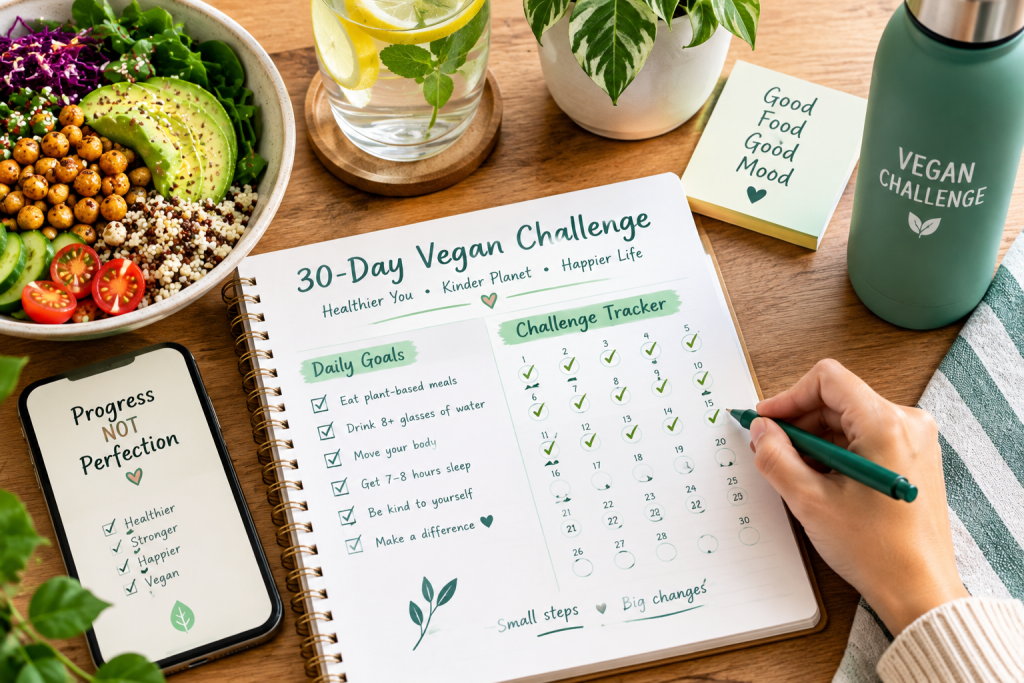
One to Two Weeks Before
- [ ] Choose 14 days or 30 days and set your start and end dates
- [ ] Write down your “why”
- [ ] Talk to your healthcare provider if you have any health conditions or concerns
- [ ] Take baseline notes and measurements
- [ ] Do a kitchen audit and remove or set aside non-vegan foods
- [ ] Choose meal plans and recipes
- [ ] Make a shopping list and stock up
- [ ] Buy vitamin B12 and any other recommended supplements
- [ ] Tell friends and family about your challenge
- [ ] Find a challenge buddy or online community
- [ ] Save vegan-friendly restaurants near you
- [ ] Prepare a panic plan of emergency snacks and quick meals
During the Challenge (Daily)
- [ ] Eat a protein-rich food at each meal
- [ ] Eat plenty of vegetables and fruit
- [ ] Take B12 (and other supplements as advised)
- [ ] Drink water
- [ ] Enjoy a source of calcium (fortified plant milk, calcium-set tofu, leafy greens)
- [ ] Include a source of omega-3 (flax, chia, walnuts, or an algae supplement)
- [ ] Use iodized salt or another reliable iodine source
- [ ] Log energy, mood, digestion, and sleep
- [ ] Check labels
- [ ] Get outdoor time and physical activity
During the Challenge (Weekly)
- [ ] Plan the next week’s meals
- [ ] Batch-cook staples
- [ ] Restock groceries
- [ ] Do a weekly review
- [ ] Try one new recipe
- [ ] Connect with your support person or community
At the End
- [ ] Compare your baseline with your final results
- [ ] Write down your favorite meals and recipes
- [ ] Note what was hard and what was surprisingly easy
- [ ] Decide: extend, adopt mostly plant-based, or return to your previous diet with upgrades
- [ ] Schedule a check-up or bloodwork if appropriate
- [ ] Celebrate your accomplishment
Frequently Asked Questions About the Vegan Challenge
How long should a vegan challenge be?
Most people choose either 14 days or 30 days. Fourteen days is a manageable introduction and works well for first-timers and busy schedules. Thirty days offers more time to adapt, build habits, and observe changes. If you are unsure, start with 14 days and extend if you want to continue.
Is a 14-day vegan challenge long enough to see results?
You may notice changes in digestion, energy, and food preferences within two weeks, although individual experiences vary and some effects take longer to appear. Fourteen days is also enough time to learn many new recipes and build the habit of planning and shopping. If you want to observe more meaningful changes, a 30-day challenge provides a fuller picture.
Is a 30-day vegan challenge safe?
For most healthy adults, a well-planned 30-day vegan challenge is considered safe. The main considerations are getting enough calories and protein, taking vitamin B12, and paying attention to iron, iodine, calcium, vitamin D, zinc, and omega-3s. People with medical conditions, those who are pregnant or breastfeeding, and anyone with a history of disordered eating should consult a healthcare professional first.
Can I lose weight with a 14-day or 30-day vegan challenge?
Some people do, particularly if they replace processed foods with whole plant foods and end up eating fewer calories. However, results vary. Early weight changes are often water weight, and the long-term outcome depends on the overall quality and quantity of your diet, not on being vegan alone. Focus on nourishing your body, and treat any weight change as a bonus rather than the goal.
What foods can I eat during a vegan challenge?
You can eat all fruits, vegetables, legumes (beans, lentils, chickpeas, peas), whole grains (oats, rice, quinoa, barley), nuts and seeds, soy foods (tofu, tempeh, edamame, soy milk), plant milks and yogurts, herbs and spices, and plant-based oils. You also have a huge number of processed vegan options, from meat alternatives to desserts.
What foods do I avoid on a vegan challenge?
Avoid meat, poultry, fish, shellfish, dairy products (milk, cheese, butter, yogurt, cream, ice cream), eggs, honey, and products containing animal-derived ingredients such as gelatin, whey, casein, lard, and carmine.
Do I need supplements on a vegan challenge?
Vitamin B12 is the one supplement that health organizations consistently recommend for people who eat vegan. Depending on your diet, sun exposure, location, and health status, your healthcare provider may also suggest vitamin D, an algae-based omega-3 supplement, iodine, or others. Do not start high-dose supplements without professional guidance, especially iron.
Where do vegans get protein?
From legumes, tofu, tempeh, seitan, edamame, soy milk, nuts, seeds, whole grains, and even vegetables. A varied vegan diet that includes enough calories generally meets protein needs. Athletes and people with higher needs can add protein-dense foods and, if desired, protein powders.
Is honey vegan?
Most vegans avoid honey because it is produced by bees. Alternatives include maple syrup, agave nectar, date syrup, and molasses. Because “vegan” definitions vary slightly, decide at the beginning of your challenge how you will treat honey, and stick with your decision.
Is sugar vegan?
Sugar comes from plants, but in some regions, refined white sugar is filtered through bone char. If this matters to you, choose organic, beet, raw, or certified vegan sugar. Many people doing a short challenge do not worry about this detail, but it is worth knowing.
Can I drink coffee and alcohol on a vegan challenge?
Coffee and tea are vegan as long as you use plant milk or nothing at all. Some wines, beers, and ciders use animal-derived fining agents, so check labels or use a vegan alcohol database. Limiting alcohol is also good for overall health. If you drink, do so in moderation.
What if I accidentally eat something non-vegan?
Do not panic. It happens to nearly everyone, especially with hidden ingredients in restaurant meals or packaged foods. Note what happened, learn from it, and keep going. Some people restart the count; others simply continue. What matters is your intention and your overall effort.
Can I do a vegan challenge while pregnant or breastfeeding?
A vegan diet can be adequate during pregnancy and breastfeeding, but nutrient needs are higher, and planning and monitoring are essential. Please consult your doctor or a registered dietitian before making dietary changes during these times, and do not treat pregnancy as a time for a short-term dietary experiment without professional guidance.
Is a vegan challenge appropriate for children and teenagers?
Children and teens have unique nutritional needs for growth and development. Any vegan diet for a child requires careful planning and supplementation and should be supervised by a pediatrician or registered dietitian. This guide is intended for adults.
What are the side effects of going vegan?
Some people experience temporary gas, bloating, or changes in bowel habits due to increased fiber. Others may notice increased hunger, changes in energy, or cravings in the first days. These are usually mild and improve as your body adapts. If you experience severe or persistent symptoms, talk to a healthcare professional.
Will I lose hair or get tired on a vegan diet?
Hair shedding and fatigue are not inevitable, but they can occur if you eat too few calories, too little protein, or too little iron, zinc, or B12. Eating enough total food, including a variety of legumes, seeds, and whole grains, and taking B12 helps prevent these issues. If you notice unusual hair loss or persistent fatigue, speak with your doctor.
How much does a vegan challenge cost?
It can cost less than a typical diet if you focus on staples such as beans, lentils, rice, oats, potatoes, frozen produce, and seasonal vegetables. Costs increase with specialty vegan products such as meat and cheese alternatives, protein powders, and dining out. Cooking at home and planning ahead are the best ways to keep costs down.
Do I need to cook to do a vegan challenge?
Cooking helps, but it is not required. You can eat simply with packaged and convenience foods such as canned beans, frozen vegetables, microwavable rice, hummus, wraps, salads, oatmeal, and plant-based ready meals. Learning a few easy recipes will give you more variety and lower your costs.
Is a vegan challenge good for gut health?
A varied plant-based diet that is high in fiber and rich in diverse plants tends to support a diverse gut microbiome, which is associated with better digestive and overall health. Adjust gradually to avoid discomfort. Eating a wide range of plant foods each week, including legumes, whole grains, vegetables, fruits, nuts, and seeds, is a smart goal.
Can I exercise during a vegan challenge?
Yes. Continue your normal activity, and make sure you are eating enough calories, carbohydrates, and protein to fuel your training. If you are a serious athlete, plan your meals carefully and consider working with a sports dietitian.
What happens to your body in 30 days of eating vegan?
Experiences vary widely. Some people notice improved digestion, steadier energy, better sleep, weight changes, or changes in cholesterol or blood pressure. Others notice little change or experience temporary challenges such as gas or cravings. The outcome depends on what you were eating before, what you eat during the challenge, and your individual biology.
What if I hate vegetables?
Start with what you enjoy. Blend greens into smoothies, add finely chopped vegetables to sauces, roast vegetables with spices, and try new cooking methods. Legumes, whole grains, fruit, nuts, seeds, tofu, and starchy vegetables like potatoes and sweet potatoes can carry the diet while you slowly expand your comfort zone.
Should I go vegan gradually or all at once?
Both approaches work. A full switch with a fixed end date is what most challenges use, and it can feel more exciting and decisive. If that feels intimidating, you can spend a week beforehand replacing a few meals a day with vegan options, then begin the official challenge.
What is the best time of year to do a vegan challenge?
Any time you can plan. Many people choose January for a fresh start, spring or summer when produce is abundant, or a quiet period with fewer social events. The best time is when you can prepare, shop, and cook without unusual stress.
Should I do a 14-day or 30-day vegan challenge first?
If you are new to plant-based eating, start with 14 days. If you are already familiar with vegetarian or plant-heavy meals and have the time and motivation, choose 30 days. If you are unsure, begin with 14 days and extend if you feel good.
Is a vegan challenge worth it?
For many people, yes. Even if you do not become vegan afterward, a challenge can expand your food repertoire, improve your cooking skills, and give you insights into how different foods affect you. The only real “failure” is not learning anything, and that is unlikely.
Final Thoughts: Your First Step Starts Today
A 14-day or 30-day vegan challenge is not about perfection, purity, or proving anything to anyone. It is about curiosity. It is about giving yourself a defined amount of time to explore what happens when you fill your plate with vegetables, fruits, beans, whole grains, nuts, and seeds, and to learn something valuable about your own body, habits, and values.
If you are still deciding between 14 and 30 days, remember this simple rule: choose the length that feels slightly challenging but definitely achievable. You can always extend. A completed 14-day challenge is far more powerful than a 30-day plan you abandon on day five.
To recap the essentials:
- Prepare. Set your dates, take baseline notes, audit your kitchen, and stock up.
- Nourish. Eat enough calories, include protein at every meal, and pay attention to vitamin B12, iron, calcium, iodine, vitamin D, zinc, and omega-3s.
- Plan. Batch-cook, use the meal plans in this guide, and keep emergency snacks ready.
- Track. Notice how you feel, so your results become real information.
- Stay flexible. Slip-ups happen. Keep going, learn, and adjust.
- Reflect. At the end, decide what to keep, what to change, and what comes next.
Whatever you decide after your challenge, you will finish with new recipes, new skills, and a deeper understanding of how food connects to your health, your budget, your values, and your daily life. That knowledge belongs to you, forever.
So choose your start date, write down your “why,” fill your kitchen with good food, and begin. Your first plant-powered meal is closer than you think.
Ready to get started? Bookmark this guide, share it with a friend who might want to join you, and pick your first three recipes today.
Medical Disclaimer
The information in this article is provided for general educational purposes only and is not intended as medical, nutritional, or professional advice. It does not create a doctor-patient or dietitian-client relationship. Always consult a qualified healthcare provider or registered dietitian before making significant changes to your diet, especially if you are pregnant, breastfeeding, have a medical condition, take medication, have a history of disordered eating, or are planning a diet for a child. Nutrient recommendations mentioned here are general reference figures and may not be right for you. Individual results vary.