
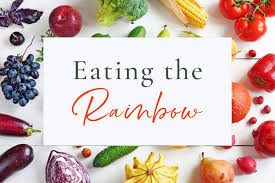
You’ve heard it before, but what does “eat the rainbow” actually mean? Here’s the science behind why colorful fruits and vegetables are the key to better health, more energy, and even a happier mood.
Let me tell you about the most beautiful salad I ever ate.
I was in a tiny café in the countryside, not expecting much. The menu described a “rainbow bowl,” and I rolled my eyes a little—it sounded like something designed for Instagram, not for actual hunger.
Then it arrived.
Deep purple shredded cabbage. Bright orange carrot ribbons. Cherry tomatoes so red they practically glowed. Yellow bell peppers, green avocado, red onion so purple it was almost black, and a handful of vibrant green herbs scattered on top like confetti.
I almost didn’t want to eat it. It looked like art.
But I did eat it, and here’s the thing: it tasted as good as it looked. Every forkful was different. Sweet, sharp, earthy, creamy. My body felt… happy. Not in a dramatic way, but in a quiet, satisfied, well-nourished kind of way.
That’s when I started understanding what “eat the rainbow” really means. It’s not just a cute slogan. It’s nature’s way of packaging everything your body needs to thrive.
First, What Does “Eat the Rainbow” Actually Mean?
The phrase is simple: eat fruits and vegetables of different colors every day. But the science behind it is fascinating.
Different colors in plants come from different natural compounds called phytonutrients (phyto means plant). These compounds do specific jobs in the plant—protecting it from pests, attracting pollinators, coping with sunlight—and when we eat them, they do specific jobs in our bodies too .
Think of each color as a different team of nutrients, each with its own specialty. Red foods do different things than green foods, which do different things than purple foods. By eating a variety of colors, you’re covering all your bases.
The current UK and US dietary guidelines recommend eating at least five portions of fruits and vegetables a day . But here’s the upgrade: don’t just aim for five. Aim for five different colors across the week.
Red: The Heart and Circulation Team
Let’s start with red. Tomatoes, watermelon, pink grapefruit, red peppers, strawberries, raspberries, cherries.
The star player here is lycopene, a powerful antioxidant that gives these foods their red hue . Lycopene is particularly good at protecting your heart and has been linked to lower risk of certain cancers, especially prostate cancer .
But lycopene is shy. It’s trapped inside the plant’s cell walls, and your body has a hard time accessing it unless you give it a little help. Cooking tomatoes—think tomato sauce, roasted tomatoes, tomato soup—actually increases the amount of lycopene your body can absorb . And because lycopene is fat-soluble, eating it with a little healthy fat (like olive oil) helps even more.
Strawberries and raspberries bring another red-team player: anthocyanins (yes, despite the name, they’re in red foods too), which support brain health and may help slow age-related cognitive decline .
If you only eat one red thing today, make it tomatoes. If you can manage two, add some berries.
Orange and Yellow: The Immune System All-Stars
Orange and yellow foods are impossible to miss. Carrots, sweet potatoes, butternut squash, oranges, mangoes, yellow peppers, peaches, corn, lemons.
These guys are famous for beta-carotene, which your body converts into vitamin A—essential for healthy vision, a strong immune system, and glowing skin . Vitamin A helps your eyes adapt to changes in light (which is why your grandmother told you carrots help you see in the dark—she wasn’t entirely wrong) .
Citrus fruits like oranges and lemons bring vitamin C, the immune system’s best friend . Vitamin C also helps your body absorb iron from plant foods, so squeezing lemon on your spinach salad is a smart move.
Yellow peppers are a sneaky source of more vitamin C than oranges—one yellow pepper has about three times the vitamin C of an orange .
Beta-carotene is also fat-soluble, so roasting your carrots or sweet potatoes with a little oil helps your body access the goodness.
Green: The Detox and Repair Crew
Green is the biggest team, and it’s doing a lot of heavy lifting. Leafy greens like spinach, kale, Swiss chard, and romaine. Cruciferous vegetables like broccoli, cabbage, Brussels sprouts. Also green beans, peas, avocados, cucumber, zucchini, herbs.
The green team brings chlorophyll, which gives plants their color and helps them convert sunlight into energy . In humans, chlorophyll has been studied for its potential to bind to certain toxins and help remove them from the body .
Cruciferous greens contain sulforaphane and indoles, compounds that support your liver’s natural detoxification processes and have been linked to lower cancer risk . These are the vegetables your mother told you to eat, and for good reason.
Dark leafy greens are also packed with folate (vitamin B9), which is crucial for cell division and DNA production . For women of childbearing age, folate is essential for preventing neural tube defects in pregnancy.
And then there’s vitamin K, found abundantly in greens like kale and spinach. Vitamin K is essential for blood clotting and bone health. One cup of cooked kale provides more than 10 times your daily vitamin K needs .
Avocados are the oddballs of the green team—they’re actually a fruit, and they bring healthy fats instead of the usual vitamins. But they’re green, so they count, and those healthy fats help you absorb all the fat-soluble vitamins from the other colors.
Blue and Purple: The Brain and Longevity Squad
Blue and purple foods are the most mysterious and often the most overlooked. Blueberries, blackberries, purple grapes, plums, eggplant (with the skin on), purple cabbage, purple carrots.
The star here is anthocyanins—yes, the same compound we saw in red foods, but in higher concentrations here. Anthocyanins are powerful antioxidants that cross the blood-brain barrier and have been shown to improve memory and cognitive function .
Studies have found that regular consumption of blueberries is linked to slower cognitive decline in older adults . One study followed over 16,000 women for more than a decade and found that those who ate more berries delayed cognitive aging by up to 2.5 years .
Purple foods also support heart health. Anthocyanins help relax blood vessels, lower blood pressure, and reduce oxidative stress that can damage arteries .
Eggplant is a purple food that often gets forgotten. The purple skin is where the anthocyanins live, so don’t peel it. Roast it, grill it, or use it in ratatouille.
White and Brown: The Unsung Heroes
White and brown foods don’t get the same Instagram love as the brighter colors, but they’re just as important. Garlic, onions, cauliflower, mushrooms, potatoes, parsnips, turnips, ginger.
The white team brings allicin (from garlic and onions), which has antimicrobial properties and supports immune function . Garlic has been used medicinally for centuries, and modern research supports its role in reducing blood pressure and cholesterol .
Mushrooms are the only non-animal source of vitamin D if they’ve been exposed to UV light during growth . They also contain beta-glucans, which support immune function.
Cauliflower might look plain, but it’s a cruciferous vegetable just like broccoli, with all the same liver-supporting sulforaphane benefits . It’s also incredibly versatile—roasted, riced, mashed, or eaten raw.
Potatoes often get a bad reputation, but they’re actually a good source of potassium (more than bananas) and vitamin C, especially if you eat the skin . The key is how you prepare them—boiled or baked is great; deep-fried, not so much.
Why a Salad Is the Perfect Rainbow Vehicle
Here’s the beautiful thing about salads: they’re the easiest way to eat multiple colors in one meal.
A grain bowl or a stir-fry can do the same thing, but a salad has no rules. You can throw in whatever you have. Leftover roasted vegetables. A handful of berries. Some nuts and seeds. Herbs from the windowsill. Leftover grains from last night.
And because you’re not cooking most of the ingredients, you’re getting all the nutrients in their raw, unprocessed form. Heat can destroy some vitamins (especially vitamin C and some B vitamins), so eating raw vegetables ensures you’re getting the full benefit .
That said, cooking some vegetables can make other nutrients more accessible. That’s why a salad that combines raw greens with roasted sweet potato and lightly steamed broccoli gives you the best of both worlds.
The Happiness Connection
Here’s something I didn’t expect when I started eating more colors: I felt happier.
There’s actual science behind this. The gut-brain connection is real. The trillions of bacteria living in your gut produce neurotransmitters that affect your mood, including serotonin (the “happy chemical”) .
Different colored plants feed different types of gut bacteria. A diverse microbiome—meaning lots of different bacteria species—is linked to lower rates of depression and anxiety . When you eat a rainbow, you’re feeding a rainbow of gut bacteria.
There’s also the simple pleasure of eating beautiful food. A plate full of color is visually appealing. It signals abundance and variety. It makes you feel cared for, even if you’re the one who prepared it.
And there’s the satisfaction of knowing you’re doing something genuinely good for yourself. Not restricting, not depriving—just adding more of what nature provides.
How to Actually Eat the Rainbow (Without Going Crazy)
The idea of eating all these colors can feel overwhelming. Where do you start? How do you fit it all in?
Here’s the secret: you don’t need to eat every color every day. Aim for variety across the week.
Start with what you already eat. If you usually have a banana for breakfast, add a handful of blueberries. If you make sandwiches for lunch, add some spinach leaves and sliced bell pepper. If you’re having pasta for dinner, throw in a handful of cherry tomatoes and some broccoli.
Shop the rainbow. When you’re at the supermarket or farmer’s market, notice what colors are missing from your trolley. If everything is beige, wander over to the produce section and pick something in a color you haven’t eaten in a while.
Keep it simple. You don’t need exotic ingredients. A red apple, a green apple, and a handful of purple grapes count. Roasted carrots (orange) with broccoli (green) and chicken counts.
Use frozen. Frozen fruits and vegetables are picked at peak ripeness and flash-frozen, locking in nutrients. They’re often cheaper than fresh, last longer, and count just as much toward your rainbow.
Add one new thing. Next time you make a salad, add one color you don’t usually include. Sliced radishes for red. Corn for yellow. Beetroot for purple. Herbs for green.
A Week of Rainbows (Ideas, Not Rules)
Here’s what eating the rainbow might look like across a week. Use this as inspiration, not a prescription.
Monday: Breakfast smoothie with spinach (green), frozen mango (orange), and banana (white). Dinner: roasted chicken with sweet potato (orange) and broccoli (green).
Tuesday: Lunch salad with mixed greens (green), tomatoes (red), cucumber (green), and sliced red onion (purple-ish). Snack: apple (red/green).
Wednesday: Breakfast: Greek yogurt with blueberries (purple) and strawberries (red). Dinner: stir-fry with bell peppers (red, orange, green), snap peas (green), and cauliflower rice (white).
Thursday: Lunch: leftover stir-fry. Snack: carrot sticks (orange) with hummus.
Friday: Breakfast: scrambled eggs with spinach (green). Dinner: homemade pizza with tomato sauce (red), mushrooms (white), and rocket (green) on top after cooking.
Saturday: Brunch: avocado toast (green) with poached eggs and a side of roasted tomatoes (red). Dinner out—whatever looks good, but notice what colors are on your plate.
Sunday: Roast dinner: chicken, roasted parsnips (white), roasted carrots (orange), Brussels sprouts (green), and cauliflower cheese (white). If you add red cabbage, that’s purple too.
A Gentle Reminder
Eating the rainbow isn’t about perfection. It’s not about never eating beige food again. (Bread is delicious. Pasta is wonderful. Crisps have their place.)
It’s about adding more. More color, more variety, more nutrients, more pleasure.
Every time you choose a piece of fruit over a packet of biscuits, that’s a win. Every time you add a handful of spinach to your sandwich, that’s a win. Every time you try a vegetable you’ve never eaten before, that’s a win.
The goal isn’t to be perfect. It’s to move in the right direction, one meal at a time.
Your body knows what to do with that deep purple cabbage. It knows how to use the lycopene from tomatoes, the beta-carotene from carrots, the anthocyanins from blueberries. Give it the raw materials, and it will do the rest.
And somewhere along the way, you might just find that eating this way makes you feel not just healthier, but genuinely happier.
That’s the magic of the rainbow. It feeds more than your body. It feeds something deeper.
Tools to Support Your Journey
If you’re eating more colors and want to understand how it all fits into your overall health, sometimes a little data helps.
👉 Use Our Free Calorie Calculator
This simple tool uses the scientific Mifflin-St Jeor equation to estimate your Basal Metabolic Rate (BMR) and Total Daily Energy Expenditure (TDEE). It can help you understand how your colorful eating fits into your energy needs.
👉 Use Our Free Weight Loss & Fitness Calculator
This gives you a fuller picture—BMI, BMR, TDEE, daily target, and estimated timeline to your goal. A helpful way to check in with where you are.
👉 Use Our Free Fitness Unit Converter
If you’re following recipes from different countries, this tool instantly converts weight, height, distance, and pace.
A Supplement to Support Your Health
If you’re looking for extra support on your journey to better health, some people find that targeted supplements help fill any gaps in their nutrition.
GlucoTonic combines natural ingredients traditionally used to support healthy blood sugar balance and sustained energy—a great complement to a diet rich in colorful whole foods.
This article contains affiliate links. If you purchase through these links, I may earn a commission at no extra cost to you. I only recommend products I genuinely believe in.
A Final Thought
The next time you’re at the market, look at the produce section with new eyes. See the purple eggplant next to the green zucchini. The red tomatoes beside the yellow peppers. The deep green kale and the bright orange sweet potatoes.
Nature laid out a feast for you. Every color is a message, a gift, a tool your body knows how to use.
The question isn’t whether you can afford to eat this way. The question is whether you can afford not to.
Eat the rainbow. Your body—and your taste buds—will thank you.