
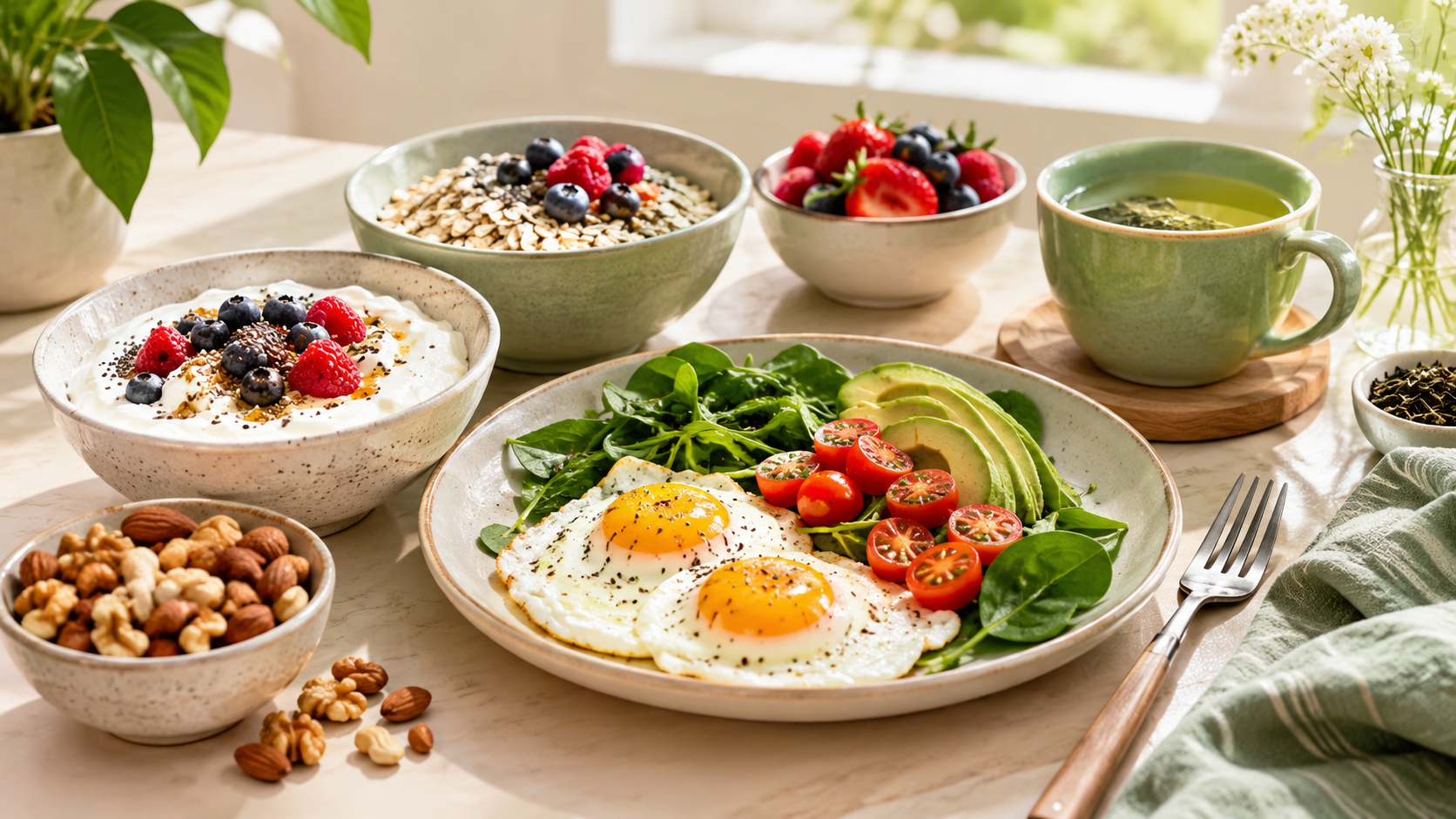
Struggling with belly fat and low energy? Learn 9 evidence-based ways to support your metabolism naturally, what supplements really do, and a simple 4-week plan.
Written by Kalsoom Khan, Founder & Wellness Content Creator, FitHealthyMind, on November 2026
By FitHealthyMind.com Editorial Team | Reading time: about 17 minutes | Written for readers in the USA and UK
Disclosure: This article contains links to our own digital products. We may earn money if you buy. This is general education and not medical advice.
You eat reasonably, you try to stay active, yet your waistline will not budge and you feel tired by mid-afternoon. It is frustrating, and it is easy to fall for promises of a “metabolism reset” or a magic fat-burning pill.
The truth is more useful. Metabolism is real, it is influenced by things you can change, and small daily habits can support your energy and body composition. But there is no single trick, and you cannot choose where your body loses fat.
This guide explains what metabolism actually is, why belly fat and low energy often show up together, 9 evidence-based habits to support your metabolism naturally, a review of popular “metabolism boosters” (what helps, what is hype), when to see a doctor, and a simple 4-week plan. It is written in plain language for readers in the USA and UK.
Quick answer: To support your metabolism naturally, build and keep muscle with strength training, eat enough protein and whole foods, move more through the day, sleep 7 or more hours, manage stress, stay hydrated, avoid crash diets, and be consistent. These habits can support energy and gradual fat loss. Supplements and “fat burners” are not a shortcut, and persistent tiredness deserves a check-up.
Get Your Metabolic Health Dashboard →
What Is Metabolism, Really?
Metabolism is the set of chemical processes that keep you alive and turn food into energy. The number of calories you burn in a day (often called total daily energy expenditure) is made of four parts:
- Basal metabolic rate (BMR): energy your body uses at rest for breathing, circulation and cell repair. This is usually the largest part, often well over half of daily burn.
- Thermic effect of food (TEF): energy used to digest and absorb food. Protein costs more to digest than fat or carbohydrate.
- Non-exercise activity (NEAT): everything that is not formal exercise, such as walking, chores, fidgeting and standing.
- Exercise activity: planned workouts.
Key point: Your metabolism is not a single switch. It is influenced by muscle mass, body size, age, sleep, hormones, genetics, food intake and activity. Some of these you can influence and some you cannot.
Why Belly Fat and Low Energy Often Go Together
Belly fat and tiredness are not always caused by the same thing, but they often share common drivers:
- Poor or short sleep can raise hunger and make exercise feel harder.
- Chronic stress can affect appetite, sleep and where you store fat.
- Low activity and a lot of sitting reduce calorie burn and energy.
- Diets high in ultra-processed foods and sugary drinks can lead to energy crashes and weight gain.
- Loss of muscle with age or crash dieting lowers resting calorie burn.
- Alcohol adds calories and disturbs sleep.
- Medical factors such as an underactive thyroid, sleep apnea, anemia, diabetes or prediabetes, PCOS and menopause changes can contribute to both weight changes and fatigue.
That last point matters. If your tiredness is severe or does not improve, do not assume it is “just metabolism.” See the section on when to talk to a doctor.
Why Belly Fat Gets So Much Attention
Fat stored around the abdomen, especially deep fat around organs (visceral fat), is linked with higher health risks than fat stored elsewhere. Health bodies use waist size as a simple warning sign. As a general guide, a waist above about 37 inches (94 cm) for men and 31.5 inches (80 cm) for women is considered increased risk in UK guidance, and higher thresholds (about 40 inches for men and 35 inches for women) are commonly used in US guidance. These are screening guides, not diagnoses, and they vary by ethnicity and individual. Ask your doctor how they apply to you.
Myths That Keep You Stuck
Myth 1: You Can Spot-Reduce Belly Fat
Crunches strengthen your abs, but they do not burn fat from the stomach. Your body loses fat from all over, in a pattern decided largely by genetics and hormones.
Myth 2: A “Slow Metabolism” Is the Main Reason You Cannot Lose Weight
For most people, metabolic rates are fairly predictable for their size and age. A “slow metabolism” is rarely the sole cause. Food intake, portion sizes, activity, sleep and consistency usually matter more, though medical conditions can play a role.
Myth 3: Eating Very Little Speeds Up Fat Loss
Crash dieting can reduce muscle and cause your body to burn less energy, and it often leads to rebound weight gain. Gradual changes are more sustainable.
Myth 4: Detox Teas, Cleanses and Waist Trainers Work
There is little evidence that detox products melt fat. Some contain laxatives or diuretics that cause water loss and can be harmful. Waist trainers do not permanently reduce fat.
Myth 5: You Need to Eat Every Two Hours to “Stoke” Your Metabolism
Meal frequency has little effect on total calorie burn. What matters most is total intake and food quality.
Myth 6: Cardio Is the Only Way
Cardio is great for heart health, but strength training helps build and preserve muscle, which supports metabolism. The best plan includes both.
The 9 Habits to Support Your Metabolism Naturally
Small, consistent lifestyle changes can help you build a healthier routine over time. Learn how to build healthy habits that last and make daily wellness goals easier to maintain.
Habit 1: Build and Keep Muscle With Strength Training
Muscle tissue uses more energy at rest than fat tissue, and strength training helps protect muscle, especially during weight loss and as you age. Health guidelines in both the USA and UK recommend muscle-strengthening activity on at least 2 days per week.

How to start:
- Do 2 to 3 full-body sessions per week, 20 to 40 minutes.
- Choose basic moves: squats, lunges, push-ups (incline if needed), glute bridges, rows with bands or dumbbells, planks.
- Aim for 8 to 12 repetitions per exercise, 2 to 3 sets, finishing a few reps short of failure.
- Increase difficulty gradually, with more reps, slower control, or a little more weight.
Beginners can start with bodyweight at home. See our guide to a simple beginner fitness routine at home.
Regular movement and strength training can support muscle health and overall fitness. If you are new to exercise, try this beginner fitness routine at home to get started at your own pace.
Habit 2: Eat Enough Protein at Every Meal
Protein helps you feel full, supports muscle, and has a higher thermic effect than other nutrients. Many people eat most of their protein at dinner and very little at breakfast.
Easy ways to add protein:
- Eggs, Greek yogurt or skyr, cottage cheese
- Chicken, turkey, fish, lean meat
- Beans, lentils, chickpeas, tofu, tempeh
- Nuts and seeds (portion-aware)
- Protein-rich breakfasts such as eggs on toast or oats with yogurt and seeds
A common aim is to include a palm-sized portion of protein at each meal. Needs vary. If you have kidney disease or another condition, ask your doctor before increasing protein.
Habit 3: Move More Throughout the Day (Boost Your NEAT)
Small movements add up. People who sit most of the day can burn meaningfully fewer calories than those who move often, even if they exercise.
Simple ideas:
- Walk for 10 minutes after meals.
- Take stairs when you can.
- Stand up and move every 30 to 60 minutes.
- Take phone calls while walking.
- Park farther away, or get off a stop early.
- Do chores, gardening, or play with kids or pets.
General guidelines suggest adults aim for at least 150 minutes of moderate activity a week. Short bursts count.
Habit 4: Prioritize Sleep
Short sleep is linked with higher appetite, stronger cravings, lower energy, and poorer workout recovery. Most adults need around 7 or more hours.

Sleep tips:
- Keep consistent bedtimes and wake times.
- Turn off screens 30 to 60 minutes before bed.
- Keep the bedroom cool, dark, and quiet.
- Limit caffeine in the afternoon and alcohol close to bedtime.
- Get morning light and some daytime movement.
If you snore loudly, wake unrefreshed, or feel sleepy despite long nights, talk to a doctor about sleep apnea or other sleep problems.
Habit 5: Manage Stress
Chronic stress can disrupt sleep and appetite and make healthy habits harder. You cannot remove stress, but you can build recovery into your day.
Try:
- 5 minutes of slow breathing (inhale 4 counts, exhale 6)
- A daily walk outside
- Stretching or gentle yoga
- Journaling or talking with someone you trust
- Setting boundaries on work and screen time
If stress or low mood feels overwhelming, speak with a healthcare professional.
Habit 6: Eat Mostly Whole, Fiber-Rich Foods
Whole foods tend to be more filling and require more digestion than ultra-processed foods. Fiber also supports gut health and steady energy.
Build your plate with:
- Plenty of vegetables and fruit
- Whole grains such as oats, brown rice, quinoa, whole-wheat bread
- Beans and lentils
- Healthy fats from olive oil, nuts, seeds, avocado and oily fish
- A source of protein
Limit sugary drinks, frequent sweets, heavily processed snacks, and large amounts of alcohol, which can add calories and cause energy swings.
Habit 7: Stay Hydrated
Even mild dehydration can make you feel tired and foggy. Thirst is sometimes mistaken for hunger. Drink water regularly through the day, and more when it is hot or you are active. Water, tea and coffee (in moderation), and water-rich foods all count.
Habit 8: Avoid Crash Diets; Aim for Gradual Fat Loss
Very low-calorie diets can reduce muscle, slow your energy levels, and lead to rebound weight gain. A common, widely used guideline for sustainable loss is about 0.5 to 1 kg (1 to 2 pounds) per week for those who need to lose weight. Not everyone needs to lose weight, and the right pace depends on your situation.
Practical approach:
- Create a modest calorie gap through food quality and portion awareness.
- Do not skip meals to “save calories” if it leads to overeating later.
- Keep protein high and strength training regular.
- Use a calorie estimate as a rough guide, such as our Calorie Calculator, but do not treat the number as exact.
If you have a history of disordered eating, avoid calorie counting and speak with a professional first.
Habit 9: Be Consistent and Track Your Progress
The best plan is the one you can follow for months, not days. Tracking helps you see progress when the scale is not moving, notice patterns in sleep and energy, and stay accountable. See the tracking section below.
Metabolism Boosters Reviewed: What Works and What Is Hype
Here is an honest look at the things people most often try. Ratings reflect the general strength of evidence, not a guarantee for any one person.
| Booster | What it may do | Evidence and honest take |
|---|---|---|
| Strength training | Builds and protects muscle, supports resting calorie burn | Strong. One of the best long-term tools. |
| Protein at meals | Higher thermic effect, more fullness, supports muscle | Strong. Helpful, but not magic on its own. |
| Walking and daily movement (NEAT) | Increases calories burned, improves energy | Strong. Easy and underrated. |
| Good sleep | Supports appetite control and recovery | Strong. Often overlooked. |
| Staying hydrated | Supports energy and normal function | Moderate. Drinking water is helpful; “water boosts metabolism” claims are small. |
| Caffeine (coffee, tea) | Slight short-term increase in energy use and alertness | Small effect. Do not overdo it; it can disturb sleep and cause jitters. |
| Green tea or green tea extract | Possible small effect on fat oxidation | Weak to modest. Extracts in high doses have been linked to liver problems in rare cases; use caution. |
| Spicy foods (capsaicin) | Tiny, short-lived rise in calorie burn | Small. Fine to enjoy, not a solution. |
| Apple cider vinegar | Some small studies on appetite and blood sugar | Weak. Can irritate teeth and the throat; dilute it and check with a doctor if you take medication. |
| Cold showers or cold exposure | May activate brown fat slightly | Weak for weight loss. Not a proven fat-loss tool. |
| Eating small meals every 2 hours | Claimed to “stoke” metabolism | Not supported. Total intake matters more. |
| Detox teas and cleanses | Claimed to flush fat | Not supported and can be harmful. Often contain laxatives. |
| “Fat burner” and metabolism pills | Claimed to speed up fat loss | Weak and risky. See below. |
A Closer Look at Fat Burner and Metabolism Supplements
Many products are sold as “metabolism boosters” or “belly fat burners.” Common ingredients include caffeine, green tea extract, capsaicin, and herbal blends. Before you consider one:
- Evidence is limited. Most ingredients show small effects at best, and results vary.
- Safety varies. Some products contain high doses of stimulants. Side effects can include a racing heart, anxiety, poor sleep, digestive upset, and, with some extracts, liver problems.
- Regulation is lighter than for medicines. In the USA the FDA does not approve supplements before sale, and in the UK supplements are regulated as foods. Contaminated or mislabeled products have been found, including some containing undeclared drugs.
- Interactions are possible. Supplements can interact with medicines, especially for blood pressure, depression, thyroid or heart conditions.
- Big promises are a red flag. Be wary of “melts belly fat,” “fixes your metabolism,” celebrity endorsements, fake countdown timers, and glowing but unverifiable reviews.
Bottom line: If you are tempted by a supplement, talk to your doctor or pharmacist first, read the full ingredient label, check for third-party testing, and remember that no pill replaces sleep, movement, and food quality. If you would like a balanced review of a specific product, we recommend checking independent evidence and reading reviews that discuss drawbacks as well as benefits.
Considering a Weight Management Supplement?
Exploring Weight Management Supplements?
Learn more about Sumatra Slim, review its ingredients, directions, potential risks and suitability before deciding whether it is right for you.
Affiliate disclosure: I may earn a commission if you purchase through this link, at no additional cost to you.
A Simple Day of Metabolism-Friendly Eating
This is an example, not a prescription. Adjust to your needs, culture, budget and any medical advice.
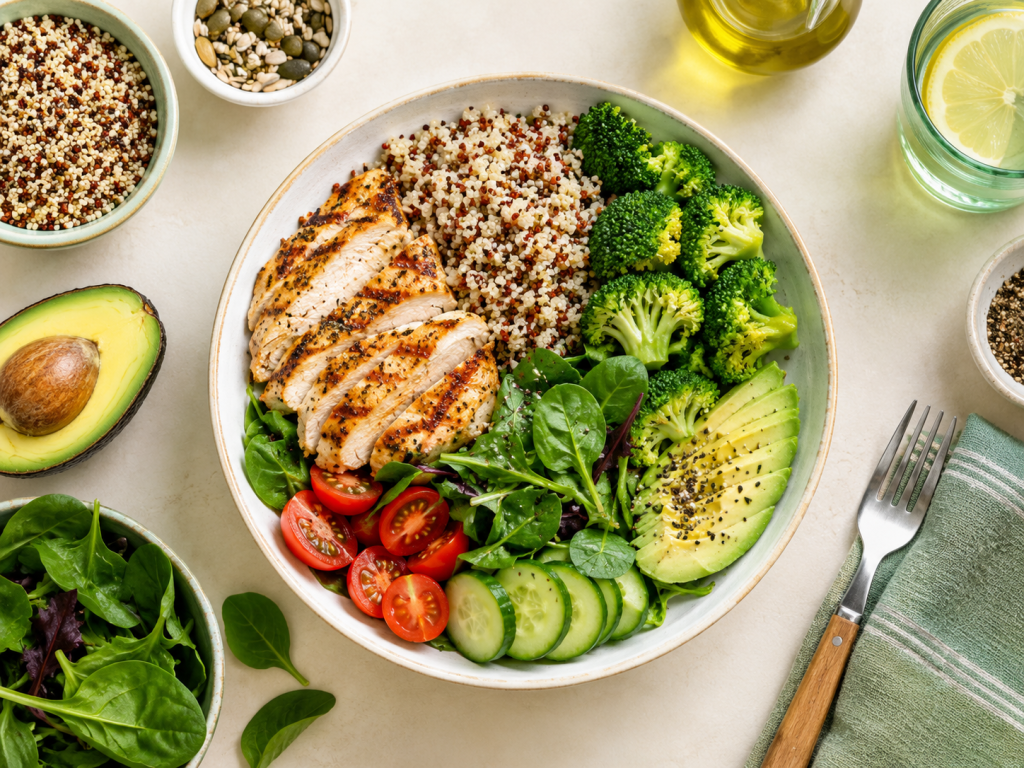
Breakfast
- Greek yogurt or skyr with berries, oats and a spoon of seeds, or
- Eggs on whole-grain toast with tomatoes and spinach, or
- Overnight oats made with milk or plant milk and chia
Lunch
- Grilled chicken, tofu or beans with a large salad, olive oil dressing and a portion of whole grains
- Lentil soup with a side of vegetables and bread
Snack
- An apple with a small handful of nuts, or
- Cottage cheese with fruit, or
- Carrots and hummus
Dinner
- Baked salmon (or chickpea curry), roasted vegetables, and brown rice or potatoes
- A stir-fry with plenty of vegetables, lean protein, and noodles or rice
Drinks
- Water through the day, plus tea or coffee if you enjoy them
- Limit sugary drinks and keep alcohol modest
Tip: Prepare ingredients ahead for the week. Even a short weekly prep session makes healthy choices easier.
Track Your Progress the Smart Way
If you only watch the scale, a few slow weeks can feel like failure. Track a mix of measures:
- Habits: workouts completed, steps, water, sleep hours
- Energy and mood: a simple 1 to 10 rating each day
- Strength: reps, weights, or how long you can hold a plank
- Body measurements: waist measured monthly at the same place (about halfway between your lowest rib and the top of your hip bone, after breathing out)
- How clothes fit and how you feel
Waist measurements and strength often change before the scale does, especially when you build muscle.
A Planner to Keep It All in One Place
If you would like a single place to log all of this, the 90-Day Fitness & Wellness Habit Tracker Dashboard may help. According to the product page, it includes:
- A daily check-in for water, sleep, mood, energy, and notes
- A 90-day habit grid with weekly completion percentages
- A workout log with a weekly minutes chart
- A body tracker with weight and waist charts (metric or imperial)
- Progress insights such as streaks, averages, a heatmap, and habit ranking
- 16 achievement badges, custom habits, adjustable targets, and dark mode
- Backup, restore, and print options
It is a one-time digital download priced at $19, with no subscription required.
Good to know: The dashboard is an HTML file that opens in your browser and saves entries privately in that browser on your device. It does not sync between devices, so use the Export Backup button regularly. The product page states that all sales are final, so read the details before you buy. It is a self-tracking tool, not medical advice.
See the 90-Day Habit Tracker Dashboard →
Prefer to start free? A notebook, a calendar, or our free printable habit tracker (see our guide to building healthy habits that last) works too. The best tracker is the one you will actually use.
When to See a Doctor
Self-care is powerful, but persistent symptoms deserve a medical check. Talk to a doctor if you have:
- Fatigue that is severe, lasts for weeks, or is not improving with sleep
- Unexplained weight gain or weight loss
- Constant coldness, hair loss, dry skin, or constipation (possible thyroid signs)
- Excessive thirst, frequent urination, or blurry vision (possible blood sugar issues)
- Loud snoring, gasping at night, or daytime sleepiness
- Irregular periods, new facial hair growth, or significant changes around menopause
- Shortness of breath, chest pain, dizziness, or swelling
- Low mood, anxiety, or loss of interest in usual activities
- A large waist measurement together with other risk factors
If you ever have chest pain, trouble breathing, or severe symptoms, seek emergency care. Your doctor can check for common causes such as thyroid problems, anemia, diabetes, vitamin deficiencies, and sleep disorders, and can advise on safe weight management.
Your 4-Week Plan
This plan adds one or two habits a week so it never feels overwhelming. Adjust it to your fitness level and talk to a doctor first if you have health conditions.
Week 1: Set the Foundation
- Walk 10 minutes after one meal each day.
- Add a palm-sized portion of protein to breakfast.
- Go to bed 15 minutes earlier.
- Measure your waist and note your energy level (optional baseline).
Week 2: Add Strength
- Keep the Week 1 habits.
- Do 2 short strength sessions (20 minutes) using squats, push-ups, glute bridges, and planks.
- Drink a glass of water with each meal.
Week 3: Build Momentum
- Keep the earlier habits.
- Add a third strength session or a longer walk.
- Swap one sugary drink or ultra-processed snack per day for a whole-food option.
- Do a 5-minute breathing or stretching routine in the evening.
Week 4: Review and Adjust
- Keep everything going.
- Compare energy, sleep, strength and measurements with Week 1.
- Decide what to keep, what to simplify, and what to add next.
- Celebrate your consistency with a non-food reward.
Remember: Aim for steady progress. Many people notice better energy and sleep within a few weeks, while changes in body composition take longer and vary from person to person.
Common Mistakes to Avoid
Chasing Quick Fixes
Pills, teas and extreme plans rarely last and can be risky. Sustainable habits work better.
Cutting Calories Too Low
Very low intake can cause fatigue, muscle loss and rebound weight gain.
Doing Only Cardio
Cardio is useful, but add strength training to protect muscle.
Ignoring Sleep and Stress
Poor sleep and chronic stress can undo good food and exercise efforts.
Skipping Protein and Fiber
They help you stay full and steady.
Weighing Yourself Daily and Panicking
Daily weight fluctuates. Look at weekly trends and other measures.
Relying on Willpower
Set up your environment: prepare healthy foods, plan workouts, and make the good choice the easy one.
Comparing Yourself With Others
Bodies differ. Compare yourself with your own starting point.
Giving Up After a Bad Week
One tough week does not erase your progress. Restart with the next meal or the next day.
YOUR DAILY WELLNESS TOOL
Ready to Build Healthier Daily Habits?
Organize your wellness routine in one place with the Metabolic Health Dashboard. Make it easier to plan, track your habits, and stay consistent with your personal health goals.
Explore the Metabolic Health Dashboard →
A digital planning tool for organizing your wellness routine. Not a medical treatment or a guarantee of weight loss.
Frequently Asked Questions
How can I boost my metabolism naturally?
Build muscle with strength training, eat enough protein and whole foods, move more through the day, sleep 7 or more hours, manage stress, stay hydrated, and avoid crash diets. These habits support your metabolism and energy over time.
Can you really speed up your metabolism?
You can influence it, mostly by building muscle and staying active, but you cannot dramatically “reset” it. Age, genetics, and body size also play major roles. Be wary of products that promise big changes.
What are the best foods to boost metabolism?
No food magically boosts metabolism. Protein-rich foods have a higher digestion cost, and whole, high-fiber foods keep you full. Spices, green tea, and coffee have only small effects. Overall eating pattern matters most.
How do I get rid of belly fat?
You cannot spot-reduce belly fat. A combination of a modest calorie gap, strength training, regular movement, good sleep, stress management, and patience can reduce overall body fat, including around the waist. Individual results vary.
Why do I have belly fat even though I exercise?
Possible reasons include diet and portion sizes, alcohol, poor sleep, high stress, hormonal changes, age, genetics, or medical conditions. If your belly fat is increasing despite healthy habits, talk to a doctor.
Why am I always tired?
Common causes include poor sleep, stress, low activity, an unbalanced diet, dehydration, and medical issues such as anemia, thyroid problems, sleep apnea, or low mood. If tiredness is persistent or severe, see a healthcare professional.
Does metabolism slow down with age?
Research suggests that metabolism changes less than people think through most of adulthood, though muscle mass often declines with age and activity tends to drop. Strength training and staying active can help offset this.
Do fat burner supplements work?
Evidence for most fat burners is limited, and effects are usually small. Some products carry safety risks. Talk to your doctor or pharmacist before using any, and do not rely on them instead of lifestyle habits.
Is green tea good for metabolism?
Green tea may have a very small effect, and it can be a healthy drink. High-dose green tea extracts have been linked with liver problems in rare cases, so avoid concentrated extracts unless advised by a professional.
Does apple cider vinegar boost metabolism?
Evidence is weak. Some small studies suggest minor effects on appetite or blood sugar, but it is not a proven fat burner. It can harm tooth enamel and irritate the throat, so dilute it and ask your doctor if you take medication.
How much protein do I need?
It depends on your size, age, activity, and health. Many guidelines suggest at least about 0.8 g per kg of body weight for general health, with higher amounts often used by active people. Speak with a doctor or dietitian for personal advice, especially if you have kidney disease.
How long does it take to see results?
Many people notice improved energy and sleep within a few weeks. Strength gains often take 4 to 8 weeks, while visible changes in body fat take longer and vary widely.
Is intermittent fasting good for metabolism?
It works for some people as an eating pattern, but it is not a metabolic magic trick. What matters is total intake, food quality, and whether you can sustain it. Avoid it if you are pregnant, have diabetes or a history of disordered eating, or take medication, unless advised by a professional.
How do I measure belly fat progress?
Measure your waist monthly at the same place, track how clothes fit, and monitor strength, energy, and sleep. The scale is only one data point.
What is the best exercise for belly fat?
There is no single best exercise. A mix of strength training, brisk walking or other cardio, and daily movement works best for overall fat loss.
Can stress cause belly fat?
Chronic stress can affect sleep, appetite, and habits, which may contribute to weight gain, including around the waist. Managing stress supports overall health.
Can I use the 90-Day Habit Tracker Dashboard to track belly fat progress?
According to the product page, it includes a body tracker with weight and waist charts, a workout log, and daily check-ins for sleep, water, mood, and energy. It is a self-tracking tool and not medical advice.
Final Thoughts
Supporting your metabolism naturally is not about hacks. It is about building muscle, eating well, moving more, sleeping enough, and handling stress, then repeating those habits long enough for them to work. That is less exciting than a miracle pill, but it is what actually helps.
Start small this week: a 10-minute walk after a meal, a protein-rich breakfast, and an earlier bedtime. Add strength training next week. Track your progress, be patient, and see a doctor if tiredness or weight changes feel out of proportion.
Ready to track your journey? Check out the 90-Day Fitness & Wellness Habit Tracker Dashboard, or explore more simple guides on FitHealthyMind.com.
Disclaimer: This article is for general educational purposes only and does not replace advice from a qualified healthcare professional. Consult your doctor before starting a new exercise program, changing your diet, or using supplements, especially if you have a medical condition, take medication, are pregnant or breastfeeding, or have a history of disordered eating. Results vary. The 90-Day Habit Tracker Dashboard is a self-tracking and planning tool and does not diagnose, treat, or prevent any medical condition.
3 thoughts on “Boost Your Metabolism Naturally: 9 Evidence-Based Habits for Belly Fat and Low Energy”