
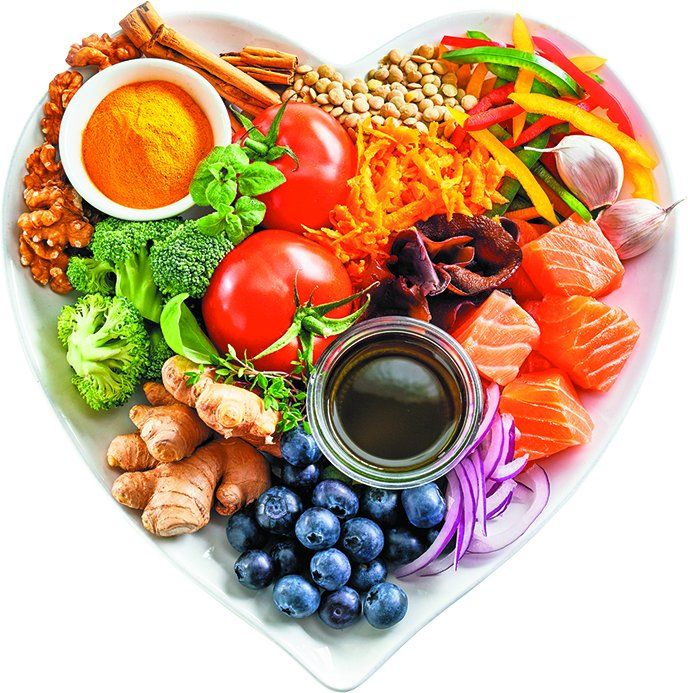
Eating for weight loss doesn’t mean skipping meals or eating boring food. With simple, nutrient-rich ingredients, you can nourish your body, stay full longer, and support healthy fat loss—all without stress.
Nutrient-Rich Vegetables for Fat Loss
Vegetables are low in calories and high in fiber, vitamins, and minerals—perfect for weight loss.
- Leafy Greens (spinach, lettuce, kale): Boost digestion and keep you full
- Cruciferous Veggies (broccoli, cauliflower): Support metabolism
- Colorful Vegetables (carrots, bell peppers): Rich in antioxidants
- Cucumbers & Zucchini: Hydrating and low-calorie
💡 Fill half your plate with vegetables at every meal.
Meta Description: Tired of diet food that leaves you hungry? Here’s how to build nutrient-packed meals that support weight loss—without the deprivation.
Let me tell you about the last time I tried to lose weight on “diet food.”
I bought the low-fat everything. The tiny packaged meals with the calorie counts on the front. The sad, dry crackers that tasted like cardboard. I ate them, felt hungry an hour later, and spent my evenings fantasizing about real food.
Eventually, I’d crack. I’d order a pizza or demolish a bag of crisps, feel guilty, and promise to start again tomorrow. It was a miserable cycle.
Here’s what took me years to understand: diet food is the problem, not the solution.
Real weight loss—the kind that lasts—doesn’t come from eating less. It comes from eating better. From meals that actually nourish you, fill you up, and make you feel like a human being instead of a patient on a strict regimen.
This article is for anyone who’s tired of being hungry. For anyone who wants to lose weight but refuses to eat flavourless “diet” meals. For real people in the US, UK, and Canada who just want to feel good in their bodies while still enjoying their food.
Let’s talk about what that actually looks like.
First, Let’s Rethink What “Diet Food” Means
The diet industry has done a number on us.
They’ve convinced us that food for weight loss should be:
- Low in everything that tastes good
- Packaged in single servings with clinical labels
- Something you endure rather than enjoy
But here’s the truth: the most effective weight loss food is just… real food. Vegetables, proteins, healthy fats, complex carbs. Prepared in ways that make you want to eat them. Served in portions that satisfy without stuffing.
The women of Japan have known this for centuries. Their approach to food is about balance, variety, and moderation—not deprivation. Meals are beautiful, satisfying, and naturally portion-controlled because they’re packed with nutrients that actually fill you up .
When you shift your focus from eating less to eating better, something shifts. You stop fighting your body and start working with it.
What Makes a Meal “Nutrient-Packed”?
Let’s get practical for a moment.
A nutrient-packed meal is one that gives you the most bang for your caloric buck. It’s full of vitamins, minerals, fiber, protein, and healthy fats—things your body actually needs to function.
These are the opposite of “empty calories”—the biscuits, white bread, sugary drinks, and processed snacks that give you energy briefly and then leave you crashing and hungry.
A good weight loss meal has four key players:
Protein keeps you full. It takes longer to digest than carbs, and it sends signals to your brain that say “we’re good here, no need to eat for a while.” Eggs, chicken, fish, beans, lentils, tofu, Greek yogurt—these are your friends.
Fiber is nature’s appetite suppressant. It bulks up your meals, slows digestion, and feeds your gut bacteria (which, it turns out, have a surprising influence on your weight). Vegetables, fruits, whole grains, beans, nuts—all packed with it.
Healthy fats make food taste good and keep you satisfied. They also help your body absorb certain vitamins. Avocado, olive oil, nuts, seeds, fatty fish—don’t be afraid of them.
Complex carbs give you steady energy without the blood sugar spike and crash. Oats, sweet potatoes, brown rice, quinoa, whole grain bread—they fuel your day without leaving you hungry an hour later.
When you build meals around these four things, something magical happens. You stop feeling deprived. You stop obsessing about food. You just… eat, feel satisfied, and get on with your life.
Breakfast: Starting the Day Right
Morning sets the tone. If you start with something that leaves you hungry by 10 a.m., you’re fighting an uphill battle all day.
Here’s what a nutrient-packed breakfast looks like.
The Savory Option
Two eggs, however you like them. A slice of whole grain toast with a little butter or avocado. A handful of spinach quickly wilted in the pan after the eggs. Maybe some cherry tomatoes on the side.
That’s protein, fiber, healthy fat, and complex carbs. It’ll hold you until lunch without the mid-morning slump.
The Sweet Option
Greek yogurt—the full-fat kind, because the low-fat stuff often has added sugar and leaves you hungry. Top it with a handful of berries (fresh or frozen, both work), a tablespoon of chopped nuts or seeds, and maybe a drizzle of honey if you need sweetness.
If you’re hungrier, add a boiled egg on the side or stir in a scoop of protein powder.
The Quick Option
Overnight oats made the night before. Rolled oats, milk (dairy or plant-based), a scoop of protein powder if you have it, and whatever toppings you like—berries, nuts, cinnamon. Grab it from the fridge on your way out the door.
The UK/Ireland Classic
Porridge made with milk or water, topped with a handful of berries and a sprinkle of seeds. It’s warm, filling, and costs pennies. Add a spoonful of peanut butter for extra staying power.
The key with breakfast is protein. Studies consistently show that a higher-protein breakfast reduces cravings later in the day . So whatever you eat, try to include some eggs, yogurt, or protein powder.
Lunch: The Meal That Keeps You Going
Lunch is where many of us fall into traps. The sad desk salad. The sandwich from the shop that leaves us hungry by 3 p.m. The “I’ll just have a soup” that turns into a 4 p.m. biscuit binge.
Here are better options.
The Big Salad That Actually Satisfies
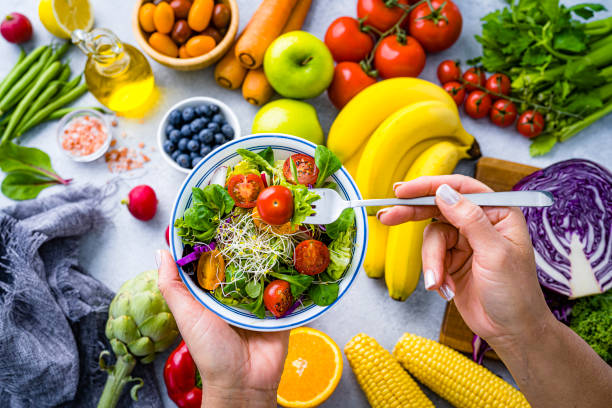
A salad can be a real meal if you build it right. Start with greens—rocket, spinach, romaine, whatever you have. Add a generous portion of protein—chicken, tuna, salmon, chickpeas, tofu. Throw in whatever vegetables are in your fridge—peppers, cucumber, tomatoes, carrots, broccoli.
Then add something with healthy fat—avocado, olives, nuts, seeds. And don’t forget the carbs if you need them—quinoa, brown rice, sweet potato, or a slice of crusty bread on the side.
Dress it with olive oil and vinegar or lemon juice, not the bottled stuff full of sugar and additives.
The Grain Bowl
Cook a big batch of quinoa or brown rice at the start of the week. For lunch, put some in a bowl, top with protein (leftover chicken, canned beans, flaked salmon), add roasted vegetables or fresh greens, and drizzle with something tasty—tahini, yoghurt sauce, pesto.
These bowls are infinitely customizable and keep well in the fridge for days.
The Soup That’s a Meal
Soup can be diet food or real food, depending on what’s in it. A broth-based soup with lots of vegetables and beans or lentils? That’s a meal. Add a slice of whole grain toast with something on top, and you’re set.
Make a big pot on Sunday—lentil soup, vegetable minestrone, chicken and vegetable—and eat it all week.
The Leftover Strategy
The easiest lunch is dinner from last night. Cook extra at dinner, pack it up, and lunch is sorted. No thought required.
Dinner: Food That Feels Like a Treat
Dinner shouldn’t feel like punishment. After a long day, you deserve food that tastes good and makes you feel cared for.
The Perfect Plate
Here’s a simple template for dinner: half your plate with vegetables, a quarter with protein, a quarter with complex carbs. Add a little fat somewhere—oil in cooking, butter on vegetables, sauce on your protein.
It’s not fancy, but it works.
Sheet Pan Dinners
Throw chicken thighs (or tofu) and chopped vegetables—broccoli, bell peppers, red onion, sweet potato—on a baking sheet. Drizzle with olive oil, salt, pepper, and whatever herbs you like. Roast at 200°C (400°F) for 25-30 minutes.
One pan, minimal cleanup, maximum flavor.
The British Classic, Lightened Up
A Sunday roast can absolutely be part of a healthy diet. Have your roast chicken or beef, load up on vegetables (roast them in a little oil, not dripping), have one or two small roast potatoes, and go easy on the gravy. Skip the Yorkshire if you’re watching portions, or have one small one.
Stir-Fries
The ultimate quick dinner. Stir-fry vegetables and protein in a hot pan with a little oil. Add a sauce made from soy sauce, garlic, ginger, and a tiny bit of honey or chilli. Serve with brown rice or noodles.
Takes 15 minutes, uses whatever vegetables are dying in your fridge, and tastes like takeaway without the calories or cost.
Pasta That Works
Pasta isn’t forbidden. The key is portion size and what you put with it. Have a smaller portion of pasta (about the size of your fist) and load up on vegetables and protein. A tomato-based sauce with lean mince and hidden vegetables is perfect. Cream-based sauces are for occasional treats.
Snacks: The Bridge Between Meals
Snacks aren’t bad. They’re just small meals. The problem is when we snack on things that don’t actually nourish us—crisps, biscuits, sugary bars—and then wonder why we’re hungry again in an hour.
Good snacks have protein or fiber or both.
Quick Ideas
- An apple with a handful of almonds
- Greek yoghurt with a spoonful of jam
- A boiled egg with a sprinkle of salt
- Hummus with carrot and cucumber sticks
- A small handful of nuts and a piece of fruit
- Rice cakes with peanut butter and banana slices
- A small tin of tuna or salmon with crackers
- Cheese with an apple or pear
These take minimal effort but actually keep you going until your next meal.
The Hidden Factor: Portion Size
Here’s something no one likes to talk about.
Even healthy food has calories. You can absolutely gain weight eating too much quinoa and avocado. The portions matter.
But portion control doesn’t have to mean measuring everything or eating off tiny plates. It can just mean paying attention.
A serving of protein is about the size of your palm. A serving of carbs is about the size of your cupped hand. A serving of vegetables is two hands cupped together. A serving of fat is about the size of your thumb.
These are rough guides, not rigid rules. But they help.
The other trick is to eat slowly. It takes about 20 minutes for your brain to realize your stomach is full. If you inhale your food in five minutes, you’ll miss that signal and probably overeat.
Put your fork down between bites. Chew properly. Actually taste your food. You’ll eat less and enjoy it more.
The Truth About Cravings
Cravings aren’t a moral failing. They’re your body’s way of communicating.
Sometimes you crave sugar because your blood sugar is crashing—usually because you didn’t eat enough protein or fat earlier. Sometimes you crave salt because you’re dehydrated. Sometimes you crave comfort because you’re stressed, tired, or lonely.
When a craving hits, pause for a moment. Ask yourself: when did I last eat a proper meal? Have I had enough water today? Am I actually hungry, or am I feeling something else?
If you’re genuinely hungry, eat something real. If you’re not, maybe you need a walk, a glass of water, or a five-minute break.
And sometimes? Sometimes you just want the biscuit. Have the biscuit. One biscuit, mindfully enjoyed, is not a disaster. It’s just a biscuit.
Building Meals That Last All Week
The biggest barrier to eating well is time. When you’re tired and hungry, you reach for whatever’s easiest.
The solution isn’t willpower. It’s preparation.
Sunday Prep Ideas
- Cook a big batch of grains—quinoa, brown rice, farro
- Roast a tray of vegetables—sweet potatoes, broccoli, peppers
- Hard-boil half a dozen eggs for quick snacks
- Make a big pot of soup or chili
- Wash and chop salad greens, store them with a paper towel to stay fresh
- Portion out nuts and seeds into small containers
When your fridge is full of ready-to-eat components, building a healthy meal takes five minutes instead of thirty.
A Tool to Help You Find Your Numbers
Everyone’s body is different. Your age, height, weight, and activity level all affect how much you need to eat.
If you’re curious about what your specific numbers look like—how many calories for maintenance, for weight loss, for weight gain—a calculator can help take the guesswork out.
👉 Use Our Free Calorie Calculator
This simple tool uses the scientific Mifflin-St Jeor equation to estimate your Basal Metabolic Rate (BMR) and Total Daily Energy Expenditure (TDEE). In seconds, you’ll see estimates for:
- Maintenance calories
- Weight loss calories (a safe, sustainable deficit)
- Weight gain calories (for building muscle)
It’s not about restriction. It’s about understanding. About knowing what your body needs to feel energized and supported.
And for Tracking Your Progress
If you’re following workout plans or tracking your food, sometimes you need to convert between different measurement systems. A US recipe in cups and pounds. A UK running plan in kilometers. A Canadian weight in kilograms.
👉 Use Our Free Fitness Unit Converter
This handy tool instantly converts weight, height, distance, and pace. Bookmark it for your next workout or recipe—it’ll save you the mental math.
A Gentle Reminder
Here’s what I want you to take away from all this.
Weight loss isn’t about punishment. It’s not about eating as little as possible or cutting out everything you love. It’s about building meals that actually nourish you, that keep you full and satisfied, that make you feel good instead of deprived.
The women who’ve maintained healthy weights for decades don’t have superhuman willpower. They’ve just built habits that work. They eat real food, in reasonable portions, most of the time. They enjoy treats without guilt. They listen to their bodies.
You can do this too.
Start with one meal. Make it nutrient-packed, satisfying, and delicious. See how you feel. Then do it again.
Your body will thank you. And you might just find that eating for weight loss doesn’t have to feel like a punishment after all.