
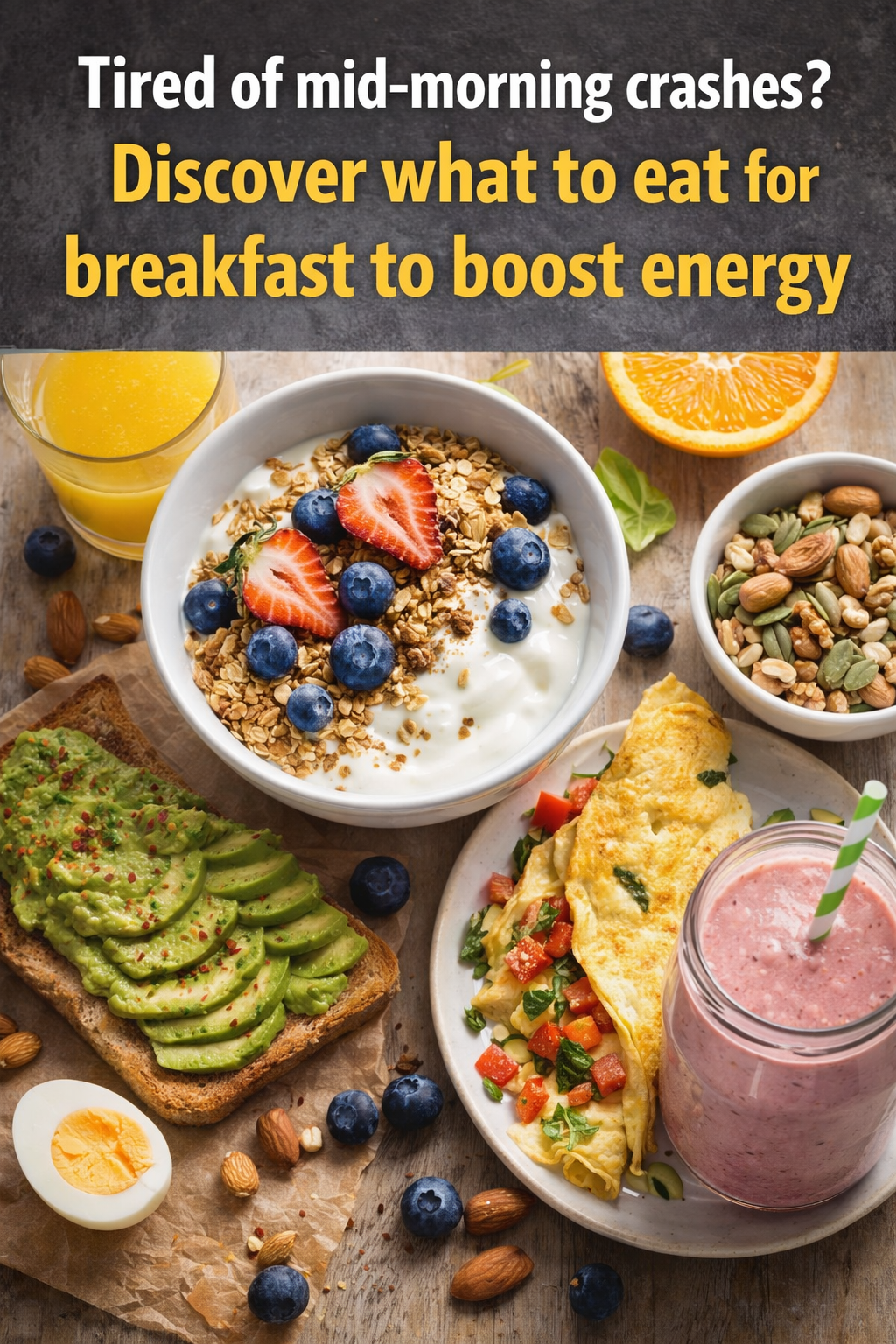
Tired by 10 a.m.? Learn what to eat for breakfast to keep energy steady, 12 easy ideas, a 7-day plan, what to avoid, and when tiredness needs a doctor.
By FitHealthyMind.com Editorial Team | Reading time: about 17 minutes| Written for readers in the USA and UK
Disclosure: This article contains links to our own digital products. We may earn money if you buy. It is general education and not medical advice.
You eat breakfast, or you skip it, and by 10:30 a.m. you feel heavy, foggy and desperate for coffee and a snack. Mid-morning crashes are common, and what you eat first thing can make them better or worse.
This guide explains what to eat for breakfast to keep your energy steadier through the morning. You will learn why crashes happen, what a balanced breakfast looks like, 12 easy ideas (including quick, budget, vegan and make-ahead options), an honest review of popular breakfasts and drinks, a 7-day plan, and when tiredness needs a doctor. It is written for readers in the USA and UK.
Quick answer: For steadier morning energy, build breakfast around protein, fiber-rich carbohydrates and a little healthy fat, for example eggs on wholegrain toast with fruit, or oats (porridge) with Greek yogurt, berries and nuts. Limit sugary cereals, pastries and sweet drinks eaten on their own, drink water, and get enough sleep. If you are tired all the time despite good habits, see a doctor.
Table of Contents
- Why Mid-Morning Crashes Happen
- The Energy-Friendly Breakfast Formula
- 12 Easy Breakfast Ideas for Steady Energy
- Common Breakfasts Reviewed: What Works and What Does Not
- Quick, Budget and Make-Ahead Options
- Coffee, Tea and Energy Drinks
- Do You Have to Eat Breakfast?
- Other Habits That Protect Your Morning Energy
- Your 7-Day Energy Breakfast Plan
- Find What Works for You: Track Your Energy
- When Tiredness Needs a Doctor
- Common Breakfast Mistakes
- Frequently Asked Questions
- Final Thoughts
Why Mid-Morning Crashes Happen
There is rarely one cause. Several things can combine.
1. Fast-Digesting Carbohydrates on Their Own
Foods such as sugary cereal, white toast with jam, pastries and sweet drinks are digested quickly. For many people, blood sugar rises quickly and then falls, which can leave you hungry, shaky or tired a couple of hours later. The effect varies from person to person.
2. Too Little Protein and Fiber
Protein and fiber slow digestion and help you feel full for longer. Breakfasts low in both are often less satisfying.
3. Skipping Breakfast and Going Too Long Without Food
Some people feel fine without breakfast. Others notice headaches, irritability or low energy until they eat. Habits and body clocks differ.
4. Not Enough Sleep
Poor or short sleep is one of the most common causes of daytime tiredness and cravings, no matter what you eat.
5. Caffeine Timing and Amount
Coffee can improve alertness, but too much or too late can disturb sleep and lead to jitters and a crash afterward. Coffee on an empty stomach upsets some people.
6. Dehydration
Even mild dehydration can cause tiredness and headaches. Many people wake up slightly dehydrated.
7. Stress and Busy Mornings
Rushing, stress and eating on the go can lead to poor choices and less enjoyable meals.
8. Medical Causes
Persistent fatigue can be linked to conditions such as anemia, low vitamin B12 or iron, an underactive thyroid, sleep apnea, diabetes or prediabetes, depression, and medicine side effects. If tiredness is severe or lasts for weeks, see a doctor instead of relying on food alone. See the section on when tiredness needs a doctor.
The Energy-Friendly Breakfast Formula
There is no single perfect breakfast, but this simple formula works for most people.
Eat Healthy Without Overspending!
Plan 7 days of affordable meals, organize your grocery list, track pantry items and stay within your weekly food budget.
Get Your Smart Budget Nutrition Planner →
Instant Digital Download • Works Offline • No Subscription
Protein + Fiber-Rich Carbs + Healthy Fat + Color
| Building block | Why it helps | Examples |
|---|---|---|
| Protein | Helps you feel full and satisfied. Many dietitians suggest aiming for roughly 20 to 30 grams at breakfast for fullness, though needs vary. | Eggs, Greek yogurt, skyr, cottage cheese, tofu, tempeh, beans, nuts and seeds, milk or soy milk, lean meats or fish |
| Fiber-rich carbohydrates | Provide energy and are digested more slowly than refined carbs. | Oats (porridge), wholegrain or wholemeal bread, whole-grain cereal without added sugar, fruit, beans, potatoes |
| Healthy fat | Adds satisfaction and slows digestion. | Nuts, seeds, nut butter, avocado, olive oil, oily fish, yogurt |
| Fruit or vegetables | Add fiber, vitamins and volume. | Berries, banana, apple, tomatoes, spinach, peppers, mushrooms |
| Fluids | Help with hydration. | Water, tea, coffee in moderation, milk or fortified plant milk |
Fiber Targets
US dietary guidance suggests roughly 25 to 38 grams of fiber a day depending on age and sex, and UK guidance recommends 30 grams a day for adults. Most people in both countries eat less than this. Breakfast is an easy place to add fiber.
A Simple Plate Check
Before you eat, ask: Is there protein? Is there fiber? Is there some healthy fat? Is there fruit or veg? If you can say yes to three or four, you are in a good place.
12 Easy Breakfast Ideas for Steady Energy
These ideas use everyday ingredients. Adjust to your tastes, culture, allergies, budget and any dietary advice you have received.
1. Oats (Porridge) With Greek Yogurt, Berries and Nuts
Cook rolled oats with milk or water. Top with Greek yogurt, berries and a spoon of chopped nuts or seeds. The oats give fiber, and the yogurt and nuts add protein and fat.
2. Eggs on Wholegrain Toast With Tomato or Spinach
Scrambled, poached or boiled eggs on wholegrain (wholemeal) toast with tomatoes or spinach. Add avocado for extra healthy fat.
3. Veggie Omelet (Omelette)
Whisk 2 to 3 eggs and cook with mushrooms, peppers, spinach and a little cheese. Serve with a slice of wholegrain toast or fruit.
4. Overnight Oats
Mix 1/2 cup (45 g) rolled oats with 1/2 cup (120 ml) milk or plant milk, 1/4 cup (60 g) yogurt, a teaspoon of chia seeds, and fruit. Chill overnight. Grab-and-go on busy mornings.
5. Cottage Cheese or Skyr Bowl
Top cottage cheese or skyr with sliced fruit, a few nuts and cinnamon. High in protein and ready in two minutes.
6. Peanut Butter Banana Toast
Spread nut butter (check for allergies) on wholegrain toast and add banana slices and a sprinkle of seeds.
7. Smashed Avocado Toast With an Egg or Beans
Mash avocado on wholegrain toast, add a boiled or poached egg or a spoon of white beans, and a squeeze of lemon.
8. Tofu Scramble (Vegan)
Crumble firm tofu into a pan with turmeric, garlic powder, spinach and tomatoes. Serve with wholegrain toast. A protein-rich vegan option.
9. Chia Pudding
Mix 3 tablespoons chia seeds with 1 cup (240 ml) milk or plant milk, a little vanilla and sweetener if you like. Chill overnight and top with fruit and nuts.
10. Breakfast Burrito or Wrap
Scrambled eggs or black beans, salsa, cheese or avocado, and spinach in a wholegrain wrap. Make a batch ahead and freeze.
11. Protein Smoothie With Fiber
Blend milk or soy milk, Greek yogurt or tofu, a banana or berries, a handful of spinach, a spoon of oats and a spoon of nut butter. This is more filling than a fruit-only smoothie.
12. Savory Porridge or Rice Bowl
Cook oats or leftover rice with stock, top with a soft egg, vegetables and a little chili or soy sauce. Popular in many cuisines and a nice change from sweet.
Tip: If you do not feel hungry in the morning, start small: a yogurt with fruit, a boiled egg and an apple, or a few nuts with a banana.
Common Breakfasts Reviewed: What Works and What Does Not
Here is an honest look at popular breakfasts and drinks. Ratings describe how well each tends to support steady fullness and energy in general, not a guarantee for any one person.
| Breakfast | What is good | What to watch | Verdict |
|---|---|---|---|
| Oats or porridge (plain, with toppings) | Fiber and slow-release carbs; very flexible | Flavored instant packets can be high in sugar; add protein | Great |
| Eggs with wholegrain toast | Protein, healthy fat and fiber | Cooking method and portion; check with your doctor if you have been told to limit eggs | Great |
| Greek yogurt or skyr with fruit and nuts | High protein, calcium, quick | Flavored yogurts can be high in sugar | Great |
| Cottage cheese bowl | High protein and easy | Can be salty | Good |
| Wholegrain toast with nut butter or avocado | Fiber, healthy fat | Add protein such as an egg or yogurt for fullness | Good |
| Tofu scramble or beans on toast | Plant protein and fiber | Check salt and sugar in canned beans (choose lower-salt, lower-sugar) | Good |
| Homemade smoothie with protein and fiber | Convenient, easy to add vegetables | Can be high in sugar if mostly fruit juice or fruit; UK guidance says a smoothie counts as at most one of your 5 A DAY | Good if balanced |
| Fruit alone | Vitamins, fiber, hydration | Often low in protein, so may not keep you full | OK; pair with protein |
| Sugary cereal with milk | Quick and familiar | Often high in sugar and low in fiber and protein | Not ideal |
| Pastries, donuts, muffins, croissants | Tasty treat | Refined carbs, often high in sugar and fat; may leave you hungry soon | Occasional treat |
| White toast with jam | Quick | Mostly fast-digesting carbs | Not ideal alone |
| Flavored coffee drinks and sweet lattes | Tasty | Often high in sugar and calories | Occasional treat |
| Fruit juice | Vitamin C, convenient | Little fiber; sugars absorb quickly. Health bodies suggest limiting juice. | Limit |
| Protein bars | Portable | Many are high in sugar, additives or calories; read labels | Check the label |
| Meal replacement shakes | Convenient | Can be expensive and highly processed; not for everyone | Occasional use; check the label |
| Energy drinks and energy shots | Quick caffeine hit | High caffeine and often sugar; risk of jitters, poor sleep and a crash; not recommended for children | Avoid as a routine |
| Coffee only | Alertness | Can upset your stomach; no nutrients; may add to jitters | Better with food |
If you are curious about a specific product, such as a protein powder, meal shake or supplement, look for a short ingredient list, clear nutrition information, third-party testing and a clear refund policy, and be wary of claims such as “instant energy” or “melts fat”.
Quick, Budget and Make-Ahead Options
Five-Minute Breakfasts
- Greek yogurt with fruit and nuts
- Peanut butter banana toast
- Cottage cheese with berries
- A boiled egg, an apple and a handful of almonds
- Instant oats made with milk, topped with seeds and fruit
Budget-Friendly Breakfasts
- Rolled oats (the cheapest, most flexible option)
- Eggs
- Bananas, seasonal and frozen fruit
- Beans on wholegrain toast
- Plain yogurt (add your own fruit)
- Peanut butter
Make-Ahead Breakfasts
- Overnight oats (3 to 4 days in the fridge)
- Egg muffins: whisk 8 eggs with vegetables and cheese, bake in a muffin tin at 375°F (190°C) for about 18 to 20 minutes, refrigerate or freeze
- Breakfast burritos: wrap and freeze individually
- Chia pudding jars
- Baked oatmeal: bake a tray of oats, milk, fruit and eggs, then slice into portions
For food safety, cool cooked food quickly, refrigerate it promptly, and follow your national guidance on leftovers (UK guidance generally advises eating leftovers within 2 days; US guidance generally allows 3 to 4 days). Reheat until steaming hot.
Coffee, Tea and Energy Drinks
Coffee and Tea
Caffeine can improve alertness for many people, and moderate amounts are fine for most adults. US guidance suggests up to about 400 mg of caffeine a day is not generally associated with negative effects for most healthy adults (roughly four cups of regular coffee), and pregnant women are usually advised to keep to 200 mg a day or less. Individual sensitivity varies.
Tips:
- Have coffee with or after food if it upsets your stomach
- Avoid caffeine in the afternoon if it affects your sleep
- Watch the sugar and syrups in flavored drinks
- Drink water too, since caffeine is not a substitute for hydration or sleep
- If you want to cut back, reduce gradually to avoid headaches
Energy Drinks and Shots
These often contain high levels of caffeine and sugar. They can cause jitters, a racing heart, trouble sleeping and a crash. They are not recommended for children and teenagers, pregnant people, or people with heart conditions. If you rely on them to get through the morning, it may be a sign that sleep, food or health needs attention.
Do You Have to Eat Breakfast?
Not necessarily. Research on whether breakfast is essential is mixed, and what works depends on you.
- If you feel good without breakfast, you do not have to force it, as long as your overall eating pattern is balanced and you get enough nutrients across the day.
- If you feel shaky, headachy or low until you eat, a small, balanced breakfast may help.
- Children, teenagers, pregnant people, people with diabetes or on certain medicines, and people with a history of disordered eating should not skip meals without medical advice.
- Intermittent fasting suits some people, but not everyone. Talk to a healthcare professional before trying it if you have a medical condition or take medication.
The key is to listen to your body and look at the whole day, not just one meal.
Other Habits That Protect Your Morning Energy
Food is only one piece. These habits matter just as much.
1. Sleep Enough
Most adults need around 7 or more hours. Keep regular sleep and wake times, get morning daylight, and limit screens and caffeine late in the day.
2. Drink Water Early
Have a glass of water when you wake up and keep a bottle nearby.
3. Move in the Morning
A 10-minute walk or short stretching routine can increase alertness. Some people find that a short walk after breakfast helps steady energy.
4. Get Morning Light
Daylight helps set your body clock.
5. Manage Stress
Slow breathing, a calm start and a bit of planning the night before make mornings easier.
6. Space Out Your Meals
Eat regular meals with protein and fiber, and plan a sensible mid-morning snack if you need one (for example, yogurt and fruit or an apple with nuts).
7. Limit Alcohol
Alcohol can disturb sleep and leave you tired the next day.
8. Prepare the Night Before
Set out ingredients, make overnight oats or prep a breakfast box so mornings are easy.
Your 7-Day Energy Breakfast Plan
Use this as inspiration and adjust it to your needs.
| Day | Breakfast | Add-on |
|---|---|---|
| Monday | Overnight oats with berries and chia | Glass of water |
| Tuesday | Eggs on wholegrain toast with tomatoes | Piece of fruit |
| Wednesday | Greek yogurt or skyr with nuts and sliced banana | Tea or coffee after food |
| Thursday | Veggie omelet with toast | Handful of berries |
| Friday | Peanut butter banana toast | Glass of milk or soy milk |
| Saturday | Savory porridge with egg or breakfast burrito | Short walk |
| Sunday | Tofu scramble or beans on toast with avocado | Meal prep for next week |
Pro tip: Prepare two or three breakfasts on Sunday so busy mornings are easy.
Find What Works for You: Track Your Energy
Everyone responds differently. The best way to learn which breakfasts keep you steady is to notice and track what you eat and how you feel at 10 a.m. and 2 p.m.
What to record for 1 to 2 weeks:
- What you ate for breakfast
- Energy level at mid-morning (1 to 10)
- Sleep the night before
- Caffeine and water
- Hunger and mood
Change one thing at a time, such as adding protein or swapping sugary cereal for oats, and compare.
If you want a ready-made tool, the 90-Day Fitness & Wellness Habit Tracker Dashboard may help. According to the product page, it includes:
- A daily check-in for water, sleep, mood, energy and notes
- A 90-day habit grid with weekly completion percentages
- A workout log with a weekly minutes chart
- A body tracker with weight and waist charts (metric or imperial)
- Streaks, averages, a heatmap, achievement badges, custom habits and adjustable targets
- Backup, restore and print options
It is a one-time digital download priced at $19, with no subscription.
Good to know: The dashboard is an HTML file that saves entries privately in your browser on the device you use, so use the backup button regularly. The product page states that all sales are final. It is a self-tracking tool, not medical advice, and it is not a food diary with nutrition analysis.
See the 90-Day Habit Tracker Dashboard →
Prefer to start free? A notebook with three columns (what I ate, energy at 10 a.m., sleep) works well too.
When Tiredness Needs a Doctor
Food and habits help many people, but ongoing fatigue should not be ignored. See a doctor if you have:
- Tiredness that lasts for weeks or is getting worse
- Extreme fatigue even after good sleep
- Loud snoring, gasping at night or daytime sleepiness (possible sleep apnea)
- Unexplained weight loss or gain
- Constant thirst, frequent urination or blurred vision (possible blood sugar problems)
- Pale skin, shortness of breath, dizziness or palpitations (possible anemia or heart issues)
- Feeling cold, dry skin, hair loss or constipation (possible thyroid issues)
- Low mood, anxiety or loss of interest in things you usually enjoy
- Shakiness, sweating and confusion when you have not eaten, especially if you take diabetes medicine
- Heavy periods or a restrictive diet that may be low in iron or vitamin B12
Seek emergency care for chest pain, severe shortness of breath, fainting, confusion or sudden severe symptoms.
A doctor can arrange tests, such as a blood count, thyroid function, blood sugar and vitamin levels, and advise on treatment. Do not start high-dose supplements such as iron without a test and medical advice.
Common Breakfast Mistakes
Only Having Sugary or Refined Carbs
A breakfast of mostly sugar or white flour can leave many people hungry again quickly. Add protein and fiber.
Relying on Coffee Instead of Food or Sleep
Coffee is a tool, not a replacement for rest and nutrition.
Drinking Your Breakfast With No Protein or Fiber
Fruit-only juices and smoothies may not keep you full.
Skipping Breakfast and Overeating Later
If skipping leads to extreme hunger and overeating, a small balanced breakfast may help.
Believing “Healthy” Labels
Granola, flavored yogurt, cereal bars and “protein” products can be high in sugar. Read labels.
Eating Too Late or Too Little Overall
Not eating enough during the day can cause fatigue. Make sure you eat enough overall.
Ignoring Hydration
Have water with breakfast.
Expecting Food to Fix Everything
Sleep, stress, activity and health conditions play a big part.
Frequently Asked Questions
What is the best breakfast for energy?
A balanced breakfast with protein, fiber-rich carbohydrates and some healthy fat is a good choice, for example oats with Greek yogurt and berries, or eggs on wholegrain toast with fruit. The best breakfast for you is one you enjoy and that keeps you full.
Why do I feel tired after breakfast?
A meal heavy in refined carbohydrates and sugar can lead to a quick rise and fall in blood sugar for some people. Poor sleep, large portions and medical conditions can also play a role. If tiredness after meals is strong or frequent, see a doctor.
What should I eat to avoid a mid-morning crash?
Include protein and fiber, limit sugary cereals, pastries and sweet drinks eaten alone, drink water, and avoid relying only on coffee.
Is a smoothie a good breakfast for energy?
It can be, if it includes protein (yogurt, tofu, milk or soy milk), fiber (oats, chia, spinach, whole fruit) and not too much sugar. A smoothie of mainly fruit juice may not keep you full.
Are eggs a good breakfast?
For most people, yes. Eggs provide protein and nutrients, and they pair well with wholegrain toast and vegetables. If you have been advised to limit eggs, follow your doctor’s advice.
How much protein should I eat at breakfast?
Many dietitians suggest roughly 20 to 30 grams for fullness, but needs vary. If you have kidney disease or another condition, ask your doctor before increasing protein.
Is oatmeal (porridge) good for energy?
Plain oats are a good source of fiber and are digested slowly. Add protein (yogurt, nuts, seeds) and fruit. Flavored instant packets can contain a lot of sugar.
Is skipping breakfast bad?
Not necessarily. Some people feel fine without it. If you feel unwell or overeat later, a small balanced breakfast may help. Some groups should not skip meals without medical advice.
Are energy drinks a good idea for energy?
Not as a routine. They often contain a lot of caffeine and sugar and can cause jitters, poor sleep and a crash. They are not recommended for children or pregnant people.
How much caffeine is too much?
US guidance suggests up to about 400 mg a day for most healthy adults, and about 200 mg or less during pregnancy. Sensitivity varies, so reduce it if you feel jittery or sleep badly.
What is a good quick breakfast for busy mornings?
Greek yogurt with fruit and nuts, peanut butter banana toast, overnight oats, a boiled egg with fruit, or a breakfast burrito you made ahead.
What are good vegan breakfasts for energy?
Tofu scramble, oats with soy milk and nuts, chia pudding, peanut butter toast with banana, or beans on wholegrain toast. Check that plant milks and yogurts are fortified if you rely on them.
Do I need supplements for energy?
Most people do not need supplements if they eat a varied diet, but some, such as people with a diagnosed deficiency, do. Test and treat deficiencies with a doctor rather than guessing. Be careful with products promising “instant energy”.
Can breakfast help with weight loss?
A balanced breakfast can help some people feel full and manage hunger, but no meal causes weight loss on its own. Overall eating, activity, sleep and health matter.
How long should I wait to see if a breakfast works?
Try a new breakfast for about a week and note your energy and hunger. Change one thing at a time.
Can the 90-Day Habit Tracker help me find my best breakfast?
According to the product page, it includes a daily check-in for sleep, water, mood and energy, so you can compare how you feel on different days. It does not analyze food, and it is not medical advice.
When should I see a doctor about tiredness?
See a doctor if tiredness lasts for weeks, is severe, or comes with other symptoms such as breathlessness, weight changes, constant thirst or low mood. Seek emergency care for chest pain, fainting or severe symptoms.
Final Thoughts
Mid-morning crashes are common, and breakfast is one of the easiest places to make a difference. Aim for protein, fiber, a little healthy fat and some fruit or vegetables, drink water, sleep well, and keep caffeine in check. Then pay attention to how you feel, because the best breakfast is the one that works for your body and your life.
Start tomorrow with one small change: add protein to your usual breakfast, or swap a sugary option for oats or eggs. Notice how you feel at 10 a.m.
Want to see which breakfasts and habits really give you steady energy? Check out the 90-Day Fitness & Wellness Habit Tracker Dashboard, or explore more simple guides on FitHealthyMind.com.
Disclaimer: This article is for general educational purposes only and is not medical advice. It does not diagnose, treat, cure or prevent any condition. Individual needs vary. Talk to a doctor, pharmacist or registered dietitian before changing your diet, especially if you have diabetes or prediabetes, a medical condition, food allergies, a history of disordered eating, or take medication, or if you are pregnant or breastfeeding. If you have ongoing tiredness or worrying symptoms, see a healthcare professional. Nutrition guidance and food safety rules differ between countries, so follow advice from your national health authority. The 90-Day Habit Tracker Dashboard is a self-tracking tool and does not provide medical advice or nutrition analysis. This article contains links to our own products; see the disclosure at the top.
1 thought on “Best Breakfast for Energy: What to Eat to Avoid a Mid-Morning Crash (12 Easy Ideas)”