
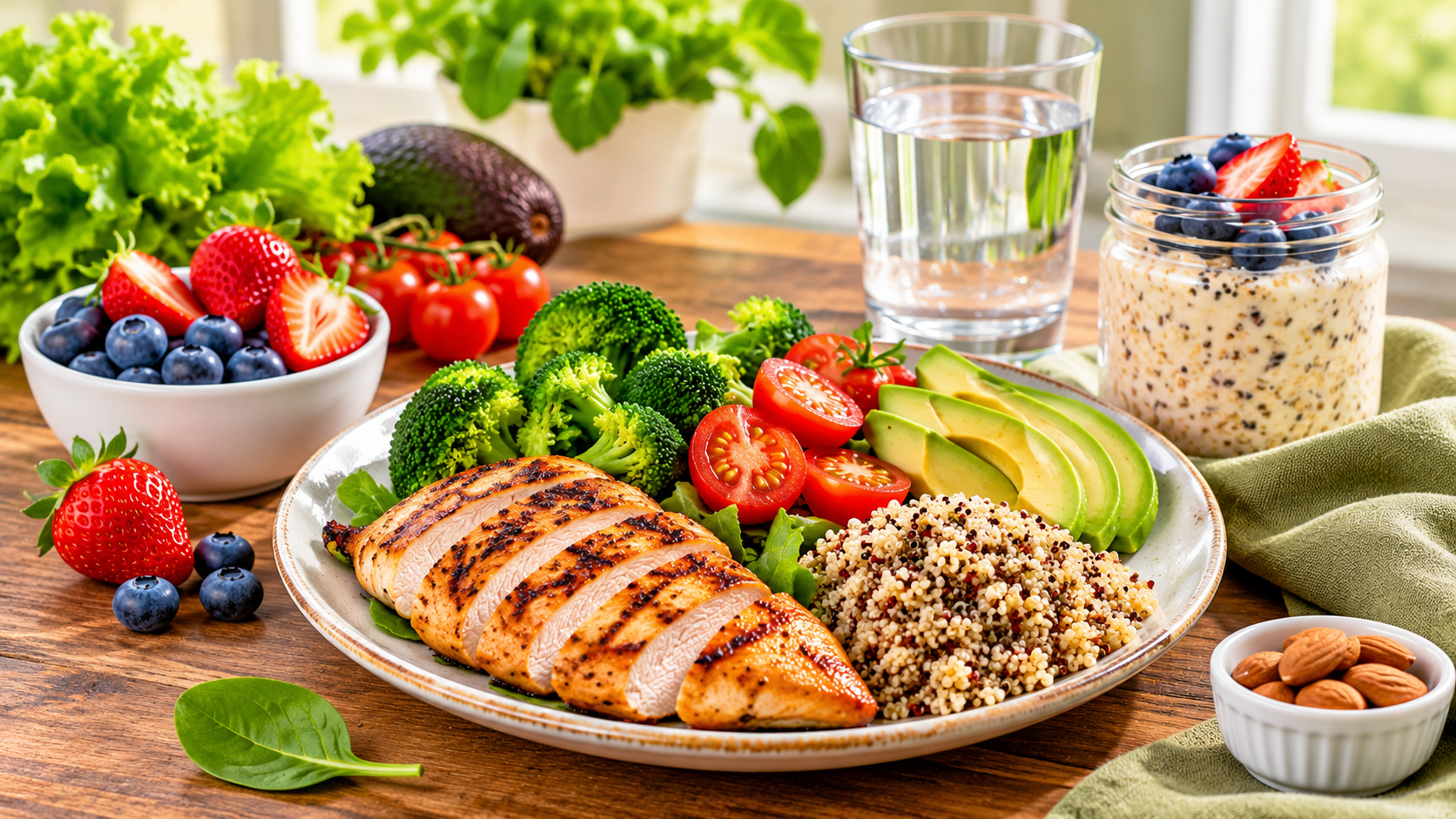
A realistic 21-day healthy weight loss diet plan: what to eat, a day-by-day meal plan, habits, safe pace, who should not diet, and when to see a doctor.
By FitHealthyMind.com Editorial Team | Reading time: about 19 minutes | Written for readers in the USA and UK
Disclosure: This article contains links to our own digital products. We may earn money if you buy. It is general education and not medical advice.
You want to lose weight, and you want a plan that is clear, healthy and does not leave you miserable. A 21-day plan is a popular place to start, because three weeks is short enough to feel doable and long enough to build real habits.
Here is the honest truth first. Three weeks will not transform your body, and no healthy plan can promise a specific number on the scale. What a good 21-day plan can do is help you build the eating, movement, sleep and tracking habits that support steady, sustainable weight loss afterward.
This guide gives you a realistic 21-day healthy weight loss diet plan: how it works, what to eat, a day-by-day meal plan, simple activity goals, an honest review of popular diets and quick fixes, who should not follow a weight-loss plan, and what to do after day 21. It is written for readers in the USA and UK.
Quick answer: A healthy 21-day weight loss plan means eating mostly whole foods with enough protein and fiber, creating a modest calorie gap (not crash dieting), moving more, sleeping well, drinking water, tracking your habits, and aiming for slow, steady loss of about 0.5 to 1 kg (1 to 2 pounds) a week. It is not suitable for everyone, so check with a doctor if you have a health condition, take medicine or are unsure.
Eating Healthy on a Budget Doesn’t Have to Be Difficult!
Love this 21-day meal plan but need help organizing your grocery budget? Make meal planning easier with the Smart Budget Nutrition Planner.
✨ Plan Smarter. Shop Better. Waste Less.
✅ Generate affordable breakfast, lunch and dinner ideas
✅ Create a personalized grocery shopping list
✅ Set and track your weekly food budget
✅ Organize pantry items and reduce food waste
✅ Explore 35 affordable recipes
✅ Plan up to 4 weeks of meals
Ready to make your next grocery trip easier?
$19
🛒 GET YOUR SMART BUDGET PLANNER →
Digital product only. No physical item will be shipped. Food costs and nutrition values are estimates. General planning tool, not medical advice.
Table of Contents
- Before You Start: Is This Plan Right for You?
- Realistic Expectations: What Can 21 Days Do?
- How Healthy Weight Loss Works
- The 21-Day Plan at a Glance
- What to Eat: A Simple Plate Formula
- Week 1: Reset Your Basics (Days 1 to 7)
- Week 2: Build Momentum (Days 8 to 14)
- Week 3: Lock In Your Habits (Days 15 to 21)
- Your 21-Day Meal Plan
- Smart Snacks and Drinks
- Move More: A Simple Activity Plan
- Popular Diets and Quick Fixes Reviewed
- Shopping List (USA and UK Terms)
- Track Your Progress the Smart Way
- What to Do If Weight Loss Stalls
- What Happens After Day 21?
- Common Mistakes to Avoid
- When to See a Doctor
- Frequently Asked Questions
- Final Thoughts
Before You Start: Is This Plan Right for You?
This plan is a general educational guide for healthy adults. Do not follow a weight-loss plan, or check with a doctor first, if you:
- Are under 18 (talk to a pediatrician or GP, and focus on healthy habits rather than weight loss)
- Are pregnant, breastfeeding or trying to conceive
- Have a history of an eating disorder or disordered eating, or if counting, weighing or restricting food makes you anxious
- Have diabetes or prediabetes and take insulin or other medicines that can cause low blood sugar
- Have heart, kidney or liver disease, high blood pressure, gallbladder problems or another long-term condition
- Take regular medication (weight loss can change the dose you need)
- Are underweight or already at a healthy weight
- Are older and at risk of losing muscle or bone
- Feel unwell, have unexplained weight changes or are recovering from illness or surgery
If you are unsure, a doctor, dietitian or practice nurse can check your health, suggest a safe goal, and tell you whether a plan like this is suitable.
Important: If thoughts about food, weight or your body are taking over your life, or you restrict, binge, purge or over-exercise, please talk to a healthcare professional. In the USA you can contact the National Alliance for Eating Disorders helpline, and in the UK Beat offers free support. Please check their websites for current phone numbers and hours.
Realistic Expectations: What Can 21 Days Do?
- Safe pace: Health organizations generally describe about 0.5 to 1 kg (1 to 2 pounds) per week as a safe, sustainable rate for people who need to lose weight. Over 3 weeks, that could be roughly 1.5 to 3 kg (3 to 6 pounds), but results vary a lot and are not guaranteed.
- Early drops are often water. In the first week, scale changes can reflect water and glycogen, not only fat.
- The scale is only one measure. Waist size, strength, energy, sleep and how clothes fit matter too.
- Habits matter more than the number. The real goal of 21 days is to build routines you can keep for months.
- Not everyone needs to lose weight. Weight is not the only measure of health, and BMI has limitations. A doctor can help you decide what is right for you.
How Healthy Weight Loss Works
Energy Balance in Plain Language
Your body uses energy (calories) every day. When you regularly take in a little less energy than you use, your body draws on stored fat over time. National guidance suggests a modest gap, not extreme cuts. UK guidance (NHS) mentions about 600 calories a day below your needs for steady loss, and US guidance mentions about 500. Needs vary by age, sex, size and activity, so use these only as rough guides. You can estimate your needs with a calculator such as our Calorie Calculator, but treat the number as an estimate, not a rule.
Why Extreme Diets Backfire
Very low calorie diets can cause muscle loss, tiredness, nutrient shortfalls, hair loss, gallstones and rebound weight gain. They are hard to maintain and are not recommended without medical supervision.
The Four Pillars of This Plan
- Food quality: mostly whole foods with protein and fiber
- Portions: a modest calorie gap, without starving
- Movement: more daily activity and some strength training
- Recovery: sleep, stress care and hydration
The 21-Day Plan at a Glance
| Week | Focus | Key habits |
|---|---|---|
| Week 1 (Days 1 to 7) | Reset your basics | Protein and veg at every meal, water, 10-minute walks, regular meal times, remove obvious trigger foods from sight |
| Week 2 (Days 8 to 14) | Build momentum | Portion awareness, 2 strength sessions, plan meals and snacks, cut back on sugary drinks and alcohol |
| Week 3 (Days 15 to 21) | Lock in habits | 30-minute activity most days, batch prep, handle cravings and eating out, plan for after day 21 |
What to Eat: A Simple Plate Formula
You do not need to weigh every gram. Use this plate method for lunch and dinner:
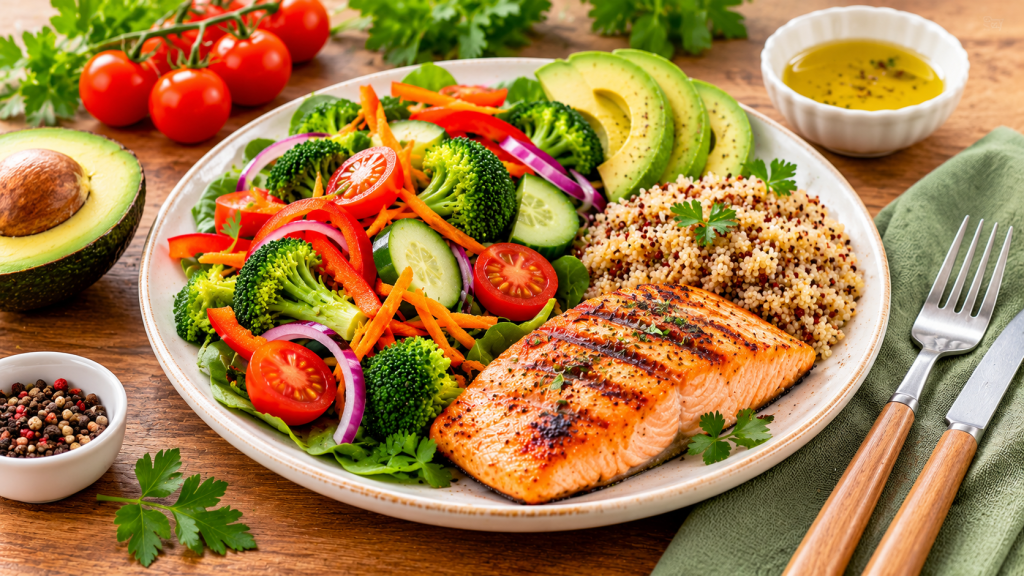
- Half your plate: vegetables (leafy greens, broccoli, peppers, tomatoes, courgette (zucchini), carrots, cauliflower)
- A quarter: lean protein (chicken, turkey, fish, eggs, tofu, tempeh, beans, lentils, Greek yogurt, cottage cheese)
- A quarter: fiber-rich carbohydrates (brown rice, quinoa, oats, wholegrain bread or wholemeal bread, potatoes with skin, wholegrain pasta, sweet potato)
- A thumb of healthy fat: olive oil, avocado, nuts or seeds
- Fruit: 2 to 3 portions a day, such as berries, apples, oranges and bananas
For breakfast, aim for protein plus fiber, for example eggs on wholegrain toast, or oats (porridge) with Greek yogurt and berries.
Foods to Limit (Not Ban)
- Sugary drinks, fruit juice and sweet coffee drinks
- Pastries, sweets, biscuits (cookies) and cakes
- Fried and fast foods
- Large portions of white bread, white rice or pasta alone
- Alcohol and processed meats
One planned treat per week is part of a sustainable plan, not a failure.
Week 1: Reset Your Basics (Days 1 to 7)
Goals: build a simple routine and learn where your calories come from.

- Day 1: Weigh yourself and measure your waist (optional, and skip if it triggers anxiety). Take stock of your fridge and pantry. Move sugary drinks and snack foods out of easy reach.
- Daily: Eat 3 regular meals. Put protein and vegetables on your plate at lunch and dinner. Drink water with each meal and keep a bottle nearby.
- Daily: Walk for 10 to 20 minutes, ideally after your largest meal.
- Sleep: Aim for 7 or more hours, with a regular bedtime.
- Day 4: Plan next week’s meals and write a shopping list.
- Day 7: Review. What was easy? What was hard? Adjust.
Week 2: Build Momentum (Days 8 to 14)
Goals: tighten your habits and add strength work.
- Keep Week 1 habits.
- Portions: Use your hand as a guide: a palm of protein, a fist of carbs, a thumb of fat, and as many non-starchy vegetables as you like.
- Strength: Do 2 short sessions (20 to 30 minutes): squats, wall or incline push-ups, glute bridges, rows with a band or bag, planks.
- Drinks: Replace sugary drinks with water, sparkling water or unsweetened tea. Limit alcohol.
- Snacks: Plan 1 or 2 protein-rich snacks so you are not starving at meals.
- Day 14: Review progress with measurements, energy and mood, not only the scale.
Week 3: Lock In Your Habits (Days 15 to 21)
Goals: make the routine automatic and plan for the future.
- Keep earlier habits.
- Activity: Aim for 30 minutes of movement most days (brisk walking, cycling, swimming, dancing) plus 2 to 3 strength sessions.
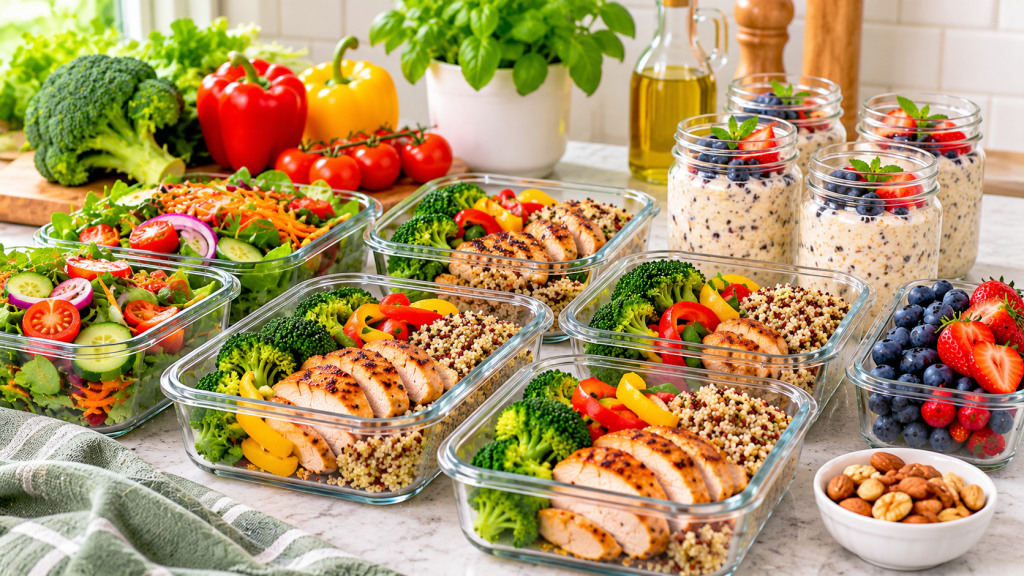
- Batch prep: Cook a big pot of soup, a tray of roasted vegetables, a grain and a protein on one day.
- Eating out: Choose grilled or baked options, ask for dressing on the side, share dessert, and eat slowly.
- Cravings: Wait 10 minutes, drink water, have a protein snack, or go for a short walk.
- Day 21: Review everything. Decide which habits to keep, and set a gentle goal for the next 4 weeks.
Your 21-Day Meal Plan
This is a flexible template, not a strict diet. Portions depend on your size, activity and needs, so listen to your hunger and fullness cues, and adjust with a professional if needed. Swap meals you dislike for similar ones.
Week 1 Meals
| Day | Breakfast | Lunch | Dinner |
|---|---|---|---|
| 1 | Oats (porridge) with Greek yogurt and berries | Chicken and vegetable salad with olive oil dressing | Baked salmon, roasted broccoli, small baked potato |
| 2 | Eggs on wholegrain toast with tomato | Lentil soup with side salad | Turkey stir-fry with mixed vegetables and brown rice |
| 3 | Greek yogurt, banana and chia seeds | Tuna and bean salad in a wholegrain wrap | Veggie chili with a spoon of rice |
| 4 | Overnight oats with apple and cinnamon | Leftover chili with salad | Grilled chicken, roasted courgette (zucchini) and quinoa |
| 5 | Veggie omelette with a slice of toast | Hummus, veggie and chicken (or chickpea) wrap | Baked cod, green beans and sweet potato |
| 6 | Cottage cheese with berries and nuts | Quinoa bowl with roasted vegetables and egg | Tofu and vegetable curry with a small portion of rice |
| 7 | Scrambled eggs, spinach and wholegrain toast | Big salad with chickpeas, feta and olive oil | Lean beef or bean burger, side salad, small portion of potatoes |
Week 2 Meals
| Day | Breakfast | Lunch | Dinner |
|---|---|---|---|
| 8 | Oats with peanut butter and banana | Chicken, avocado and veggie bowl | Baked salmon, asparagus and quinoa |
| 9 | Greek yogurt with berries and flaxseed | Minestrone soup and a slice of wholegrain bread | Stir-fried prawns (shrimp) with vegetables and noodles |
| 10 | Eggs, tomato and mushroom on toast | Bean and vegetable salad | Chicken fajita bowl with peppers, beans and salsa |
| 11 | Smoothie with milk, spinach, berries, oats and yogurt | Turkey and hummus wrap with salad | Veggie lasagne made with wholegrain pasta and a side salad |
| 12 | Overnight oats with berries | Egg and vegetable fried rice (use brown rice) | Grilled fish, roasted carrots and green salad |
| 13 | Cottage cheese and pineapple with seeds | Lentil and vegetable stew | Chicken and vegetable skewers, tabbouleh |
| 14 | Veggie omelette with fruit | Salmon salad | Chickpea and spinach curry with a small portion of rice |
Week 3 Meals
| Day | Breakfast | Lunch | Dinner |
|---|---|---|---|
| 15 | Oats with Greek yogurt and apple | Chicken and quinoa salad | Baked white fish, roasted peppers and sweet potato |
| 16 | Eggs and avocado on toast | Black bean and corn salad | Turkey meatballs with tomato sauce and courgette (zucchini) noodles |
| 17 | Greek yogurt with berries and nuts | Tuna salad sandwich on wholegrain bread with side salad | Tofu stir-fry with brown rice |
| 18 | Overnight oats with chia | Vegetable and lentil soup | Grilled chicken, roasted cauliflower and a small baked potato |
| 19 | Scrambled eggs with spinach and tomato | Chicken Caesar-style salad (light dressing) | Salmon, broccoli and quinoa |
| 20 | Cottage cheese with fruit and seeds | Hummus and vegetable plate with wholegrain pitta | Bean and vegetable chili with a spoon of rice |
| 21 | Oats with berries and nuts | Big rainbow salad with egg or chickpeas | A meal you enjoy (a balanced treat) with a walk afterward |
Vegetarian and vegan swaps: replace meat and fish with tofu, tempeh, beans, lentils or eggs (if vegetarian), use soy yogurt or fortified plant milk, and add nuts and seeds. Vegans need a reliable vitamin B12 source. Adjust for allergies and medical needs, and ask a registered dietitian for a personal plan if you have a condition such as diabetes or kidney disease.
Smart Snacks and Drinks
Snack Ideas (1 to 2 a Day, If Needed)
- Apple or pear with a spoon of nut butter
- Greek yogurt or skyr with berries
- Hard-boiled egg and a piece of fruit
- Carrots, cucumber or peppers with hummus
- A small handful of unsalted nuts
- Edamame, air-popped popcorn or cottage cheese with tomatoes
Drinks
- Water is the best default. Flavor with lemon, mint or cucumber.
- Tea and coffee are fine in moderation (watch sugar and syrups). Keep caffeine to about 400 mg a day or less for most adults, and about 200 mg or less if pregnant.
- Sparkling water and unsweetened herbal teas are good swaps for soda.
- Limit fruit juice, soft drinks and alcohol. They add calories without much fullness.
Move More: A Simple Activity Plan
Health organizations generally recommend at least 150 minutes of moderate activity per week for adults, plus muscle-strengthening on 2 or more days. For weight loss, many people need more, but build up gradually.
| Week | Walking and cardio | Strength |
|---|---|---|
| 1 | 10 to 20 minutes most days | Optional gentle stretching |
| 2 | 20 to 30 minutes, 4 to 5 days | 2 sessions of 20 to 30 minutes |
| 3 | 30 minutes, 5 days | 2 to 3 sessions of 30 minutes |
Simple Home Strength Routine (2 to 3 Rounds)
- 10 to 12 squats (or sit-to-stands from a chair)
- 8 to 10 wall or incline push-ups
- 10 to 12 glute bridges
- 10 reverse lunges (use a wall for balance)
- 20 to 30 second plank (or knee plank)
Walk after meals when you can. If you have a health condition, joint problems or have been inactive, ask your doctor before starting.
Popular Diets and Quick Fixes Reviewed
Here is an honest look at what people often try. Ratings describe how well each approach tends to work as a safe, sustainable way to lose weight, based on general evidence. They are not guarantees.
| Approach | What research suggests | Cautions | Our verdict |
|---|---|---|---|
| Mediterranean-style eating | Linked with good heart health and sustainable weight management | Portions still matter | Strong choice |
| Balanced calorie-controlled plate (like this plan) | Well supported when sustained | Needs consistency | Strong choice |
| Low-carb diets | Can help some people in the short term; long-term results similar to other diets | Hard to keep; check with a doctor if you take diabetes medicine | OK if suited to you |
| Keto | Quick early loss, partly water; hard for many to sustain | Side effects, not suitable for some people, needs medical advice if you have a condition | Use caution |
| Intermittent fasting | Similar to regular calorie reduction for many people | Not suitable for pregnancy, diabetes medicines, eating disorder history or some conditions | Optional; ask your doctor |
| Juice cleanses and detox diets | No good evidence of lasting loss; low protein and fiber, tiredness, rebound eating | Can be unsafe | Avoid |
| Very low-calorie diets (crash diets) | Fast loss is possible, but a higher risk of muscle loss, gallstones and rebound gain | Only under medical supervision | Avoid unsupervised |
| Meal replacement shakes | Can help some people in structured programs | Quality and cost vary, not a long-term solution on their own | Occasional; read labels |
| Weight-loss supplements and “fat burners” | Evidence is weak for most, and some contain stimulants or undeclared drugs | Possible serious side effects and drug interactions | Avoid; ask your doctor |
| Prescription weight-loss medicines | Can be effective for some people, alongside diet and activity | Need medical assessment, have side effects, not for everyone | Ask your doctor if relevant |
| Skipping meals | Often leads to overeating later | Can worsen fatigue and mood | Not recommended |
Rule of thumb: If a plan promises fast, easy, effortless or “no exercise” results, or asks you to buy special products, be careful. The approaches with the best long-term evidence are boring but effective: whole foods, sensible portions, regular movement, good sleep and patience.
Shopping List (USA and UK Terms)
- Protein: eggs, chicken breast, turkey, salmon, white fish, tuna, prawns (shrimp), Greek yogurt or skyr, cottage cheese, tofu, tempeh, lentils, chickpeas, beans, edamame
- Vegetables: spinach, rocket (arugula), salad leaves, broccoli, cauliflower, peppers, tomatoes, courgette (zucchini), carrots, cucumber, mushrooms, green beans, onions, garlic, frozen mixed vegetables
- Fruit: berries, apples, bananas, oranges, pears, pineapple, frozen berries
- Carbohydrates: rolled oats (porridge oats), brown rice, quinoa, wholegrain (wholemeal) bread and wraps, wholegrain pasta, potatoes, sweet potatoes
- Healthy fats: olive oil, avocado, unsalted nuts, seeds (chia, flax, pumpkin), nut butter
- Pantry and flavor: lemons, herbs, spices, mustard, vinegar, low-sodium stock, canned tomatoes (chopped tomatoes), hummus, salsa
- Drinks: sparkling water, herbal teas, green or black tea, coffee
Save money: use frozen vegetables and fruit, canned beans and fish, store brands (own-brand), and plan meals to avoid waste.
Track Your Progress the Smart Way
What gets tracked gets noticed. But the scale alone can mislead you, because daily weight changes with water, salt and hormones. Track a mix of things:
- Habits: meals, water, steps, workouts, sleep
- Energy and mood: a daily 1 to 10 rating
- Measurements: waist (every 2 to 4 weeks, same place), and weight weekly (same day and time) if the scale does not stress you
- Strength and how clothes fit
If you have a history of disordered eating, or tracking makes you anxious, skip weighing and calorie counting and focus on habits and how you feel.
If you want a ready-made tool, the 90-Day Fitness & Wellness Habit Tracker Dashboard may help. According to the product page, it includes:
- A daily check-in for water, sleep, mood, energy and notes
- A 90-day habit grid with weekly completion percentages
- A workout log with a weekly minutes chart
- A body tracker with weight and waist charts (metric or imperial)
- Streaks, averages, a heatmap, 16 achievement badges, custom habits and adjustable targets
- Backup, restore and print options
It is a one-time digital download priced at $19, with no subscription, and it covers more than the 21 days of this plan.
Good to know: The dashboard is an HTML file that saves entries privately in your browser on the device you use, so use the backup button regularly. The product page states that all sales are final. It is a self-tracking tool, not a diet plan or medical advice.
See the 90-Day Habit Tracker Dashboard →
Prefer to start free? A notebook with columns for meals, water, steps, sleep and energy works well too.
What to Do If Weight Loss Stalls
Plateaus are normal. Before you cut food further, check these:
- Time: Three weeks is short. Weight changes are not a straight line.
- Portion creep: Measure a few foods for a week to check oils, nuts, rice and snacks.
- Liquid calories: Coffee drinks, juice, alcohol and smoothies add up.
- Weekend habits: A very different weekend can cancel out weekday progress.
- Sleep and stress: Both can affect hunger and weight.
- Protein and fiber: Make sure meals keep you full.
- Activity: Add short walks or another strength session, gradually.
- Muscle gain: If you are strength training, your waist may shrink even if the scale does not move.
- Medical factors: Thyroid conditions, PCOS, menopause and some medicines can affect weight. Ask your doctor if progress is unexpectedly slow.
Avoid slashing calories, skipping meals or adding extreme exercise. That usually backfires.
What Happens After Day 21?
Day 21 is a checkpoint, not a finish line.
- Review: What worked? What did you enjoy? Keep those habits.
- Set a gentle next goal, such as another 4 weeks, with a weekly check-in.
- Keep the basics: protein and vegetables at meals, regular movement, good sleep, water.
- Add flexibility: allow planned treats and social meals without guilt.
- Get support: a friend, a group, a dietitian or your doctor.
- Think long term: many people regain weight after quick diets. Slow, steady habit change is more likely to last.
If you have a lot of weight to lose or a health condition, ask your healthcare team about additional support, including structured programs and medical options.
Common Mistakes to Avoid
- Cutting calories too low: it can cause fatigue, muscle loss and rebound eating.
- Cutting out whole food groups without a reason: hard to keep up and can lead to nutrient gaps.
- Relying on “detox” products or fat burners: not a shortcut and can be unsafe.
- Weighing yourself daily and panicking: weight fluctuates, so look at weekly trends and other measures.
- Doing only cardio: add strength training to protect muscle.
- Ignoring sleep and stress: they play a big part in hunger and cravings.
- All-or-nothing thinking: one off-plan meal does not ruin your progress.
- Using exercise to “punish” eating: this can create an unhealthy relationship with food and activity.
When to See a Doctor
Talk to a doctor or registered dietitian before starting, or stop and seek advice, if you:
- Have a medical condition or take regular medication
- Feel dizzy, faint, very weak or unusually tired
- Have chest pain, a racing heart or shortness of breath
- Lose weight too fast (more than about 1 kg or 2 pounds a week for several weeks)
- Notice hair loss, missed periods, constant cold or digestive problems
- Feel preoccupied with food, weight or exercise, or are restricting, bingeing or purging
- Feel low, anxious or hopeless
- Have a lot of weight to lose and want medical options
Seek emergency care for chest pain, severe breathlessness, fainting or confusion.
Frequently Asked Questions
Can I lose weight in 21 days?
Many people lose some weight in 21 days if they follow a plan, but the amount varies, and a safe pace is about 0.5 to 1 kg (1 to 2 pounds) a week. Part of early loss can be water. No plan can guarantee a specific amount.
How much weight can I lose in 3 weeks safely?
At a safe pace, roughly 1.5 to 3 kg (3 to 6 pounds), but results vary. Losing much faster is not recommended without medical supervision.
What is the best diet to lose weight?
The best diet is one you can follow safely over time. Mediterranean-style, balanced calorie-controlled eating with plenty of vegetables, protein and fiber has the strongest support.
How many calories should I eat to lose weight?
It depends on your age, sex, size and activity. A modest reduction from your estimated needs (about 300 to 600 calories a day) is a common starting point. Use a calculator as a guide, ask a professional for personal advice, and do not go too low.
Do I have to count calories?
No. Many people succeed using the plate method and portion awareness. If counting makes you anxious or has caused problems in the past, avoid it.
Is intermittent fasting better for weight loss?
Research suggests it works about as well as regular calorie reduction for many people, and it suits some, but not everyone. Talk to a doctor first if you have a medical condition or take medicine.
Can I exercise while on this plan?
Yes, and it helps. Start gently and build up. Strength training protects muscle, and walking is a simple, effective habit.
How do I stop cravings?
Eat enough protein and fiber, sleep well, drink water, plan snacks, keep trigger foods out of sight, and wait 10 minutes before acting on a craving. Allow occasional planned treats.
What if I eat out or travel?
Choose grilled or baked dishes, vegetables and protein, ask for dressings on the side, share desserts and eat slowly. One meal will not undo your progress.
Is this plan suitable for vegetarians or vegans?
Yes, with swaps such as tofu, tempeh, beans, lentils and fortified plant milk. Vegans need a reliable vitamin B12 source.
Do I need supplements?
Most healthy adults do not need weight-loss supplements, and many are ineffective or risky. If you think you may have a deficiency, ask your doctor to test rather than guessing.
Why am I not losing weight?
Common reasons include portion creep, liquid calories, poor sleep, stress, a short time frame and medical factors. Review the stall section above, and see a doctor if you are concerned.
Can the 90-Day Habit Tracker help me lose weight?
It can help you stay consistent by tracking habits, water, sleep, workouts and body measurements. It does not cause weight loss by itself and is not medical advice.
Are weight-loss medicines an option?
Some prescription medicines are available for people who meet medical criteria, and doctors prescribe them alongside lifestyle changes. They are not for everyone, so ask your doctor.
Final Thoughts
A healthy weight loss plan that actually works is rarely dramatic. It is built on regular meals with protein and vegetables, sensible portions, daily movement, enough sleep, patience and kindness to yourself. Twenty-one days is enough to start building those habits, and enough to learn what works for you.
Today, pick one action: plan tomorrow’s breakfast, take a 10-minute walk, or write your shopping list. Then repeat it. If you have a health condition, or if food and weight feel stressful, talk to a professional before you begin.
Want to track your habits, workouts and measurements in one place? Check out the 90-Day Fitness & Wellness Habit Tracker Dashboard, or explore more simple guides on FitHealthyMind.com.
Disclaimer: This article is for general educational purposes only and is not medical advice. It does not diagnose, treat, cure or prevent any condition. Results vary, and no weight-loss outcome is guaranteed. Talk to a doctor, pharmacist or registered dietitian before starting a weight-loss plan, especially if you have a medical condition, take medication, are pregnant or breastfeeding, are under 18, are older, or have a history of an eating disorder. Do not follow very low-calorie diets without medical supervision. If you feel unwell, stop and seek advice. If you are struggling with food, weight or body image, please contact a healthcare professional or an eating disorder support service in your country. Guidance differs between countries, so follow advice from your national health authority. The 90-Day Habit Tracker Dashboard is a self-tracking tool and does not provide medical advice or a diet plan. This article contains links to our own products; see the disclosure at the top.