
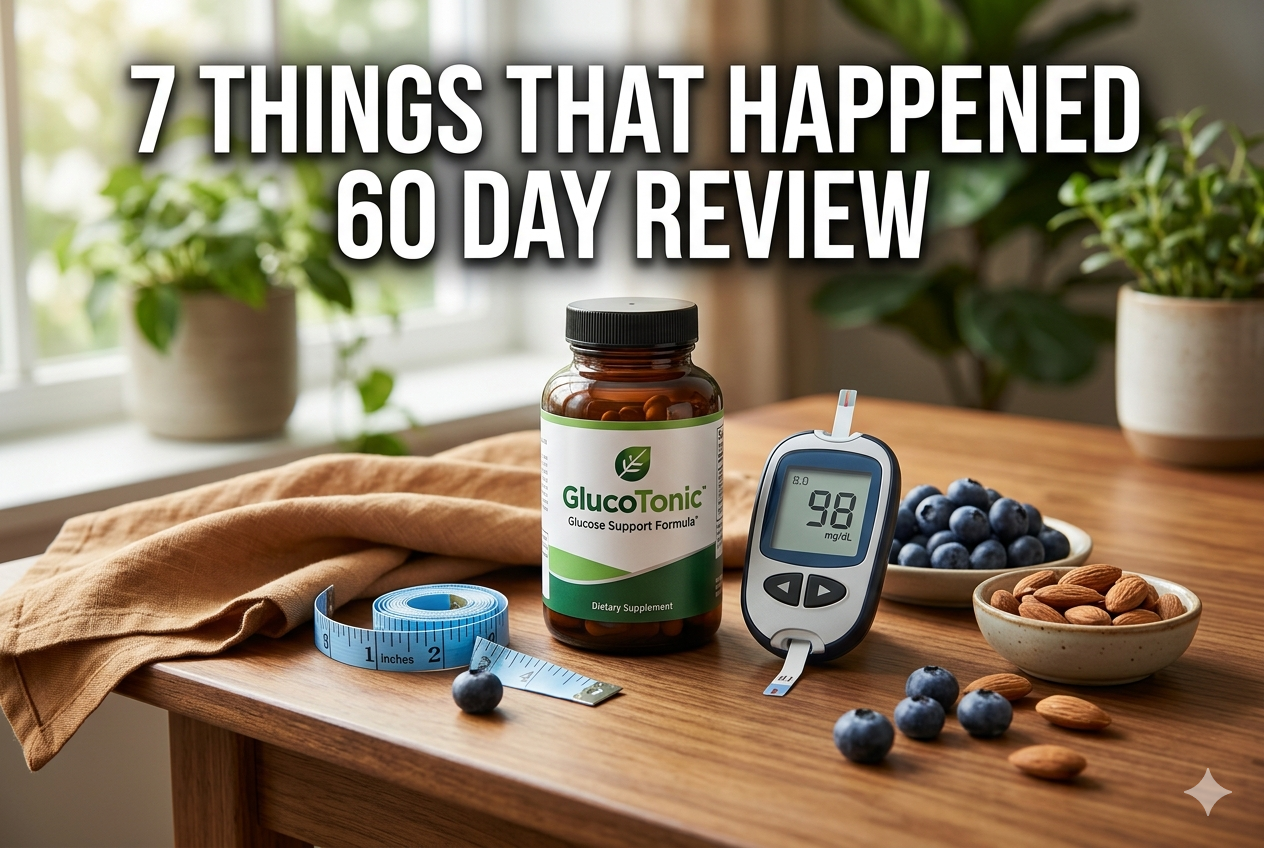
GlucoTonic review for USA and UK readers: what it claims, what evidence says about blood sugar supplements, price and refund confusion, safety and better options.
By FitHealthyMind.com Editorial Team | Reading time: about 17 minutes | Written for readers in the USA and UK
Affiliate disclosure: FitHealthyMind.com may earn a commission if you buy through links in this article, at no extra cost to you. This does not change our assessment. We have not personally tested this product, and nothing here is medical advice.
If you worry about your blood sugar, you are not alone. Millions of adults in the USA and UK live with diabetes or prediabetes, and many more are told to “watch their sugar.” Tiredness after meals, strong cravings and a family history of diabetes can all make a bottle labeled “natural blood sugar support” sound like a simple answer.
But blood sugar is a serious health topic, and the market for supplements aimed at it is full of exaggerated claims. This guide takes a calm, careful look at GlucoTonic: what it is said to be, why the information online is unreliable, what the research says about blood sugar supplements, what to check on the label, safety and drug interaction risks, how to spot scam-style ads, and what actually helps. It is written for readers in the USA and UK.
Quick answer: GlucoTonic is a liquid-drop dietary supplement marketed for “healthy blood sugar support”, energy and weight management. We could not verify its full formula, company details, price or refund record from an official source, and we found no independent evidence that the finished product works. Supplements cannot replace diabetes medicine or medical care, and some blood sugar ingredients can interact with medication. If you try one, speak to your doctor first, read the full label, confirm refund terms before paying, and never stop prescribed treatment.
Table of Contents
- What Is GlucoTonic?
- Why the Information Online Is Unreliable
- Blood Sugar Basics: What You Should Know
- Common Ingredients in Blood Sugar Supplements: What the Evidence Says
- What to Check on the GlucoTonic Label
- Price, Guarantee and Where to Buy
- Red Flags in Blood Sugar Supplement Ads
- Side Effects, Safety and Medicine Interactions
- Who Must Talk to a Doctor First
- When Symptoms Need Medical Care
- What Actually Helps Blood Sugar (Better-Proven Habits)
- Track Your Habits and Progress
- Pros and Cons
- Our Verdict
- Frequently Asked Questions
- Final Thoughts
What Is GlucoTonic?
GlucoTonic is sold as a dietary supplement “to support healthy blood sugar levels”, boost energy and help with weight management. Pages describing it say it is a liquid tincture taken as drops from an amber glass dropper bottle (sizes of 30 ml and 60 ml are mentioned), usually once or twice a day. Marketing pages describe a blend of plant extracts and minerals, and some name ingredients such as gymnema sylvestre and chromium, but lists are not consistent.
As with other supplements:
- In the USA, dietary supplements are not approved by the FDA before they are sold and are not intended to diagnose, treat, cure, or prevent any disease, including diabetes.
- In the UK, supplements are regulated as foods, and health claims have to follow strict rules.
- It is said to be sold through an official website only, which makes it important to avoid look-alike sites.
Why the Information Online Is Unreliable
Researching GlucoTonic, we noticed a pattern that is common with this kind of product:
- Dozens of copy-pasted “reviews” in PDFs, forum posts, press releases and unrelated websites, all pointing to the same buy link
- Invented-looking proof, such as “4.7 out of 5”, “FDA-registered and GMP certified”, “Clinical Research Team, MD” or “Medical Advisory Board” with no named doctors or study
- Conflicting facts. Prices from about $39 to $69 per bottle, 30 ml versus 60 ml bottles, and guarantees of 30, 60 or 90 days
- Unclear company details. It is hard to find a verifiable company name, address and phone number
- Complaints. Independent scam-alert sites list products with this name and style among supplements advertised with misleading claims, with reports of slow refunds and difficulty reaching support. We cannot confirm every report, and not every buyer has these problems, but you should check recent independent reviews yourself
- Name confusion. “GlucoTonic”, “Gluco Tonic Drops”, “Gluco Control”, “GlucoCure” and “GlucoTrust” are different names. Reviews and complaints about one may not apply to another
What this means for you: Do not rely on any third-party page, including this one, for the exact formula, price or refund terms. Check the official page directly, and save screenshots of the terms before you pay.
Blood Sugar Basics: What You Should Know
Your body turns carbohydrates into glucose, which your blood carries to your cells for energy. The hormone insulin helps move glucose from the blood into your cells. In type 2 diabetes and prediabetes, the body does not respond to insulin as well (insulin resistance), and blood sugar can stay higher than it should. In type 1 diabetes, the body makes little or no insulin and needs insulin treatment.
Key points:
- Only blood tests can tell you where you stand. Doctors use tests such as HbA1c and fasting glucose. You cannot reliably tell from how you feel.
- Many people have no symptoms in the early stages.
- Diabetes is serious but manageable, with the right treatment, lifestyle changes and monitoring.
- Low blood sugar (hypoglycemia) is dangerous too. It can happen when diabetes medicines are combined with anything that lowers blood sugar further.
Common Ingredients in Blood Sugar Supplements: What the Evidence Says
Supplements in this category often use similar ingredients. Here is an honest summary. Because the GlucoTonic formula is not verified, this is general information about the ingredient types, not proof about the product.
| Ingredient | What research suggests | Cautions |
|---|---|---|
| Gymnema sylvestre | Some small studies suggest it may lower blood sugar modestly, but studies are limited and mixed. | Can add to the effect of diabetes medicines and increase the risk of low blood sugar. |
| Chromium | Studies are mixed. Benefit is unclear in people who are not deficient. | Medical groups generally do not recommend it for blood sugar control. High doses can cause side effects. |
| Cinnamon | Mixed results in studies; effects, if any, appear small. | Cassia cinnamon contains coumarin, which can affect the liver in large amounts. |
| Berberine | Some studies show effects on blood sugar, but quality and safety data are limited. | Can cause stomach upset and interact with medicines; not safe in pregnancy. |
| Bitter melon | Limited and low-quality evidence. | May lower blood sugar further with medicines; not for pregnancy. |
| Alpha-lipoic acid | Studied mainly for diabetic nerve symptoms, with mixed results. | Can lower blood sugar in people on medicines. |
| Banaba, fenugreek, ginseng, and others | Small studies, mixed results. | Interactions and side effects vary. |
| Magnesium, zinc, vitamin D | Helpful if you are deficient; evidence for lowering blood sugar in everyone is limited. | Too much can cause side effects. |
What Do Guidelines Say?
Major diabetes organizations, such as the American Diabetes Association and Diabetes UK, say that there is not enough good evidence to recommend routine use of herbal or micronutrient supplements for controlling blood sugar. They emphasize medical care, healthy eating, activity and, where needed, medicines. The ingredients above are not approved treatments, and studies of single ingredients do not prove that a mixed liquid product works.
What to Check on the GlucoTonic Label
Use this checklist on the official product page and on the bottle.
| What to check | Why it matters |
|---|---|
| Full ingredient list with amounts per serving | Hidden doses in a “proprietary blend” make it impossible to compare with research. |
| Herbs known to lower blood sugar | These can cause low blood sugar if you take diabetes medicines. |
| Bottle size, dose and directions | Pages mention 30 ml and 60 ml, drops once or twice a day. Follow the label, not a review page. |
| Alcohol, sweeteners and other base ingredients in the liquid | Relevant for people who avoid alcohol, children, and people watching sugar. |
| Allergens | Check for any plants or ingredients you react to. |
| Company name, address, phone and email | A real, traceable company is a basic requirement. |
| Third-party testing or certificate of analysis | Helps check purity and contamination. |
| Claims on the label | Be suspicious of “reverses diabetes”, “cures” or “replaces medication”. |
| Refund and shipping terms | Confirm in writing before paying. |
If you cannot find a complete label and a verifiable company, that is a reason not to buy.
Price, Guarantee and Where to Buy
Price
We could not verify the current price. Pages list very different prices, from about $39 to about $69 per bottle, with bundles and “bonuses”. Check the official page, work out the cost per month, and look at shipping and any auto-ship or subscription terms.
Guarantee and Refunds
Pages describe 30-day, 60-day and 90-day guarantees. Before you pay, confirm:
- The exact number of days and when the clock starts
- Whether you must return the bottle, and who pays for return shipping
- How to reach support (phone, email, address) and how long refunds take
- Whether a subscription renews automatically
Save screenshots of the terms and your receipt. If a refund is refused, you can ask your card provider about a dispute, and you can report problems to consumer protection bodies (in the USA, the FTC and your state attorney general; in the UK, Citizens Advice and Trading Standards).
Where to Buy
The product is described as sold only through its official website. Make sure the product name and website match exactly, since similar names and copycat sites exist. If you are in the UK, check that the seller ships to you and whether VAT or import duty applies.
Check the current offer and terms on the official site →
Check Pineal Guardian X Official Website →
This post may contain affiliate links. I may earn a commission at no extra cost to you.
Red Flags in Blood Sugar Supplement Ads
Ads and landing pages for blood sugar drops often use tactics regulators and consumer groups warn about. Be careful if you see:
- Fake celebrity or news endorsements, such as a famous person or news channel “recommending” a diabetes drop
- “Secret cure that doctors hide” or “Big Pharma does not want you to know” stories
- “Reverse diabetes in days”, “stop your insulin” or “stop your medication” claims. This is dangerous, and you should never do it without your doctor
- A long “video presentation” with an emotional story before you see the product
- Fake countdown timers and “only a few bottles left”
- Fake doctor names and “FDA-registered” or “clinically proven” badges with no study, name or lab
- Testimonials with stock photos
- Refund policies that are hard to find or hard to use
- No clear company or contact details
A real supplement company is open about who it is, what is in the product, and how to reach it.
Side Effects, Safety and Medicine Interactions
We could not verify the full ingredient list, so we cannot give a definitive list of side effects. In general, blood sugar supplements can cause:
- Stomach upset, nausea, gas or diarrhea
- Headache or dizziness
- Low blood sugar, with shakiness, sweating, confusion, fast heartbeat and hunger, especially if combined with diabetes medicines such as insulin or sulfonylureas
- Allergic reactions
- Possible liver or kidney effects with some herbal ingredients
Never add a blood-sugar-lowering supplement to diabetes medicine without talking to your doctor or pharmacist. Never stop or reduce prescribed treatment because of a supplement. Report suspected side effects in the USA to the FDA’s MedWatch program, and in the UK through the MHRA Yellow Card scheme.
Who Must Talk to a Doctor First
Speak with a doctor, pharmacist or diabetes nurse before using any blood sugar supplement if you:
- Have diabetes or prediabetes, or a family history of diabetes
- Take insulin or any diabetes medicine
- Take blood pressure medicines, blood thinners or other regular medicines
- Have kidney, liver or heart disease
- Are pregnant, breastfeeding or trying to conceive (including gestational diabetes)
- Are planning surgery (herbs that affect blood sugar can matter)
- Have a history of eating disorders
- Are giving a supplement to a child or teenager
When Symptoms Need Medical Care
See a doctor promptly if you have:
- Increased thirst, frequent urination or constant hunger
- Unexplained tiredness, blurred vision or slow-healing cuts
- Frequent infections, tingling or numbness in hands or feet
- Unexplained weight loss
- Dark patches of skin on the neck or underarms
Seek emergency care immediately for confusion, fainting, fruity-smelling breath, vomiting with high blood sugar, deep rapid breathing, severe drowsiness, or a seizure. If someone with diabetes is unconscious or cannot swallow, call your local emergency number.
If you already have a diabetes diagnosis, follow your care team’s plan, including glucose checks, medicines, eye and foot checks and regular HbA1c tests.
What Actually Helps Blood Sugar (Better-Proven Habits)
These habits have much stronger evidence than most supplements. They are the same ones used in large diabetes prevention programs.
Tired of Feeling Like Sugar Cravings Keep Taking Over?
Want to become more aware of your daily choices? The Sugar Detox Craving Tracker helps you record cravings, notice possible triggers, reflect on eating habits, and track your progress over time.
Get Your Sugar Craving Tracker →
Digital download • Review product features and details before purchasing.
This tracker is a habit-awareness tool, not a treatment for diabetes or a substitute for medical care.
1. Move Your Body
Regular activity helps muscles use glucose and improves insulin sensitivity. Aim for at least 150 minutes of moderate activity a week (for example brisk walking) plus muscle-strengthening on 2 or more days. A short walk after meals can help reduce post-meal blood sugar rises for many people. If you take diabetes medicines, ask your doctor how to exercise safely.
2. Lose Weight If You Need To
In a large US prevention trial, people at high risk who made lifestyle changes, including modest weight loss and regular activity, cut their chance of developing type 2 diabetes by more than half over several years. Even losing 5 to 7 percent of body weight can help. Aim for gradual, sustainable change.
3. Eat More Fiber and Whole Foods
- Choose vegetables, beans, lentils, whole grains, nuts, seeds and fruit
- Include protein at meals, which can help steady blood sugar
- Limit sugary drinks, sweets and refined starches
- Watch portion sizes of rice, bread, pasta and potatoes
- Do not skip meals if you take blood-sugar-lowering medicine
A registered dietitian can help you build a plan that fits your culture, budget and medicines.
4. Prioritize Sleep
Short or poor sleep is linked with higher blood sugar and appetite. Most adults need about 7 or more hours. If you snore loudly or are always tired, ask about sleep apnea.
5. Manage Stress
Stress hormones can raise blood sugar. Try walking, breathing exercises, hobbies, time outdoors or talking to someone you trust.
6. Limit Alcohol and Do Not Smoke
Smoking increases diabetes complications. Alcohol can cause blood sugar swings, especially with medicines.
7. Get Tested and Follow Up
If you are over 35 (or younger with risk factors such as a family history, overweight, or a history of gestational diabetes), ask your doctor about testing. In the UK, ask about an NHS Health Check or the NHS Diabetes Prevention Programme. In the USA, ask about screening and the CDC-recognized National Diabetes Prevention Program.
8. Use Proven Medical Treatment When Needed
People with diabetes may need medicines such as metformin or insulin. These are decided by a doctor. Supplements are not a substitute.
Track Your Habits and Progress
Habits are easier to keep when you can see them. A simple tracker helps you notice patterns in activity, sleep, water and weight, and gives you something concrete to share at medical appointments.
The 90-Day Fitness & Wellness Habit Tracker Dashboard may help. According to the product page, it includes:
- A daily check-in for water, sleep, mood, energy and notes
- A 90-day habit grid with weekly completion percentages
- A workout log with a weekly minutes chart
- A body tracker with weight and waist charts (metric or imperial)
- Streaks, averages, a heatmap, achievement badges, custom habits and adjustable targets
- Backup, restore and print options
It is a one-time digital download priced at $19, with no subscription.
Good to know: This tracker does not measure or record blood glucose readings and is not a medical device. If you have diabetes, keep recording glucose with your meter or app as your care team advises. The dashboard is an HTML file that saves entries privately in your browser, so back up your data regularly. The product page states that all sales are final.
See the 90-Day Habit Tracker Dashboard →
Prefer to start free? A notebook or calendar for daily steps, sleep and meals works too. The best tracker is the one you will actually use.
Pros and Cons
Possible Pros
- Liquid format that may be easier to take than capsules for some people
- Marketed with a money-back guarantee (which must be verified)
- Some of the ingredients named in marketing have been studied in small trials
- May appeal to people who want a “natural” extra on top of medical advice and healthy habits
Possible Cons
- Formula, company details, testing and guarantees could not be verified
- No independent evidence that the finished product works
- Heavy marketing with fake-looking proof and conflicting prices and guarantees
- Risk of low blood sugar and interactions with diabetes and other medicines
- Danger that people may delay care or reduce medication
- Reports in the wider category of refund and support problems
- Name confusion with similar products
- Cost can add up with bundles
Our Verdict
We cannot recommend GlucoTonic on the evidence available. Blood sugar is a serious health area, the product’s formula and company details could not be verified, the claims online are exaggerated and inconsistent, and independent proof that it works is missing. Ingredients named in marketing, such as gymnema sylvestre and chromium, have mixed or limited evidence and can interact with medicines.
If you are still curious, speak to your doctor or pharmacist first, check the full label, confirm the company and refund terms in writing, and never stop or change prescribed treatment. For most people, the best investment is a blood test to know where you stand, followed by walking, strength work, better sleep, fiber-rich eating and, if needed, proper medical care.
See the official page for current ingredients, price and refund terms → (affiliate link; read the verdict above first)
Frequently Asked Questions
What is GlucoTonic?
It is a liquid-drop dietary supplement marketed to support healthy blood sugar, energy and weight management. Details of its formula, bottle size, price and guarantee vary between sources, so check the official page.
Does GlucoTonic work?
We cannot say that it works. We found no independent evidence for the finished product, and ingredients named in marketing have limited or mixed evidence. Results, if any, vary and are not guaranteed.
Is GlucoTonic legit or a scam?
We could not verify the company, and many pages promoting it are low-quality or misleading. Some independent sites warn about misleading ads and refund problems for products with similar names. We cannot confirm every complaint, so check recent independent reviews, verify the seller, test the refund process, and use a payment method with dispute protection.
Can GlucoTonic lower blood sugar?
There is no reliable proof for this product. Some herbal ingredients may lower blood sugar slightly, which is exactly why they can be risky if you take diabetes medicine.
Can GlucoTonic reverse or cure diabetes?
No. No supplement has been proven to cure or reverse diabetes. Claims like this are a major red flag. Type 2 diabetes can sometimes go into remission with significant weight loss under medical supervision, but that is a medical process, not a supplement effect.
Can I take GlucoTonic with metformin or insulin?
Do not combine it with diabetes medicines without asking your doctor or pharmacist. Some ingredients can increase the risk of low blood sugar.
What are the ingredients in GlucoTonic?
Some pages name ingredients such as gymnema sylvestre and chromium, but lists are inconsistent. Check the supplement facts panel on the official page and bottle.
How much does GlucoTonic cost?
Prices on different pages range from about $39 to about $69 per bottle, plus possible shipping. Check the official page and total cost, including any subscription terms.
What is the GlucoTonic refund policy?
Pages describe 30-, 60- and 90-day guarantees. Confirm exact terms in writing before you pay, and keep screenshots and your receipt.
Does GlucoTonic have side effects?
We could not verify the full ingredients. Blood sugar supplements can cause stomach upset, dizziness and, with diabetes medicine, low blood sugar. Ask a doctor or pharmacist before use.
Is GlucoTonic FDA approved?
No. In the USA, the FDA does not approve dietary supplements before sale. Be careful with phrases like “FDA-registered” or “GMP certified”, which do not mean a product is proven to work.
Is GlucoTonic available in the UK?
Some pages say it ships to the UK, but availability, delivery, VAT and returns can change. UK rules on health claims for supplements are strict, so check the seller carefully.
Are GlucoTonic reviews real?
Many online reviews are promotional, repeated across sites, or unverifiable. Look for balanced reviews that mention drawbacks and disclose affiliate links, and check independent platforms.
What is the best natural way to support blood sugar?
Regular activity (including walking after meals), a fiber-rich whole-food diet, healthy weight, good sleep, stress care and not smoking. Ask your doctor about testing and personal advice.
Should I take supplements for prediabetes?
Talk to your doctor first. For prediabetes, lifestyle change (weight loss if needed, activity and diet changes) has the strongest evidence, and some people may be offered medicine such as metformin. Supplements are not proven to replace these.
What should I do if I already bought GlucoTonic and want a refund?
Contact the seller in writing using the details on your order confirmation and keep copies. If you get no response, contact your card provider about a dispute, and report the problem to consumer protection bodies (FTC or your state attorney general in the USA; Citizens Advice or Trading Standards in the UK).
Can the 90-Day Habit Tracker track my blood sugar?
No. According to the product page, it tracks habits, workouts, water, sleep, mood, energy and weight and waist measurements. It does not record glucose readings and is not a medical device.
When should I see a doctor about blood sugar?
See a doctor if you have symptoms such as increased thirst, frequent urination, blurred vision or unexplained tiredness, if you have risk factors, or if you want to be tested. Get emergency care for confusion, fainting, vomiting or fruity-smelling breath.
Final Thoughts
The best GlucoTonic review is not the one that tells you what to buy. It is the one that helps you spot exaggerated claims, protect your health and your money, and focus on what really works. Blood sugar is too important to leave to a bottle with a dramatic ad.
This week, consider three simple steps: book a blood test if you have not had one, take a short walk after your biggest meal, and write down your sleep and activity for seven days. Share what you find with your doctor.
Want to build the habits that really support healthy blood sugar? Check out the 90-Day Fitness & Wellness Habit Tracker Dashboard, or explore more simple guides on FitHealthyMind.com.
Disclaimer: This article is for general educational purposes only and is not medical advice. It does not diagnose, treat, cure, or prevent diabetes or any other condition. Dietary supplements are not approved by the FDA to treat disease. Never stop, change or add to prescribed treatment without talking to your doctor. Always consult a qualified doctor, pharmacist or dietitian before starting a supplement, especially if you have diabetes or prediabetes, take medication, are pregnant or breastfeeding, or have another medical condition. Product details, prices and policies change, so verify everything on the official website. The 90-Day Habit Tracker Dashboard is a self-tracking tool and does not provide medical advice or measure blood glucose. This article contains affiliate links; see the disclosure at the top.